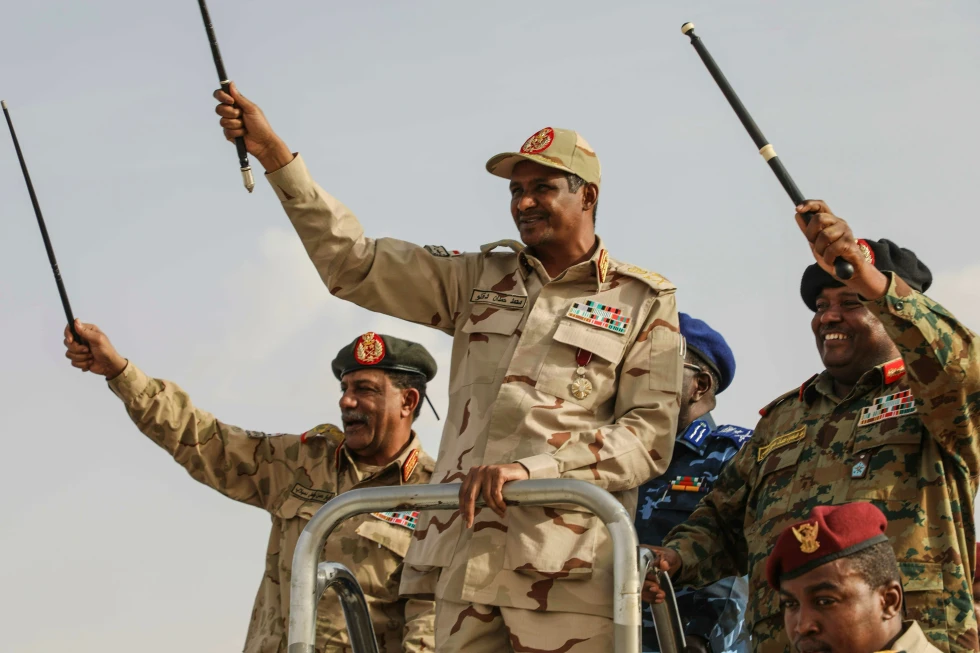
CAIRO
In just over three days, more than 6,000 people were killed when a Sudanese paramilitary group unleashed an assault on a city in Darfur so brutal that the United Nations described it as “shocking in its scale and brutality.”
The Rapid Support Forces’ offensive to capture el-Fasher in late October included widespread atrocities that amount to war crimes and possible crimes against humanity, the U.N. Human Rights Office said in a report released Friday.
“The wanton violations that were perpetrated by the RSF and allied Arab militia in the final offensive on el-Fasher underscore that persistent impunity fuels continued cycles of violence,” said Volker Türk, U.N. High Commissioner for Human Rights.
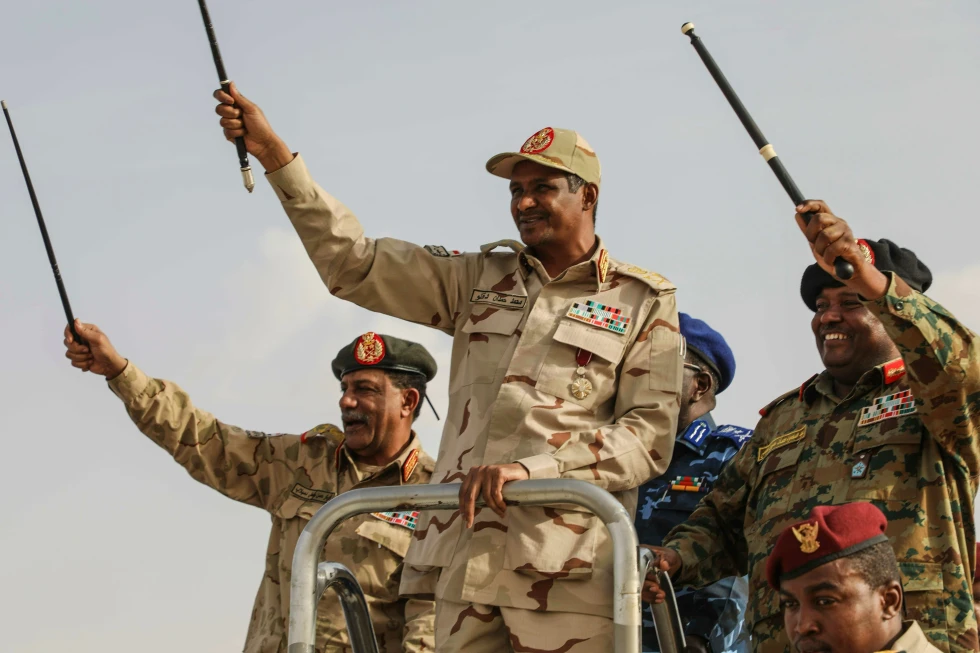
The RSF and their allied Janjaweed militias overran el-Fasher on Oct. 26, seizing the Sudanese army’s last remaining stronghold in Darfur after more than 18 months of siege.
What followed was a rampage through the city and its surroundings—three days of killing that the U.N. says left at least 6,000 dead.
The report adds to mounting evidence of atrocities in Sudan’s ongoing conflict, where cycles of violence have repeatedly drawn accusations of ethnic cleansing and war crimes.
Friday’s findings, investigators say, point not just to the horror of those three days, but to the pattern of impunity that made them possible.
By James Kisoo