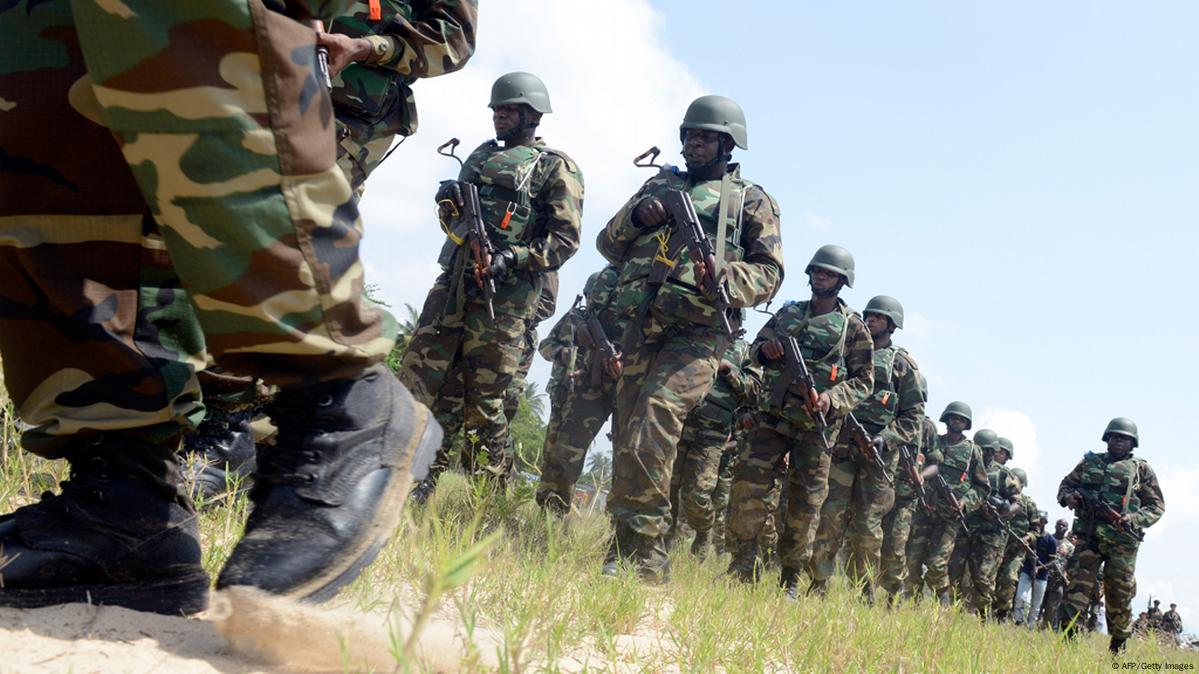
Nigeria’s military has introduced a stringent set of regulations that explicitly prohibit behavior deemed contrary to the ethical standards expected of military personnel.
This directive, articulated in Section 26 of the revised Harmonised Armed Forces Terms and Conditions of Service, was signed into effect by President Bola Tinubu on December 16, 2024.
Among the regulations, officers are banned from engaging in homosexuality, lesbianism, and bestiality, as well as from being part of the LGBTQIA+ community in any capacity. The document explicitly states, “An officer must not engage in homosexuality, lesbianism, or bestiality,” signaling the military’s intent to maintain traditional gender norms and values. The regulation further extends to prohibit activities such as cross-dressing, body piercing, and tattooing, categorizing these as inappropriate behaviors for military personnel.
Beyond personal conduct, the new directives impose strict rules regarding relationships and leisure activities. Officers are prevented from entering into romantic relationships with subordinates or their spouses, a measure intended to maintain discipline and prevent potential conflicts of interest. The document also prohibits any form of disorderly behavior, public drunkenness, or actions that could bring disrepute to the military.
In terms of financial obligations, military personnel are required to ensure timely payment of vehicle licenses and insurance, with failing to meet these obligations classified as a serious offense. Officers are also barred from joining secret societies, political parties, or engaging in private businesses, underscoring a strict separation between military duty and personal interests. “An officer shall not engage in private business,” it states, emphasizing that military resources and positions must not be exploited for personal gain.
Critics of these new regulations argue that they undermine personal freedoms and could lead to increased discrimination against LGBTQIA+ individuals both within and outside the military. Human rights organizations have expressed concerns about the potential stigmatization of members of the armed forces who identify as part of the LGBTQIA+ community, warning that the guidelines could foster an environment of fear and exclusion.
Notably, the document lacks explicit penalties for those who violate these prohibitions, raising questions about how the military will enforce these rules and the potential consequences for personnel. As Nigeria continues to grapple with a complex social landscape, these developments reflect ongoing tensions surrounding gender and sexuality, illustrating the challenges of modernity in the context of traditional values.