By Josphine Kasimu
Persons Living with Disabilities (PWDs) in Kitui County have called on both the national and county governments to improve access to essential services and provide the necessary support to enable them to live dignified, productive lives.
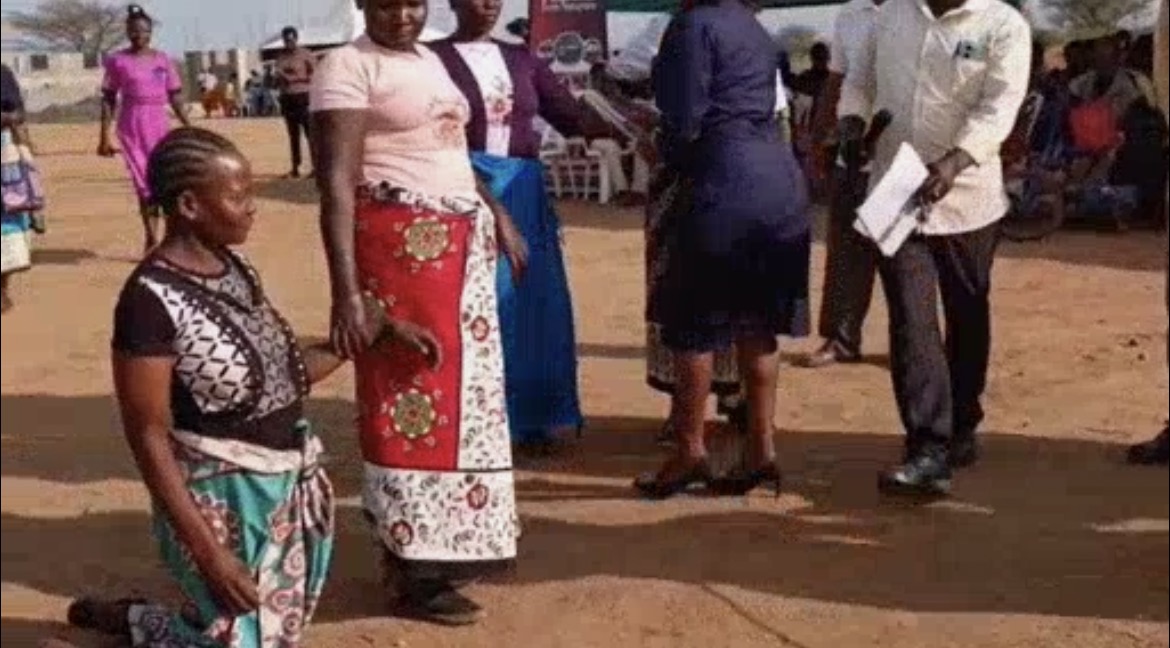
As Kitui joined the rest of the world in marking the International Day for Persons with Disabilities on 3rd December 2025, hundreds of PWDs and their caregivers turned up for county-wide celebrations held in Kitui East. With approximately five per cent of the county’s population living with disabilities, organisers noted that nearly three-quarters of the attendees at the event were PWDs.
The event was officiated by the County Executive Committee Member for Gender, Sports, Youth, ICT, and Social Services, Madam Phoebe Ndunyu Mutemi, alongside other key stakeholders. During the ceremony, PWDs openly shared their challenges, highlighting the daily struggles they face from childhood to old age.
They appealed to the government to incorporate them more effectively into society and ensure that they enjoy equal opportunities and services like any other citizen.
Access to water emerged as one of the most urgent concerns. Many requested that the county government identify households with PWDs and prioritise them when digging and equipping boreholes for domestic and agricultural use.
“We ask the government to consider drilling boreholes near our homes so that water is easily accessible. We also request seeds for planting before the rains to avoid delays during the planting season,” one participant said.
Young people living with disabilities raised concerns about stigma and social exclusion, noting that the attitudes of some community members continue to push them to the margins.
“The biggest challenge we face as youths living with disabilities is stigma and avoidance. Many people ignore us as though we cannot achieve anything. We urge the community to stop this and include us in all daily activities,” one youth stated.
They further encouraged parents and caregivers to take children with disabilities to school, stressing that opportunities exist for educated PWDs in government offices and other sectors. Participants also appealed for the establishment of more specialised schools, saying the current number is too low and inaccessible to many children.
Another concern was economic vulnerability. Several PWDs urged the government to introduce a social support programme similar to that offered to the elderly, noting that many of them are unable to engage in income-generating activities yet still shoulder family responsibilities.
Community Health Promoters (CHPs), who work at the grassroots level to identify and support PWDs, also described the challenges they face. They noted that the high cost of transport and long distances hinder their ability to reach all those in need.
“I spend a lot of money moving from home to home to identify PWDs. We request the government to provide transport to ease our work,” one CHP said.
Meanwhile, national government officials from the office responsible for disability affairs emphasised that certain obligations, such as providing albinism oils, assistive devices and ensuring inclusivity in public offices, remain the mandate of the county government as per the law.
In conclusion, PWDs reiterated that they are equal members of society who should not be treated with pity but supported through proper services and inclusivity.