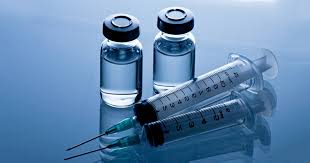
Kenya is set to have its first batch of locally manufactured immunisation vaccines on trial by end of 2027, following the completion of the first phase of enabling works for the manufacturing plant.
According to Dr Charles Githinji, chairman of the board of directors at the Kenya BioVax Institute, the first beneficiaries will be newborn babies, who will receive pneumonia vaccines once production begins.
In an established partnership with the World Bank and the Korean government, the institute is keen to ensure that the Embakasi-based plant is completed on schedule, as efforts continue to fast-track the project.
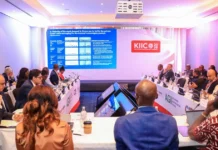
Speaking at a consultation forum with the World Bank, Dr Githinji said the institute was born out of challenges in accessing vaccines during the COVID-19 pandemic, and expressed confidence that the country will deliver its first locally manufactured trial batch by 2027.
“Together with my board and management of Biovax, we have a strategy and a plan by the end of 2027 we shall be able to come here to inaugurate the release of the first batch of vaccines. It’s the first of its kind in Kenya. Not even the private sector is doing vaccine production. So we are setting a stage,” said Dr Githinji.
Dr Wesley Rono, Chief Officer at the Kenya BioVax Institute, said the manufacturing plant is estimated to produce about six million immunisation vaccines monthly, in line with global standards, amounting to 72 million vaccines annually.
“The focus here will be on those vaccines that are critical for our immunisation programs,” said Dr Rono.
He added that the institute is engaging potential partners to help fast-track the project.
Ramesh Govindaraj, Lead Specialist in the Health, Nutrition, and Population Global Practice at the World Bank, noted that the initiative aligns with the African Union Agenda 2063, which aims for Africa to produce 60% of its pharmaceutical needs by 2040.
He highlighted that Ethiopia and Kenya are the first countries on the continent to join the program, which will see 12 countries benefit from USD 1.5 billion toward constructing manufacturing plants.
According to Dr Benard Olayo, Senior Health Specialist at the World Bank, Kenya will benefit from USD 120 million of the USD 1.5 billion.
“This program covers 11 countries already, but Kenya is one of the initial beneficiaries,” said Dr Olayo, describing the amount as a significant contribution toward achieving the country’s vaccine manufacturing goals.