By John Mutiso
The National Treasury is calling on Kenyans and key stakeholders to submit their proposals for tax policy changes as preparations begin for the 2026/2027 national budget.
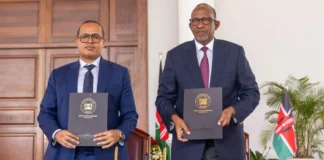
In a public notice, Cabinet Secretary John Mbadi said the move is meant to deepen transparency, accountability, and citizen engagement in major financial decisions.
Referencing Articles 201 and 232 of the Constitution as well as the Public Finance Management Act, the Treasury noted that individuals, county governments, civil society organisations, and the private sector all have both the right and the duty to contribute to national fiscal planning.
“The National Treasury hereby invites the members of the public, the national government, and other stakeholders to make submissions for consideration in the fiscal budget for the Financial Year 2026/2027,” the notice stated.
The ministry is particularly looking for proposed changes to current tax laws to be factored into the Finance Bill 2026.
According to the notice, submissions must align with the government’s Bottom-Up Economic Transformation Agenda (BETA), which prioritises economic recovery, employment creation, and broad-based growth through a value-chain model.
“Each proposal should clearly identify the tax law or provision to be amended, outline the issue being addressed, and provide evidence-based justification,” Mbadi said.
He added that the recommendations will guide revenue-raising strategies intended to reinforce fiscal stability while supporting economic expansion.
This call comes against the backdrop of past clashes over finance bills. In June 2024, the tabling of the Finance Bill 2024 in Parliament sparked nationwide demonstrations. Thousands forced their way into Parliament in Nairobi after the bill was passed.
Business associations, civil society groups, and members of the public protested the proposed tax measures, saying they would push up the cost of living and undermine small enterprises.
Youth-led demonstrators insisted their opinions had been ignored during the bill’s drafting. The unrest underscored the demand for stronger public participation in budget processes — a gap the Treasury now says it intends to close.
Analysts argue that this invitation gives Kenyans a direct avenue to shape tax policy, promote equity in taxation, and avert the kind of upheaval seen in 2024.