President William Ruto has directed the Tourism Ministry and the Kenya Wildlife Service to merge Tsavo East, Tsavo West and the wider Galana Kulalu landscape into a single carbon credit zone, a move that could create one of the largest conservation-slinked carbon blocs on the continent.
The decision signals an ambitious push to pair wildlife protection with climate finance in order to generate new and predictable revenue for conservation.
The order was issued in Taita Taveta County during the launch of the Tsavo West Rhino Sanctuary in Ngulia, an expansive project the President described as the largest sanctuary for black rhinos anywhere in the world.
Covering roughly three thousand two hundred square kilometres, the sanctuary is built to hold up to two hundred rhinos and is intended to stabilise and grow a population that remains critically endangered.
Ruto said the facility would serve as a flagship asset within the Tsavo ecosystem, attracting high spending tourists, researchers and conservation partners.
He argued that the sanctuary would strengthen national efforts to protect black rhinos while injecting new life into Kenya’s tourism economy. According to him, the project is designed not only as a wildlife refuge but also as a long term revenue generator that can fund its own protection.
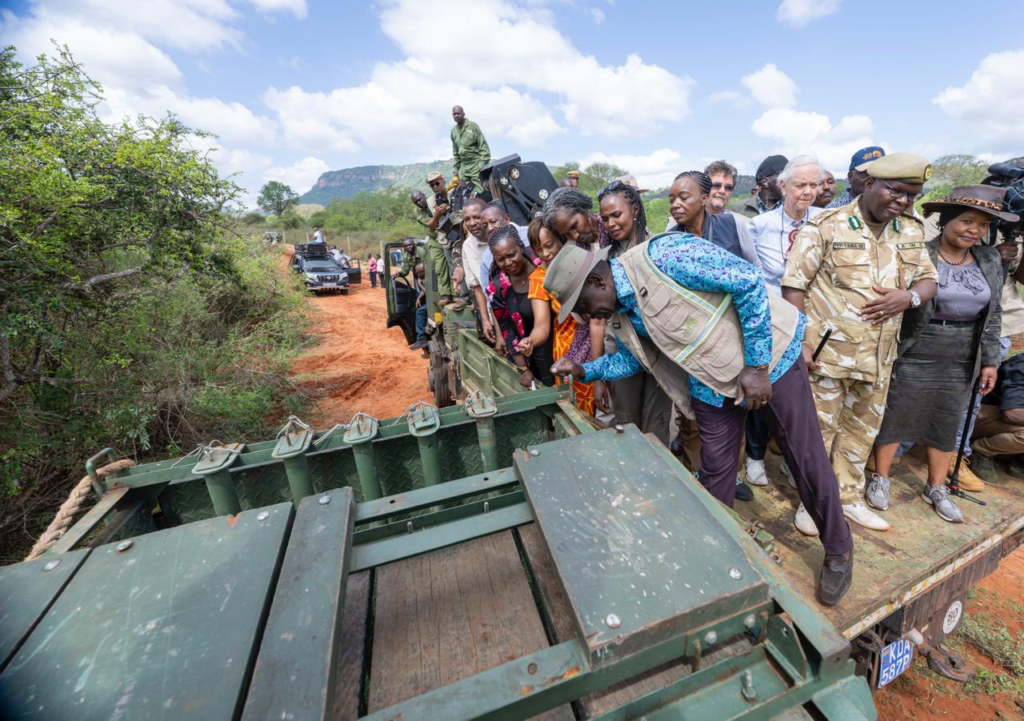
The proposed unification of the three landscapes into a carbon credit zone is meant to secure sustainable financing for the broader ecosystem.
The President said earnings from carbon markets would be directed toward anti poaching operations, habitat restoration and greater engagement with communities living around the parks.
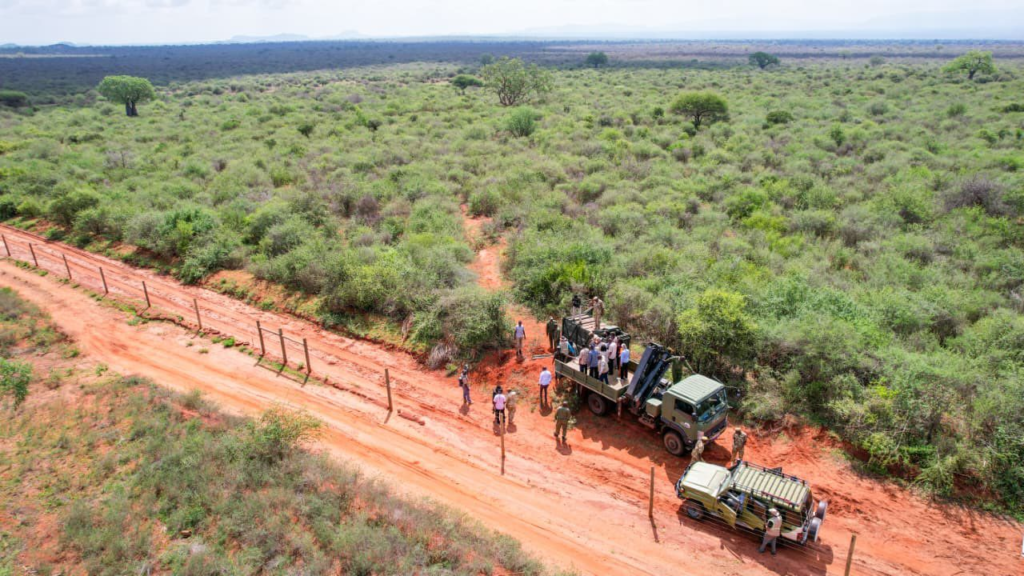
The intention is to reduce the sector’s dependence on unpredictable donor support and widen the financial base for environmental protection.
The plan fits within Ruto’s wider effort to turn Kenya’s natural assets into climate compatible revenue streams. His administration has repeatedly argued that forests, rangelands and protected areas carry significant value in a world increasingly focused on carbon removal and biodiversity protection.
By consolidating Tsavo’s vast rangelands under one carbon programme, the government hopes to attract larger buyers, secure multiyear financing agreements and strengthen the long term protection of one of East Africa’s most important wildlife regions.