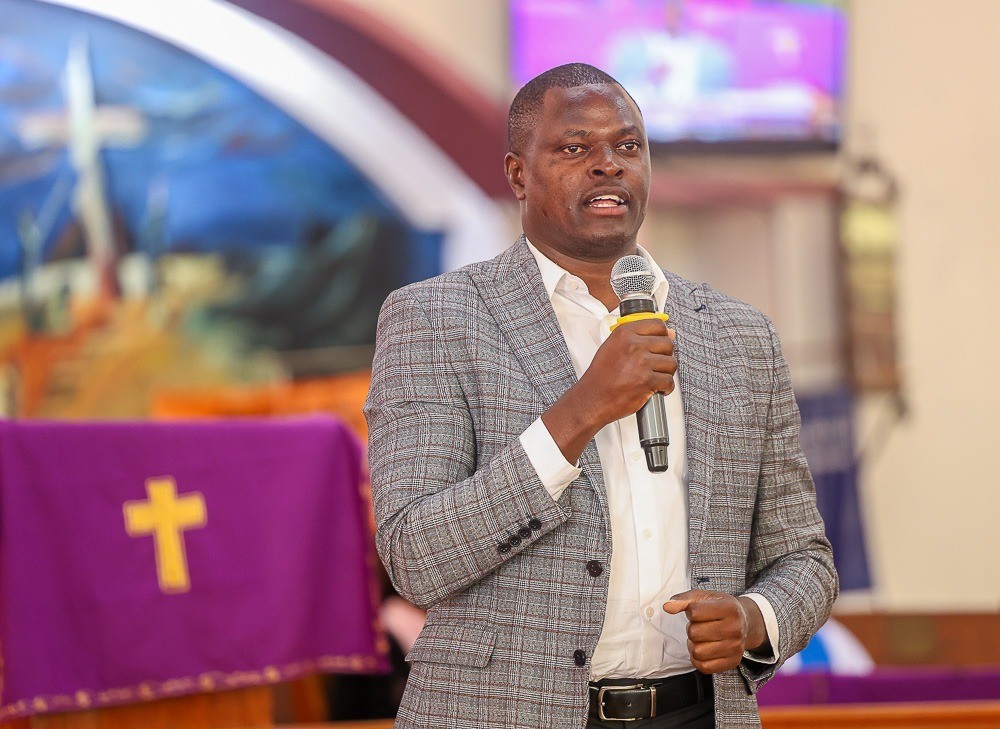
Former Budget and Appropriations Committee chairperson Ndindi Nyoro has sharply criticised President William Ruto’s plan to establish a National Infrastructure Fund (NIF), arguing that the government has failed to account for nearly Sh4 trillion borrowed since taking office in 2022.
The Kiharu MP said introducing another mega infrastructure vehicle—often likened to Singapore’s state-backed investment model—was premature and potentially reckless without clear explanations on how existing loans have been utilised.
Speaking during a press address on Monday, Nyoro insisted that Kenyans deserve transparency before being asked to support another trillion-shilling fund.
“We have borrowed close to Sh4 trillion already. Before setting up another trillion-shilling fund, those in government must face Kenyans and explain what they have done with the money already borrowed,” he said.
Nyoro warned that flashy long-term development promises risk diverting attention from pressing funding gaps in basic services, particularly education and healthcare.
“The government is selling grandiose ideas while cutting capitation for schools. How do you talk about trillion-shilling plans when essentials like education are being underfunded?” he posed.
His remarks come against the backdrop of rising public debt. A recent Central Bank of Kenya (CBK) report presented to the National Assembly’s Privatisation Committee shows Kenya’s public debt stood at Sh12 trillion as of June 2025, up from Sh8.5 trillion in June 2022.
Nyoro argued that the additional borrowing should have delivered visible and completed development projects across the country.
“With the money borrowed, every constituency should have completed projects worth about Sh12 billion. We would be talking about hundreds of kilometres of tarmac roads already done—not just launches,” he said.
The former Ruto ally further accused the administration of making repeated promises without corresponding results, claiming that some loans had been contracted outside established legal and policy frameworks.
“It is now heading to Sh13 trillion. Some of these instruments, including securitisation arrangements and projects like Bomas, are not within the publicly known borrowing framework. Those are illegal loans,” Nyoro alleged.
Despite the growing criticism, the government remains firm on its plans.
On Monday, the Cabinet approved the establishment of both the National Infrastructure Fund and a Sovereign Wealth Fund (SWF), describing them as key pillars of Kenya’s long-term economic transformation agenda.
According to the Cabinet, the NIF will be managed by a competitively appointed board and chief executive officer, while the Sovereign Wealth Fund will operate under a “robust policy framework” aimed at ensuring prudent investment, fiscal discipline and inter-generational equity.