PARAMARIBO, Suriname,
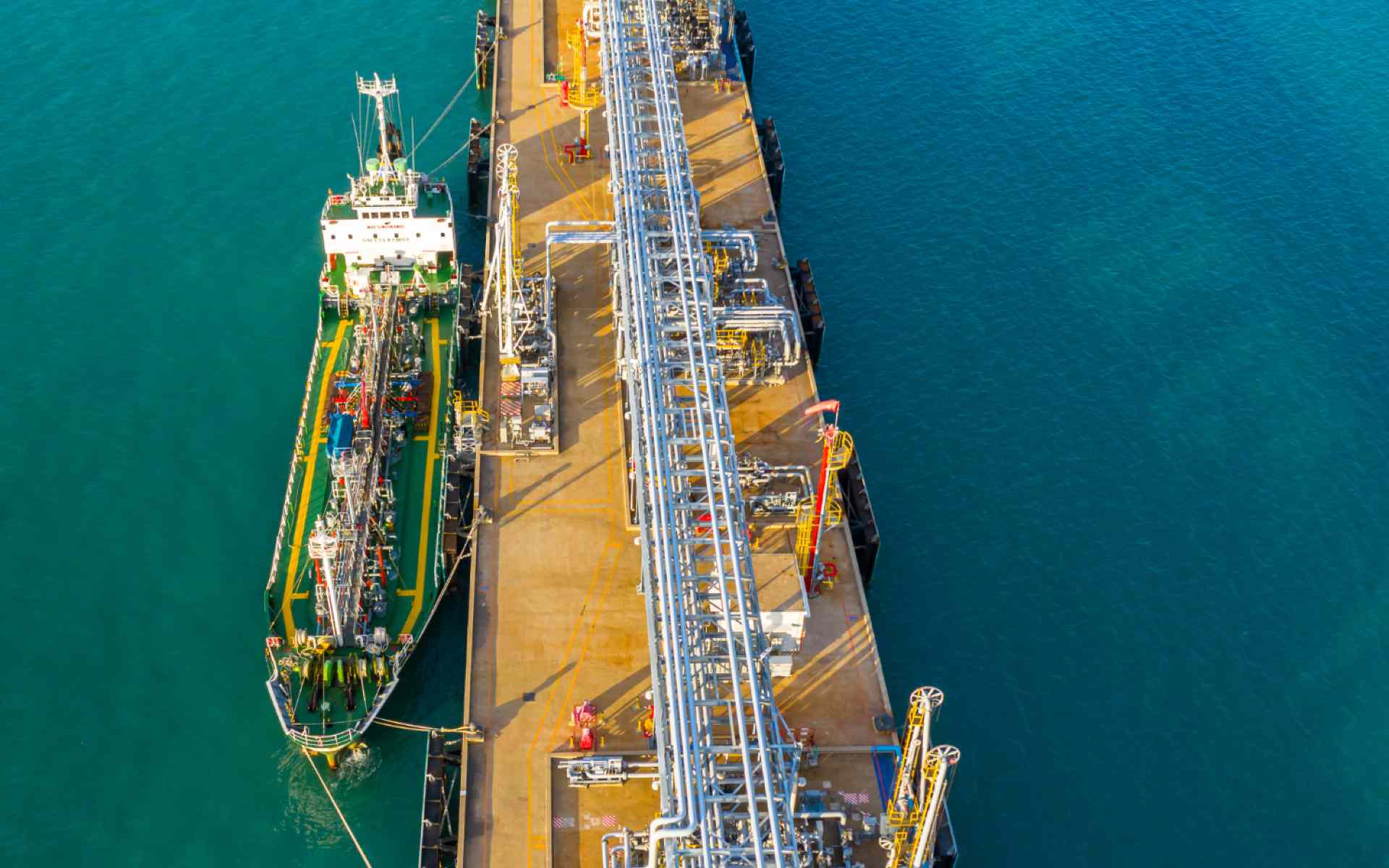
Rapid growth in offshore oil and gas activity across the Caribbean is placing logistics infrastructure at the center of upstream development. Efficient offshore execution now depends heavily on well-designed onshore hubs, including shore bases and specialized ports.
This theme will be explored at Caribbean Energy Week (CEW) 2026 during the session “Building Logistical Hubs to Support Upstream Development,” where industry leaders will examine the planning, investment, and operational models needed to sustain offshore growth.
Guyana offers a leading example, with its production surge supported by modern shore base facilities such as the $300 million Vreed-en-Hoop Shore Base and operations by Guyana Shore Base, enabling faster turnaround times and uninterrupted offshore activity. Trinidad and Tobago’s Galeota Point continues to anchor offshore gas operations in the southern Caribbean, demonstrating the long-term value of integrated logistics hubs.
In Suriname, port facilities in Paramaribo and emerging supply bases are scaling up to support drilling and future production, while logistics providers expand integrated services as the country moves toward first oil.
These cases underscore a key reality: offshore projects cannot succeed without reliable onshore support. As deepwater developments grow in scale and complexity, logistics hubs must accommodate larger vessels, heavy equipment, and digitalized systems, while meeting strict safety and environmental standards.
The CEW 2026 session will highlight how targeted investment in logistics infrastructure can reduce costs, improve project timelines, and strengthen the Caribbean’s position in global energy supply chains.
By James Kisoo