








The first blow was the death of his father. The family home was struck by an Israeli air strike. “They brought him out in pieces,” remembers Abdelrahman’s mother, Asma al-Nashash, 29.
The second came on 16 July 2024, when an air strike hit his school in Nuseirat, central Gaza. The 11-year-old was seriously wounded, and doctors were forced to amputate his leg.
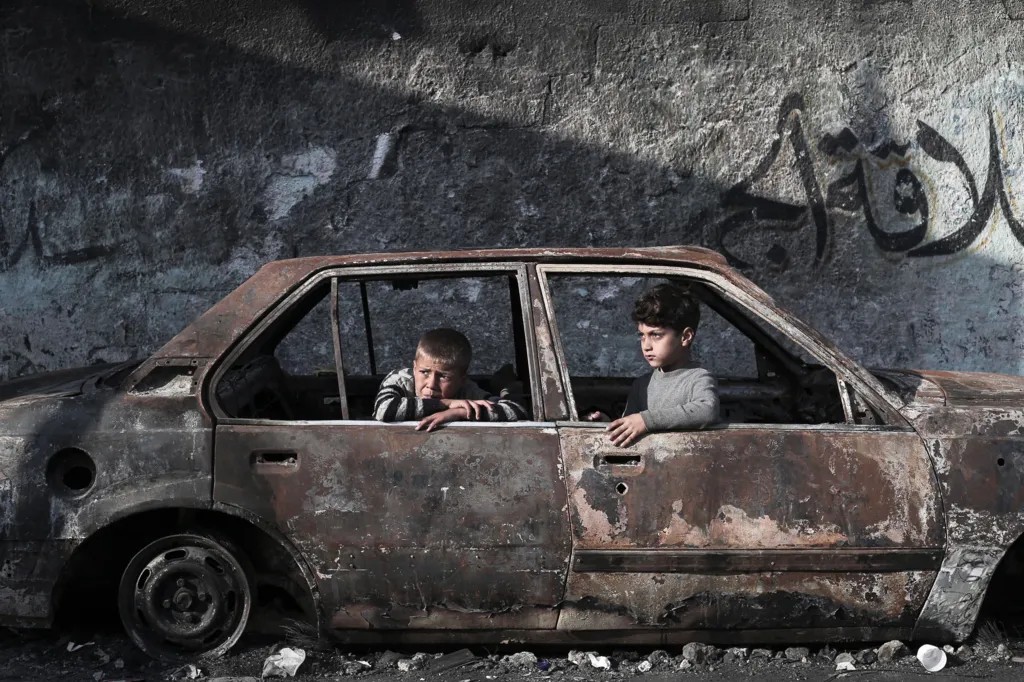
Afterward, his mental state began to crumble. “He started pulling his hair and hitting himself hard,” Asma says. “He became like someone who has depression, seeing his friends playing and running around… and he’s sitting alone.”
When I meet Abdelrahman at a hospital in Jordan in May 2025—one of dozens of children evacuated from Gaza for medical treatment—he is withdrawn and wary. His words are few, but definitive: “We will return to Gaza. We will die there.”
Abdelrahman’s face is now among those forever etched in my memory, one of thousands of traumatized children I have met in nearly four decades of reporting from conflict zones. Some faces remain as vivid as if I had met them yesterday, each one reflecting the profound and particular terror inflicted upon children in our time.