By AFP
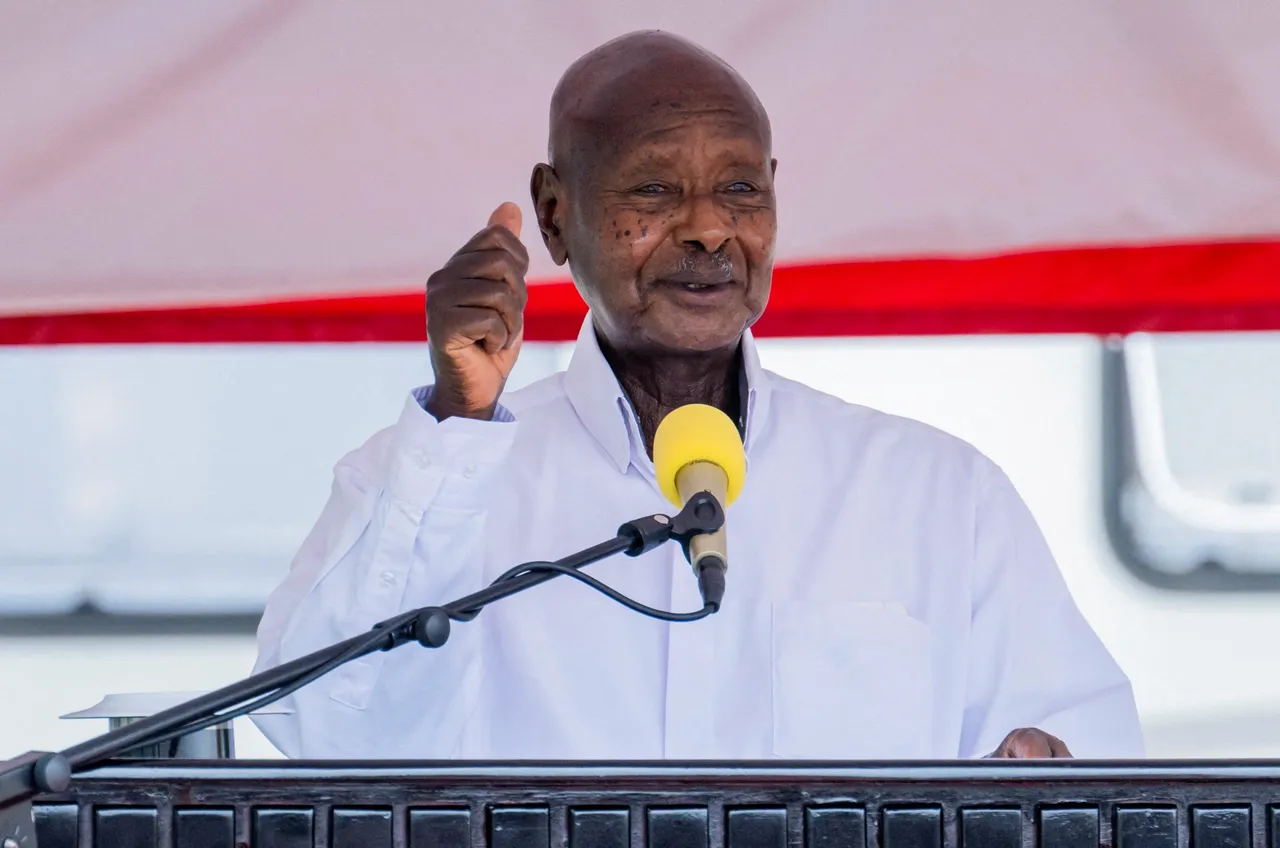
Yoweri Museveni has been president longer than most Ugandans have been alive, and shows no sign of giving up his place among the world’s longest-serving leaders.
Shortly after Museveni took power in 1986, ending years of bloodshed and chaos under murderous tyrants, the young president mused that leaders overstaying their welcome lay at the heart of Africa’s problems.
But, nearly four decades later, the introspection is gone and Museveni — once hailed in the West as a model African leader committed to good governance — has joined the ranks of those he once criticised.
His genial demeanour and penchant for folksy parables belie a past as a wily guerrilla fighter and ruthless political survivor.
During his 40-year reign Museveni has fused state and party so effectively, and crushed political opposition so totally, that any outside challenge to him or his National Resistance Movement (NRM) became close to impossible.
At 81 – though some opponents say he is older – Museveni says he is fighting fit and ready for a seventh term if he wins Thursday’s election.
Challenger within
In long, meandering speeches laced with peasant folklore, Museveni often appeals for more time, likening himself to a farmer leaving a plantation just as it starts bearing fruit. His 2026 campaign slogan is “Protecting the gains”.
Rarely, too, does “the old man who saved the country” miss a chance to recall his heroics in the bush wars, sometimes exchanging his trademark safari hat for camouflage fatigues.
Museveni studied in Dar es Salaam, Tanzania, in the 1960s when the university acted as a kind of revolutionary finishing school for anti-colonialists.
British journalist William Pike, who interviewed Museveni in 1984, described a well-admired man with a “faraway look in his eyes as he spoke, the look of a dreamer, a revolutionary”.
“He was intensely serious but showed flashes of humour. He encouraged debate although his officers were deferential,” Pike wrote in a 2019 book. “Museveni’s confidence infected everyone.”
Drift to dictatorship
This evaluation extended to the international community, which saw promise in Museveni’s early strides on economic growth, poverty alleviation and combating HIV/AIDS.
A cunning strategist, Museveni has positioned himself as an elder statesman and peacemaker in a volatile region – even as his forces have marauded in eastern Congo and breached arms embargoes in South Sudan.
His deployment of troops to fight jihadists in Somalia, and an open-door policy to refugees, won favour from foreign donors, even as they triggered corruption scandals at home.
His approval of an anti-gay law seen as one of the world’s harshest drew a chorus of international criticism upon its passage in 2023, but Museveni vowed to stand his ground and weather the storm.
Raised by cattle herders, Museveni once promised to retire and tend to his cherished long-horned Ankole cows, but he instead has outlasted every ruler on the continent bar Teodoro Obiang Nguema of Equatorial Guinea and Paul Biya of Cameroon.