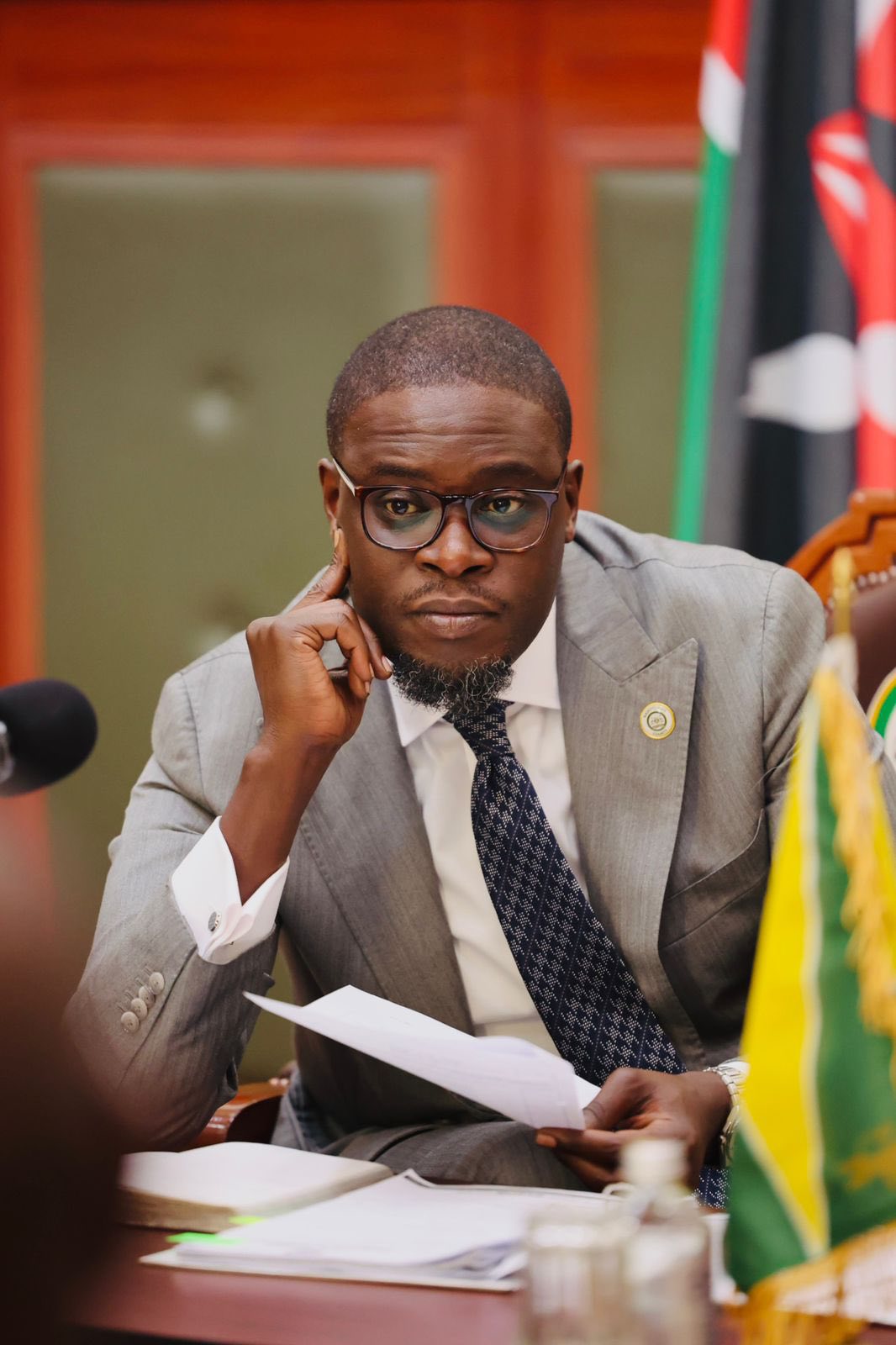
Nairobi Governor Johnson Sakaja has called on striking doctors to return to work, citing significant progress in addressing their grievances.
On Thursday, Sakaja’s administration highlighted what it described as substantial advancements in resolving issues raised by doctors and clinical officers.
County Executive Committee Member for Health, Wellness and Nutrition, Suzanne Silantoi, said the county has maintained ongoing engagement with health sector unions and implemented key reforms aimed at improving healthcare workers’ welfare.
Silantoi explained that the county has rolled out comprehensive medical cover for health workers under the SHA Civil Servants Scheme, advanced promotions across common cadre job groups, and allocated a Sh424 million supplementary budget to clear all pending promotions.
She added that over 98 per cent of health workers have now been confirmed into permanent and pensionable positions, with all salaries and statutory third-party deductions fully paid.
“It is because of this progress,” Silantoi said, “that we have directed the grieving medics to resume duty within 12 hours,” warning that failure to comply would attract disciplinary action and loss of pay.
The administration also assured Nairobi residents that public health services remain operational across all county facilities.
“The Nairobi City County Government remains fully committed to resolving labour-related issues through dialogue, while ensuring that healthcare services continue uninterrupted for all Nairobi residents,” Silantoi said.
The county further clarified that gratuity obligations arising from service under the former Nairobi Metropolitan Services (NMS) fall under the National Government. However, it said it has committed to settling gratuity for periods served under the County Government and continues to engage national authorities to secure a comprehensive solution.
Expressing dismay at what it described as the politicisation of the strike, the county said the industrial action has caused unnecessary disruption of essential health services. Silantoi emphasised that while dialogue remains open, patient welfare must take priority.
“While we remain open to dialogue, the disruption of essential health services is unacceptable, and all health workers on strike are required to resume duty to safeguard the well-being of Nairobians,” she said.
Public health services in Nairobi have been severely disrupted for the third consecutive week following the withdrawal of services by healthcare workers. Doctors have been on strike for 27 days, while clinical officers have downed their tools for 23 days.
Doctors began their industrial action in mid-December, with clinical officers joining later. The workers have vowed not to return to duty until all outstanding payments are cleared and their grievances addressed.
Clinical officers’ key demands include payment of salary arrears, implementation of the salary review, operationalisation of the Collective Bargaining Agreement (CBA), and permanent employment for staff engaged under the Universal Health Coverage (UHC) programme.