







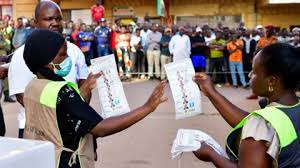
Uganda’s presidential election on Thursday was marred by widespread delays at polling stations and a nationwide internet shutdown, raising fresh concerns about electoral transparency in the East African country.
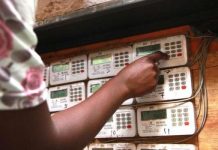
Voting was due to begin at 7 a.m., but several polling stations, particularly in urban areas, opened hours late due to malfunctioning biometric voter identification machines. The Electoral Commission said the delays were caused by “technical challenges” and instructed officials to use paper voter registers to avoid disenfranchising voters.
Uganda has about 21.6 million registered voters out of a population of roughly 45 million. Polls, initially scheduled to close at 4 p.m., were extended by one hour to 5 p.m. local time. Official results are constitutionally required within 48 hours.
Opposition Raises Alarm
President Yoweri Museveni, 81, who has been in power since 1986, is seeking to extend his rule and faces seven challengers. His main rival is Robert Kyagulanyi, popularly known as Bobi Wine, a musician-turned-politician calling for political change.
Bobi Wine alleged electoral fraud, claiming ballot stuffing and the arrest or intimidation of opposition polling agents. In a post on X, he said several party officials were abducted or forced out of polling stations.
Museveni confirmed he had been briefed on the failure of biometric machines and backed the Electoral Commission’s decision to revert to paper records. He did not comment on allegations of fraud.
Voter Frustration and Security Presence
Long queues and late openings frustrated voters in Kampala and other cities. Opposition lawmaker Ssemujju Nganda warned the delays could reduce turnout in urban areas where the opposition enjoys strong support.
Independent analyst Nicholas Sengoba said delayed voting in opposition strongholds favoured the ruling party.
The election was held amid heavy security deployment, with military units visible on the streets. Human rights groups, including Amnesty International, accused security forces of using excessive force against opposition supporters during the campaign period.
Internet Shutdown and Political Tensions
The government shut down the internet earlier this week, citing concerns over misinformation and public order. Critics described the move as an anti-democratic tactic that disrupted businesses and limited access to information.
Uganda has never experienced a peaceful transfer of presidential power since independence. Museveni is serving Africa’s third-longest presidential term, with growing concerns about military influence and political repression.
As counting begins, observers say the credibility of the vote will be critical to Uganda’s democratic future.