By Andrew Kariuki
The High Court has concluded hearings in a constitutional dispute pitting Ngangas and artists against the National Transport and Safety Authority over regulations affecting decorated public service vehicles.
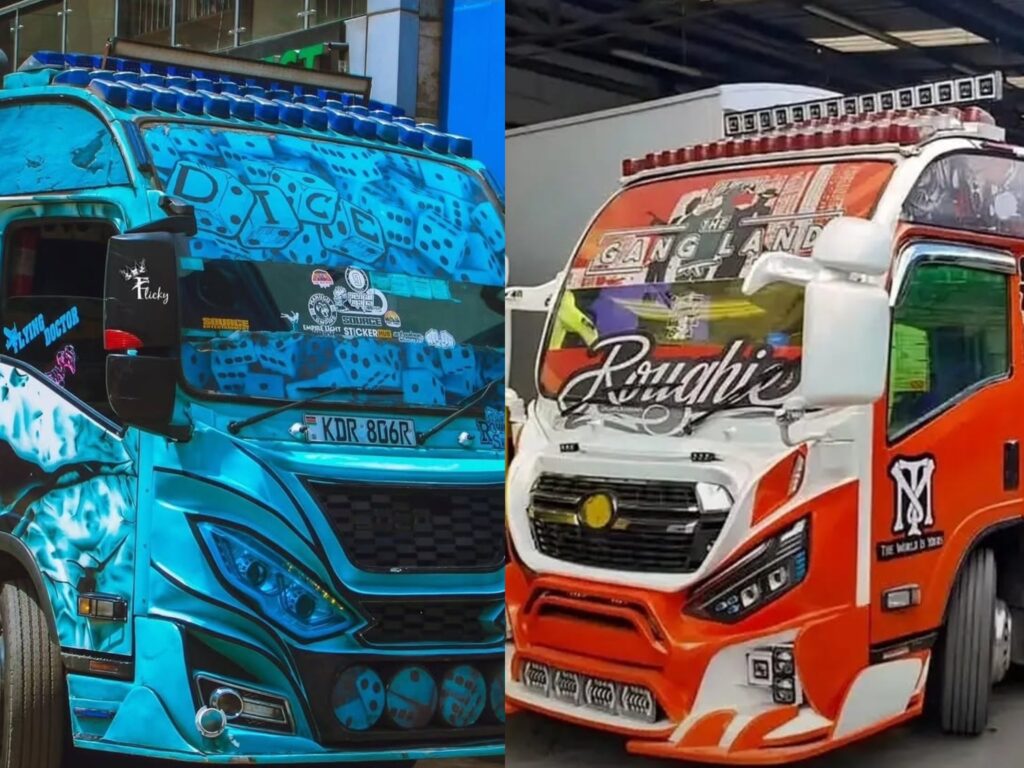
The dispute originates from a petition lodged in 2025 challenging NTSA rules and an enforcement notice that required matatus bearing graffiti, artistic designs, sound enhancements or tinted windows to remove the features or face sanctions.
The petitioner argues that the measures amount to discrimination and were introduced without adequate stakeholder consultation.
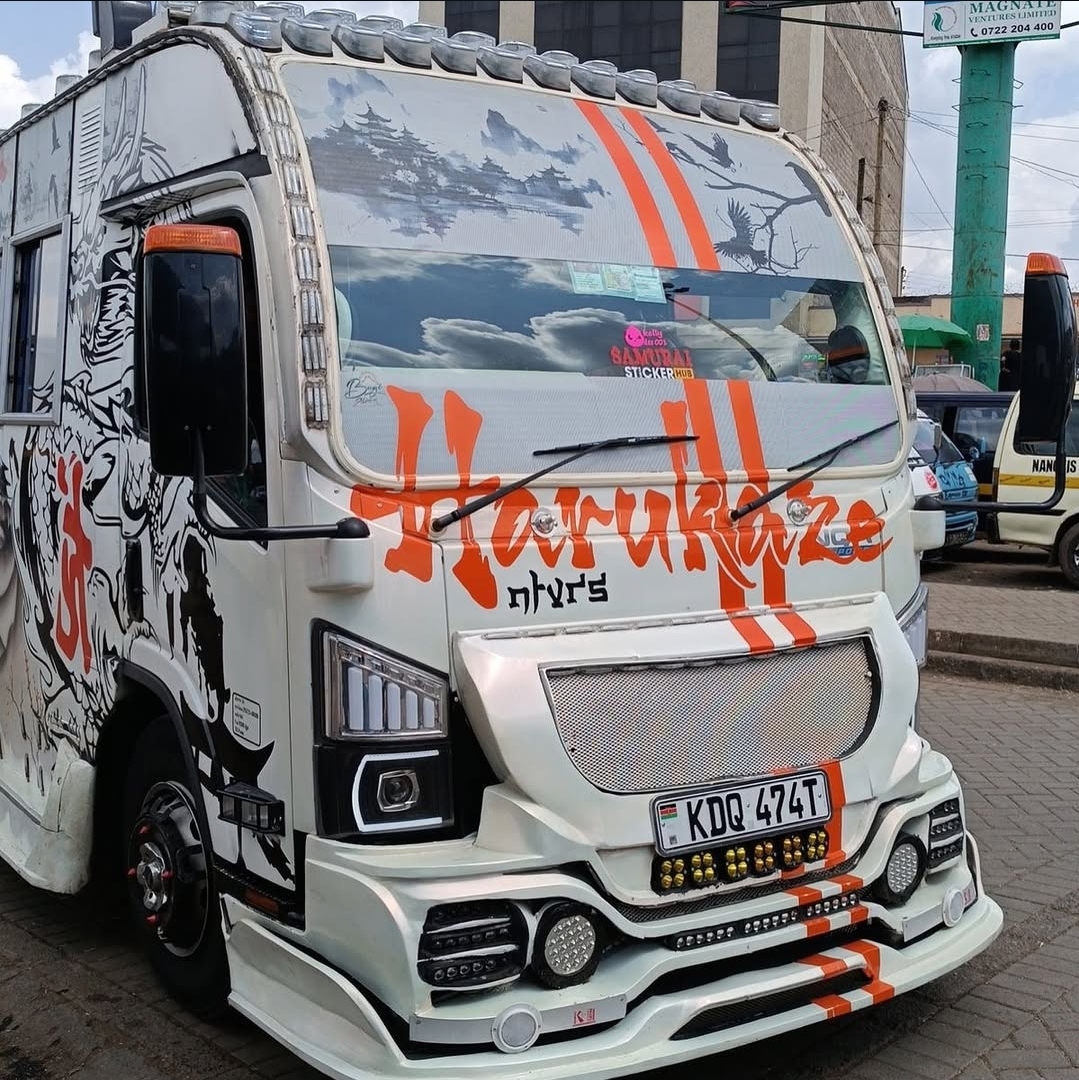
During proceedings held on January, 21, 2026 before Justice Bahati Mwamuye, the petitioner submitted that the enforcement notice threatens nganya culture, which he described as a contemporary urban expression involving art, design and performance that has evolved over time and contributes to livelihoods in the transport industry.
The court heard arguments that the regulations were not subjected to proper public participation and were enforced using a public notice dating back several years.
The petitioner further questioned the legal basis of NTSA’s claim that decorated vehicles compromise road safety, stating that no clear standards or verified audits were presented.
The State opposed the petition, maintaining that NTSA is empowered under the law to regulate public service vehicles and that the rules were introduced through lawful processes, including parliamentary oversight.
State counsel argued that invalidating the regulations would leave a regulatory gap in the public transport sector.
Earlier court directions issued in 2025 set timelines for filing pleadings and submissions, with the court emphasising compliance with procedural requirements ahead of the final determination.
Justice Mwamuye reserved the matter for judgment, which is scheduled to be delivered on February 19, 2026, bringing to a close a case that raises broader questions about cultural expression, regulation and public participation.