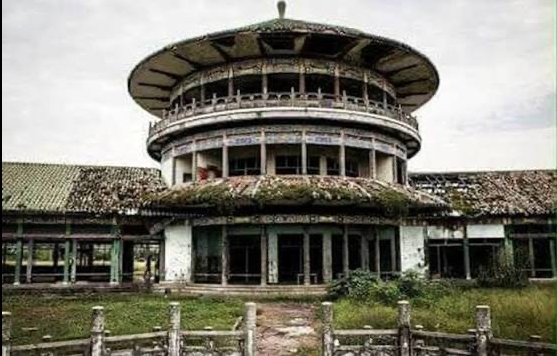
Ghana has begun formal negotiations to acquire and preserve the former residence of Dr Kwame Nkrumah in Conakry, Guinea, where the country’s first president lived during his years in exile following his overthrow in 1966.
The initiative, led by President John Dramani Mahama, seeks to transform the historic property into a heritage and tourism site that will commemorate Nkrumah’s life, political struggle and enduring Pan-African vision.
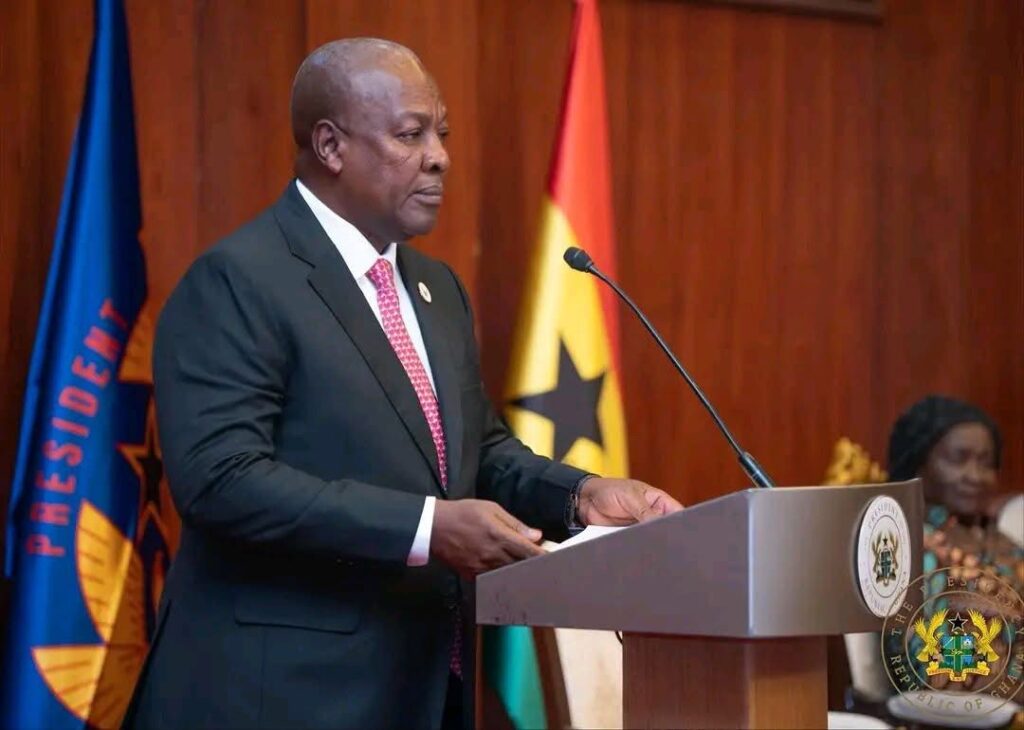
Foreign Affairs Minister Samuel Okudzeto Ablakwa
Foreign Affairs Minister Samuel Okudzeto Ablakwa announced that discussions are underway with the family of Guinea’s first President, Ahmed Sékou Touré, on whose instructions Nkrumah was granted refuge and later named Co-President of Guinea.
A high-level Ghanaian delegation led by Vice President Jane Naana Opoku-Agyemang recently visited Conakry, where officials met members of the Touré family and inspected the abandoned residence.
The visit underscored Ghana’s intent to renovate, preserve and protect the property as a symbol of African unity and resistance to neo-colonialism. Once restored, the site is expected to serve as a museum and cultural centre, offering visitors insight into Nkrumah’s final years and the broader Pan-African movement.
Dr Kwame Nkrumah was overthrown in a military coup on February 24, 1966, while on a peace mission to Vietnam. The coup ended Ghana’s First Republic and was driven by a mix of domestic opposition, economic pressures and Cold War geopolitics.
Nkrumah’s socialist policies, strong state control of the economy and outspoken opposition to Western imperialism had drawn hostility from local elites and foreign powers. Declassified documents later suggested Western intelligence involvement, as Nkrumah was seen as a destabilising force to Western interests in Africa.
After the coup, Nkrumah was unable to return to Ghana, and his supporters were persecuted. He eventually accepted asylum in Guinea at the invitation of President Ahmed Sékou Touré, one of his closest ideological allies.
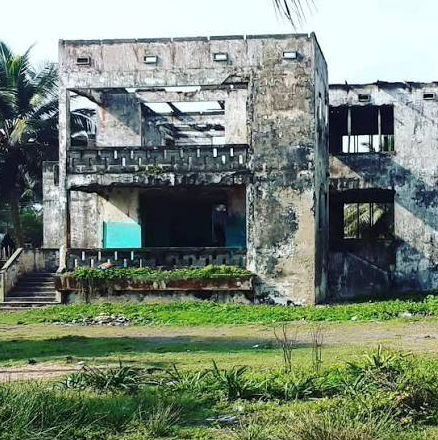
In Conakry, Nkrumah was welcomed as a hero. Sékou Touré named him Honorary Co-President of Guinea, an unprecedented move that symbolised the unity of African liberation leaders.
From exile, Nkrumah continued to advocate for:
- African political and economic unity
- Resistance to neo-colonialism
- A continental government for Africa
It was during this period that he wrote influential works such as Dark Days in Ghana and Neo-Colonialism: The Last Stage of Imperialism, which shaped generations of African political thought.
However, exile took a heavy toll on his health. Isolated from Ghana and under constant political pressure, Nkrumah died in 1972 in Bucharest, Romania, where he had travelled for medical treatment.
Ghanaian officials say acquiring the Conakry residence is not merely about property ownership but about reclaiming African history.
“The house represents a painful but powerful chapter in our national and continental story,” a senior official said. “It reminds us of sacrifice, resilience and the unfinished dream of African unity.”
The project aligns with Ghana’s broader cultural diplomacy efforts, including heritage initiatives aimed at reconnecting Africa and the diaspora.
For many Africans, Nkrumah’s exile is a reminder of the costs paid by leaders who challenged global power structures. Preserving his home in Guinea is seen as an act of historical justice and a reaffirmation of Pan-African ideals.
As negotiations continue, Ghana says it remains committed to ensuring that future generations understand not only Nkrumah’s achievements, but also the sacrifices he made in pursuit of a united and independent Africa.