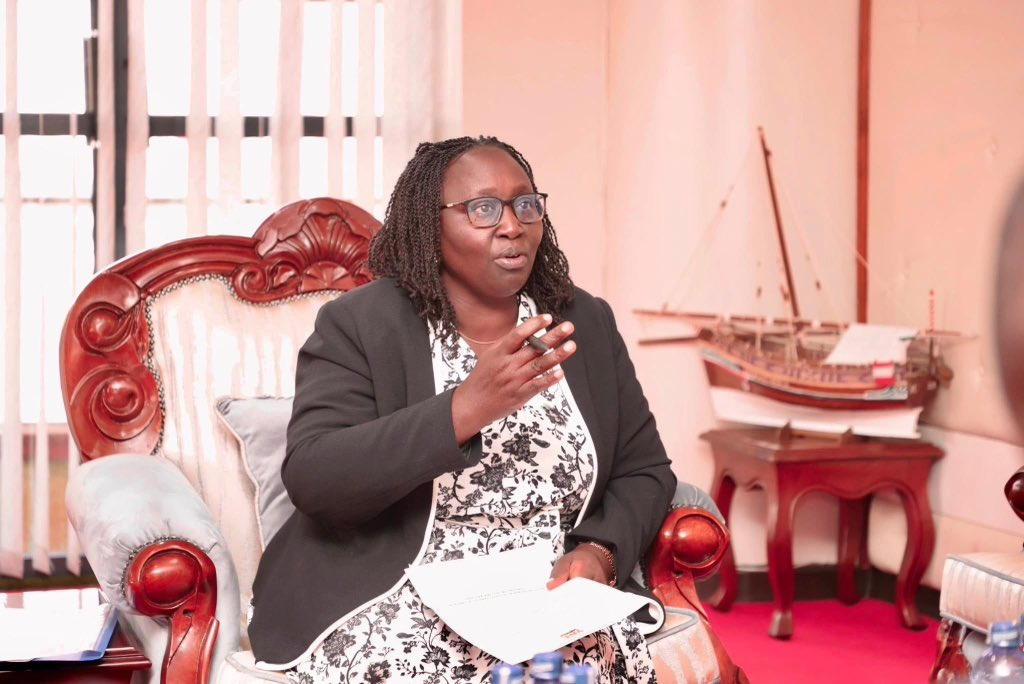
The government has moved to investigate reports of bodies retrieved from Nairobi Funeral Home and interred at Lang’ata Cemetery, amid concerns they belonged to street‑connected individuals, the Ministry of Gender, Culture and Children Services said on Monday.
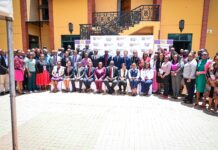
In a statement, Cabinet Secretary Hanna Cheptumo said her office has taken the matter “with the seriousness it deserves,” confirming that a consultative meeting was held today with officers from the Street Families Rehabilitation Trust Fund (SFRTF) and other government agencies to begin investigations.
The inquiries aim to establish the identity, age, gender, cause of death and other details that will provide clarity on the circumstances surrounding the reported deaths, Cheptumo said.
The government’s action follows increased public concern over a surge in unexplained fatalities among street‑connected children and youth in Nairobi this month.
At least 15 street‑connected children and youth have died across the city in recent weeks, according to civil society groups.
Autopsies on bodies found in various locations, including streets and alleys, have indicated that many succumbed to pneumonia, starvation and bodily injuries, while some died following mob justice attacks or accidents such as drowning.
Earlier, the burial of nine street‑connected individuals at Lang’ata Cemetery drew national attention, with mourners and advocates demanding justice and accountability for the deaths.
Many of the victims’ remains were collected from City Mortuary and Mama Lucy Hospital mortuary before burial amid emotional scenes.
In response to the reports of bodies that were retrieved from Nairobi funeral Home and interred at Langata cemetery alleged to be street families I wish to inform the public that my office has taken note of the matter with the seriousness it deserves. In this regard, I this
Cheptumo’s meeting also reviewed the implementation of the National Street Families Rehabilitation Policy, under which County Street Families Rehabilitation Chapters have been established in 38 counties.
These chapters are intended to coordinate rehabilitation interventions and bring services closer to street‑connected communities in need.
The policy, developed in consultation with state and non‑state actors, seeks to harmonise prevention, rescue, rehabilitation, reintegration and resocialisation of street families while enhancing governance and accountability in service delivery.
Despite these frameworks, human rights advocates have criticised government responses as reactive and insufficient, noting that waiving hospital, mortuary and burial fees does little to address the root causes of homelessness and vulnerability affecting street families.
Civil society organisations, including the Undugu Society of Kenya, have called for transparent, thorough investigations, public release of findings and urgent action to protect homeless children and youth.
They have also urged the government to ensure street‑connected individuals have access to legal identification, security guarantees and essential services.
The push for accountability comes as national outrage grows over the unexplained deaths and broader systemic issues affecting street‑connected communities in urban areas.
Image caption: Bodies of street‑connected individuals were recently interred at Lang’ata Cemetery after being retrieved from Nairobi mortuaries amid rising deaths in the city’s homeless communities.