As of February 2026, the push for Luhya unity remains fragmented, with Western Kenya’s 2.6 million voters split between three main political trajectories ahead of the 2027 General Election.
National Assembly Speaker Moses Wetang’ula and Prime CS Musalia argue that the community’s best chance for the presidency is in 2032. They urge the region to support President Ruto’s re-election in 2027 in exchange for his backing of a Luhya successor in the following cycle.
Recent high-profile meetings at Shamakhokho and elsewhere have focused on rallying the region behind the government to secure development projects.
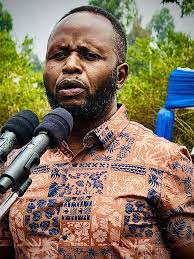
Trans Nzoia Governor George Natembeya has rejected the “old guard” (Mudavadi and Wetang’ula), accusing them of auctioning the community for personal gain. He is positioning the Tawe movement and a rebranded DAP-K as a national platform for a 2027 presidential bid.
Recent polling by Infotrak suggests Natembeya is currently viewed as the most influential leader in the region, reflecting a growing appetite for fresh leadership.
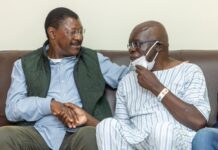
On January 28, 2026, Wamalwa and Oparanya held a high-stakes meeting to discuss “collaboration for the Mulembe Nation,” signaling a potential reconciliation between different opposition wings.
Approximately 35% of Luhya voters currently favor backing the opposition in 2027, while 26% support Kenya Kwanza, indicating the region is far from a monolithic voting bloc.
On February 3, 2026, the Kakamega Deputy Governor officially ditched DAP-K for UDA, pledging to deliver the region’s 2.6 million votes to Ruto—a major blow to the opposition’s unity efforts in Kakamega.
By Anthony Solly