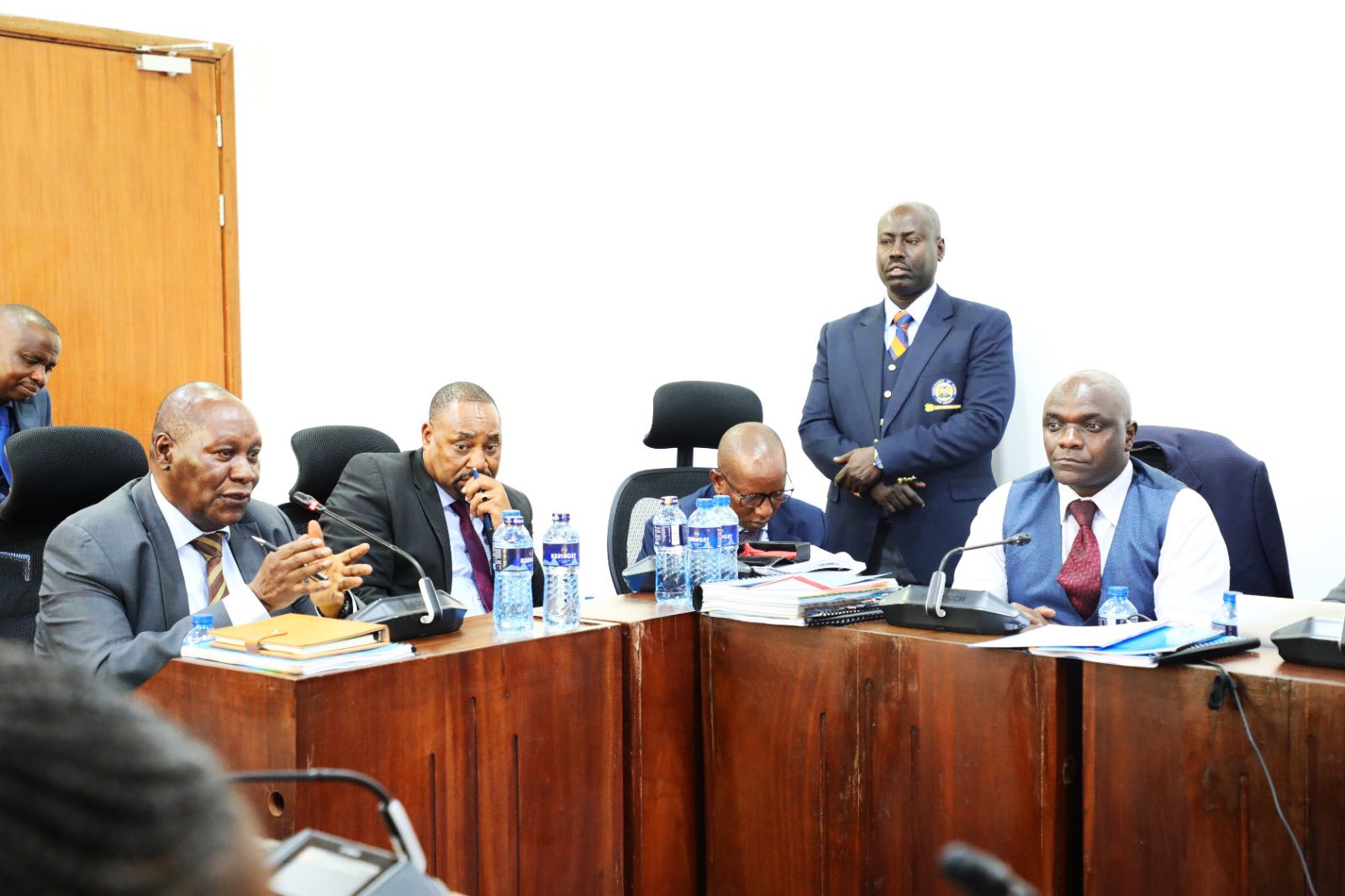
The Senate County Public Accounts Committee (CPAC) has directed the Ethics and Anti-Corruption Commission (EACC) to investigate and establish the exact amount of revenue collected from sand harvesting in Kitui County.
The directive was issued on Tuesday during a meeting between the Committee and Kitui Governor Julius Malombe, who appeared before Senators to respond to audit queries arising from the county’s financial statements for the 2024/25 financial year.
The probe will focus on the number of trucks transporting sand daily and the amount of cess collected from the activity across the county.

CPAC expressed concern that revenue from sand harvesting is underreported and under-optimised, raising fears of possible loss or theft of public funds from one of the county’s key natural resources.
“Revenue from sand cess requires thorough investigation,” CPAC chairperson Senator Moses Kajwang’ said.
“We direct the EACC to follow up on the matter and take the necessary action as provided for under the Constitution.”
The directive followed a heated exchange between the Governor and Senators over the actual revenue generated from the levy charged on sand transportation.
The county executive told the Committee that between 10 and 20 trucks transport sand daily, with each truck paying Sh5,000 in cess, translating to about Sh50,000 in daily revenue.
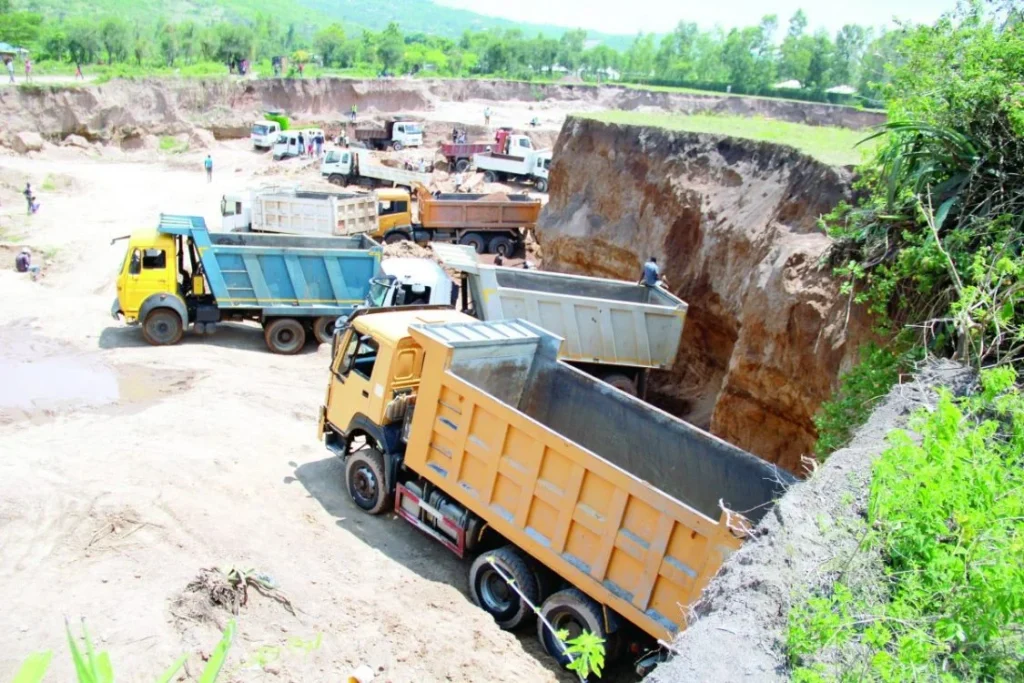
However, the Committee rejected the figures, arguing that the county had grossly underreported earnings from the sector, pointing to possible malfeasance in revenue management.
Governor Malombe explained that cess charges vary depending on the tonnage of the trucks, with a 10-ton lorry attracting the highest levy of Sh5,000. Smaller trucks of between three and five tonnes pay between Sh2,000 and Sh3,000.
He added that the number of trucks fluctuates depending on weather conditions, noting that during rainy periods the number can drop to as low as five trucks per day, generating about Sh25,000 in daily revenue.
But Senator Enock Wambua dismissed the explanation, saying that on average at least 100 trucks ferry sand across the county daily.
He alleged that although each truck pays Sh6,000 in cess, operators are issued receipts indicating payment of only Sh1,000, with the balance allegedly pocketed by cartels.
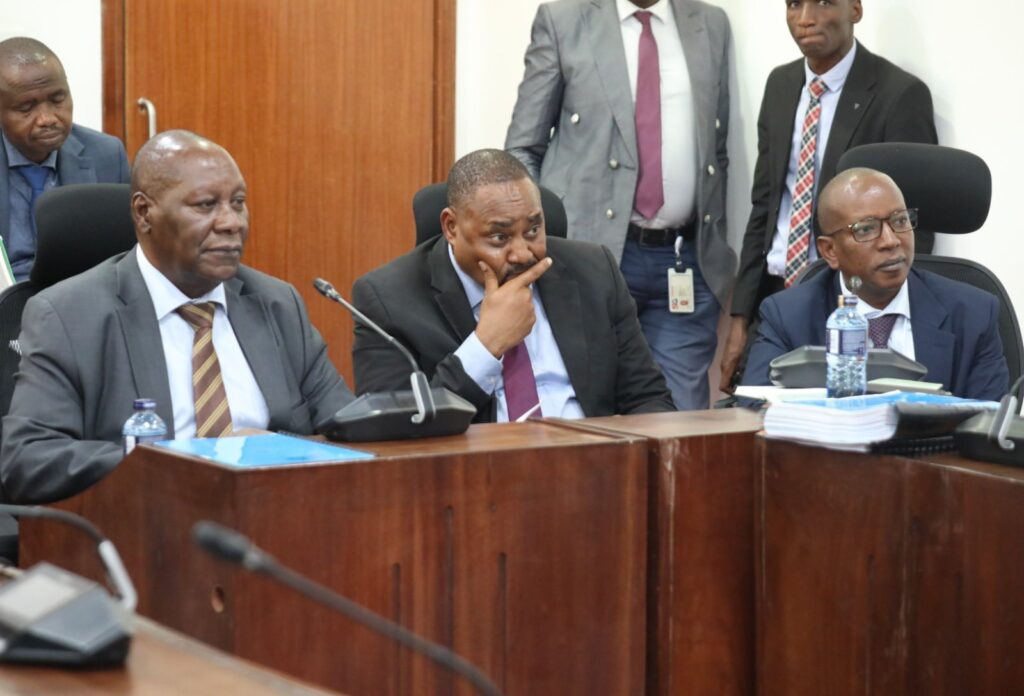
Using the county’s own estimate of 20 trucks per day, Senator Wambua questioned the Sh11 million declared as annual revenue from sand harvesting in the county’s financial statements.
“If 20 trucks each paid Sh5,000 per day, that amounts to Sh100,000 daily, translating to about Sh36.5 million annually,” he said, noting that the figure was significantly higher than what the county reported.
Governor Malombe attributed the low revenue to weak regulation and the previously unstructured nature of sand harvesting in the county.
To address the problem, he said the county had enacted the Kitui Rivers Basin Sand Utilisation and Conservation Act, which has automated cess collection and introduced cooperative societies to manage sand harvesting.
The Governor acknowledged the existence of cartels in the sector but maintained that recent interventions had weakened their grip.
“I cannot deny that cartels exist. They do. But they are on the run because of the tough measures we have put in place,” he said, adding that the new law provides strong enforcement mechanisms.
Among its provisions, the Act requires sand harvesting to be conducted through registered cooperative societies established specifically for that purpose.