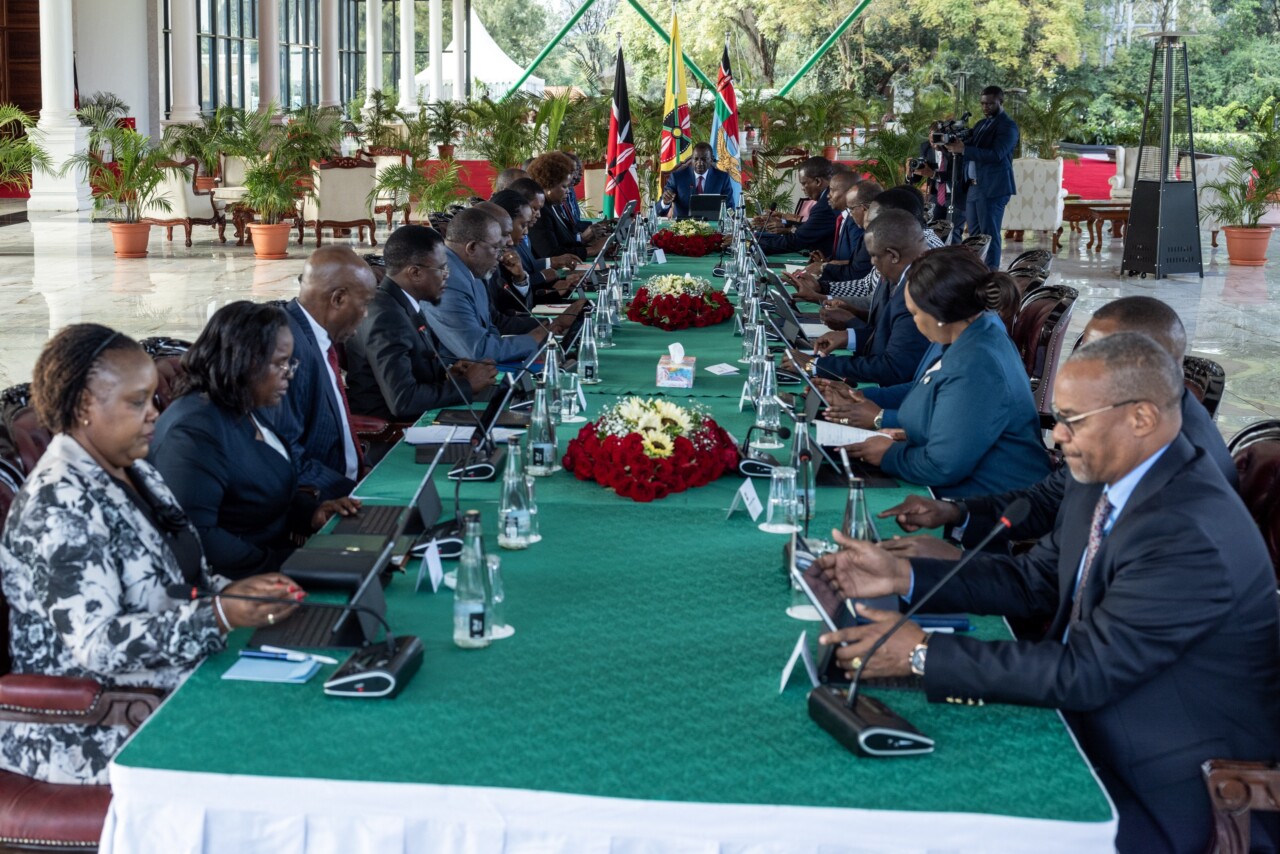
The Cabinet has ordered sweeping reforms to the government payroll system after a special audit uncovered widespread manipulation, weak controls, and serious cybersecurity failures that have exposed public funds to abuse.
In a statement issued after its meeting on Tuesday, the Cabinet said the audit of the Government Human Resource Information System (HRIS-K) revealed systemic governance failures that allowed unauthorised alterations of payroll records across ministries, departments, and state corporations.
According to the findings, at least 720 system editors altered more than 4.7 million payroll records, with some users editing their own personal data without detection.
The audit found that the system lacked reliable audit trails, role separation, and effective oversight mechanisms.
Cabinet noted that expired ICT licences, weak disaster recovery systems, and poor cybersecurity controls had further compromised the integrity of the payroll system, creating opportunities for fraud, ghost workers, and irregular payments.
The situation was worsened by the failure of about 300 state corporations to migrate to HRIS-K, leaving them outside central payroll controls and accountability frameworks.
In response, the Cabinet approved immediate corrective measures aimed at sealing loopholes and restoring integrity in public payroll management.
All statutory deductions will now be applied strictly at source across the entire public sector. Accounting officers will bear personal responsibility for payroll irregularities within their institutions, in line with the Public Finance Management Act.
The Cabinet also directed that all government institutions must comply with mandatory ICT security certification requirements by March 11, 2026, failing which sanctions will apply.
To strengthen detection, the government will establish specialised Payroll Audit Units and deploy forensic data analytics to identify suspicious transactions, unauthorised edits, and patterns of abuse.
The reforms will also enforce strict segregation of system roles to prevent users from initiating, approving, and implementing payroll changes within the same workflow.
Cabinet said the measures are intended to protect public resources, restore confidence in government systems, and ensure that salaries and benefits are paid only to legitimate employees.
The decision comes amid sustained pressure from Auditor-General reports and parliamentary oversight committees that have repeatedly flagged payroll weaknesses as a major source of financial leakage in the public sector.
Cabinet maintained that the reforms are non-negotiable and will be fully implemented to uphold transparency, accountability, and prudent use of public funds.