ALEPPO, Syria
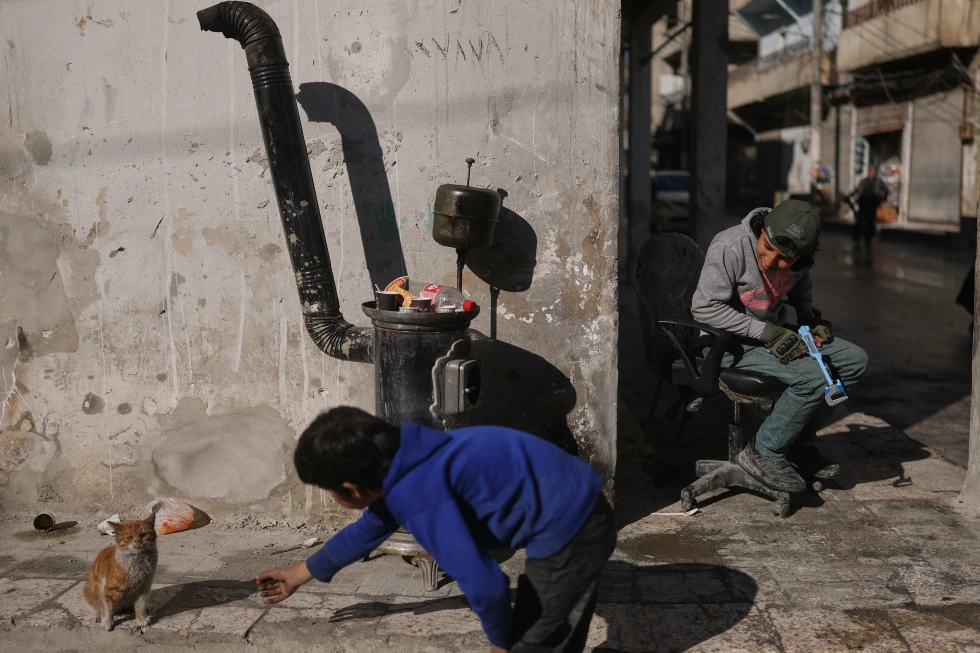
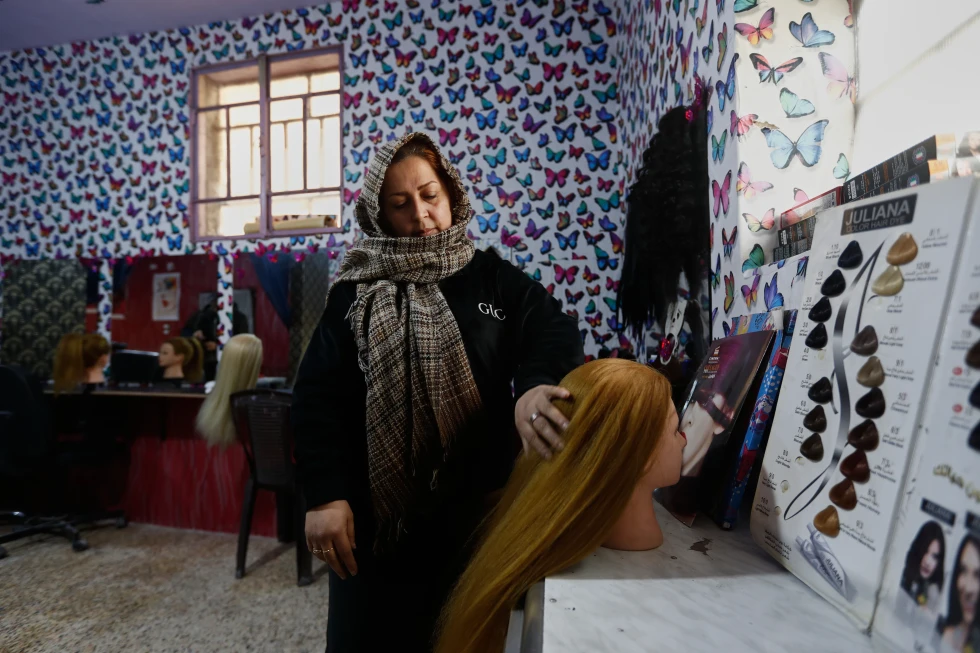
The bullet-scarred walls of Sheikh Maqsoud still stand. The rubble from the drone strike has been pushed to the side. And on a quiet Saturday, Aaliya Jaafar stood outside her hair salon, marveling at a small miracle in a country accustomed to loss: nearly everyone came home.
One month after clashes between government forces and Kurdish-led Syrian Democratic Forces turned this Kurdish-majority neighborhood in Aleppo into a battle zone, most of the tens of thousands who fled have returned.
The quick turnaround is a rarity in Syria, a country where conflict has displaced families for years—sometimes forever.
“Ninety percent of the people have come back,” Jaafar said. “And they didn’t take long. This was maybe the shortest displacement in Syria.”
Her family’s flight was brief but terrifying. They abandoned their house when a government drone struck a nearby lot storing weapons, triggering explosions that shook the neighborhood.
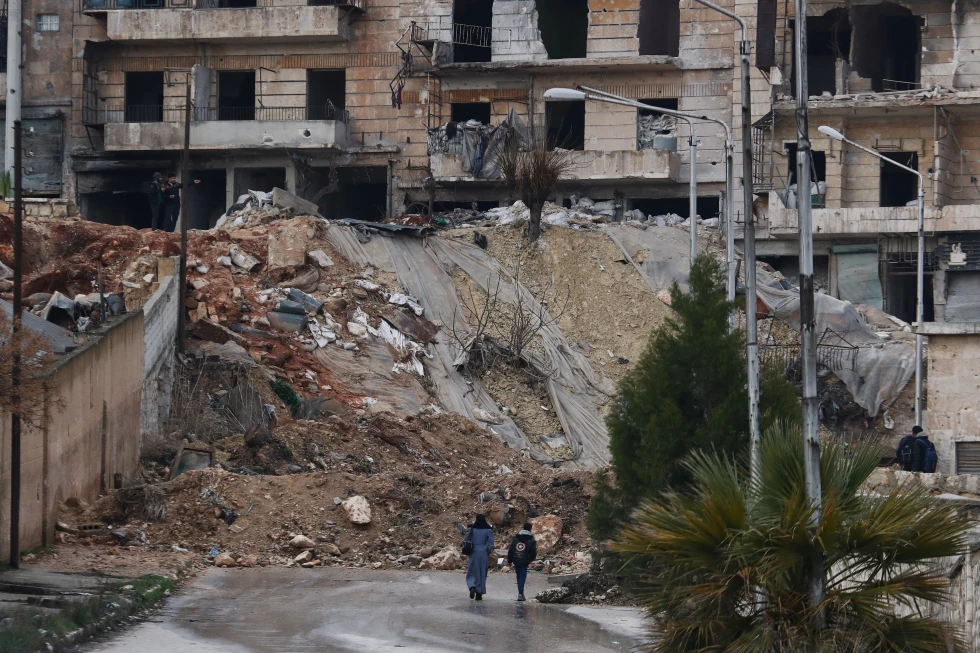
Days later, they returned to find their home still standing—and their community already piecing itself back together.
The Associated Press visited Sheikh Maqsoud as Syria navigates a fragile transition from years of civil war.
The new government is struggling to assert control while trying to win the trust of minority groups like the Kurds, who remain anxious about their security in a shifting landscape.
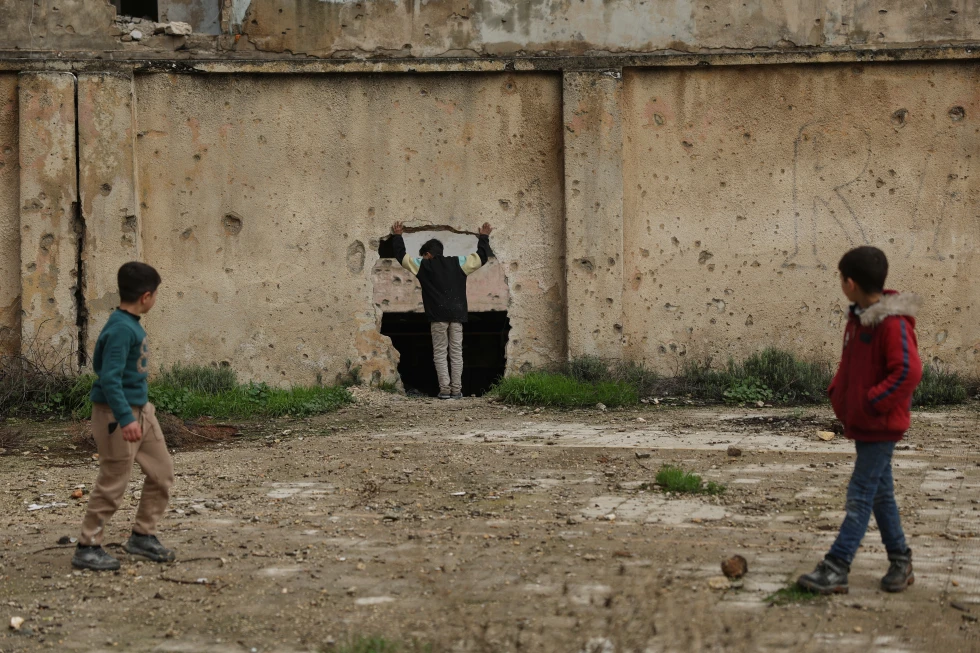
For now, in this corner of Aleppo, the people have chosen to return. Whether they can stay—and rebuild—depends on whether Syria’s “shortest displacement” becomes its last.
By James Kisoo