KATHMANDU, Nepal
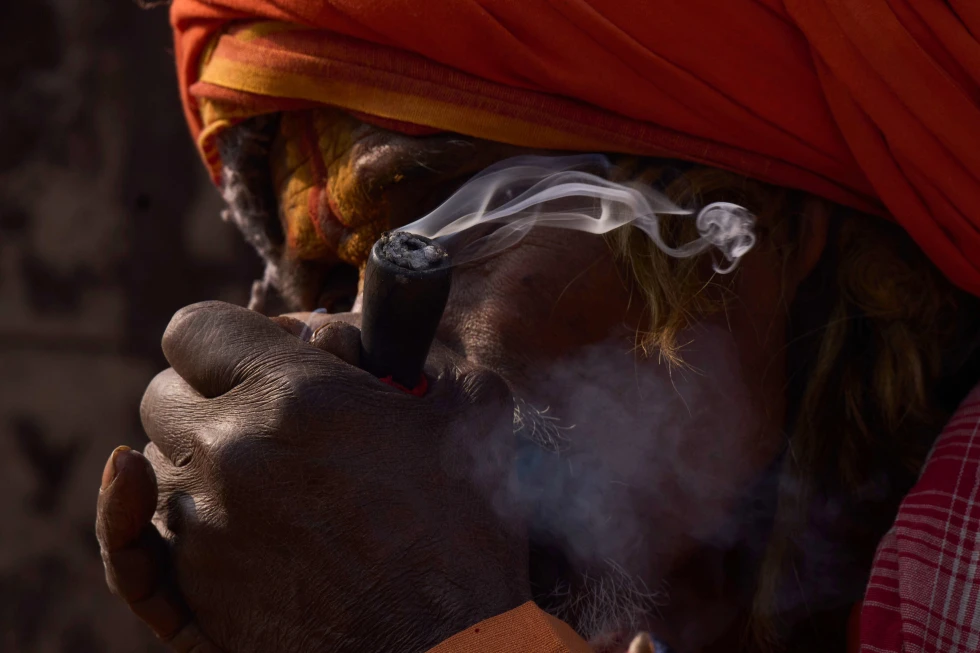
Across the Bagmati River, the smoke rises in lazy spirals from the forested slopes of Bankali. It mingles with incense and ash, carrying the pungent scent of a sacred tradition.
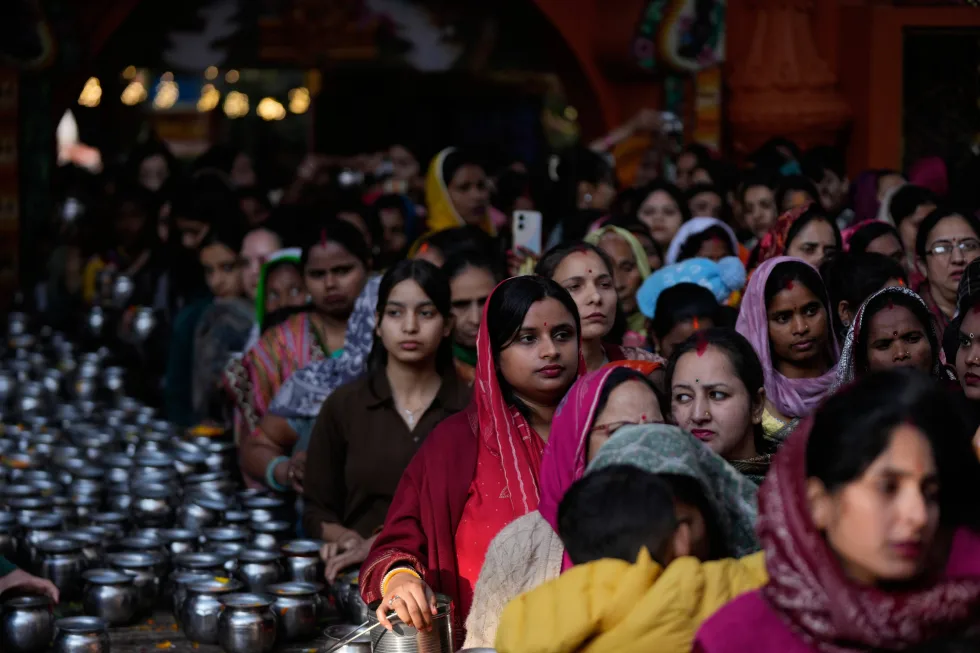
On Sunday, as tens of thousands of devotees lined up to pray at the Pashupatinath temple for the Shivaratri festival, another kind of worship unfolded on the hillside.
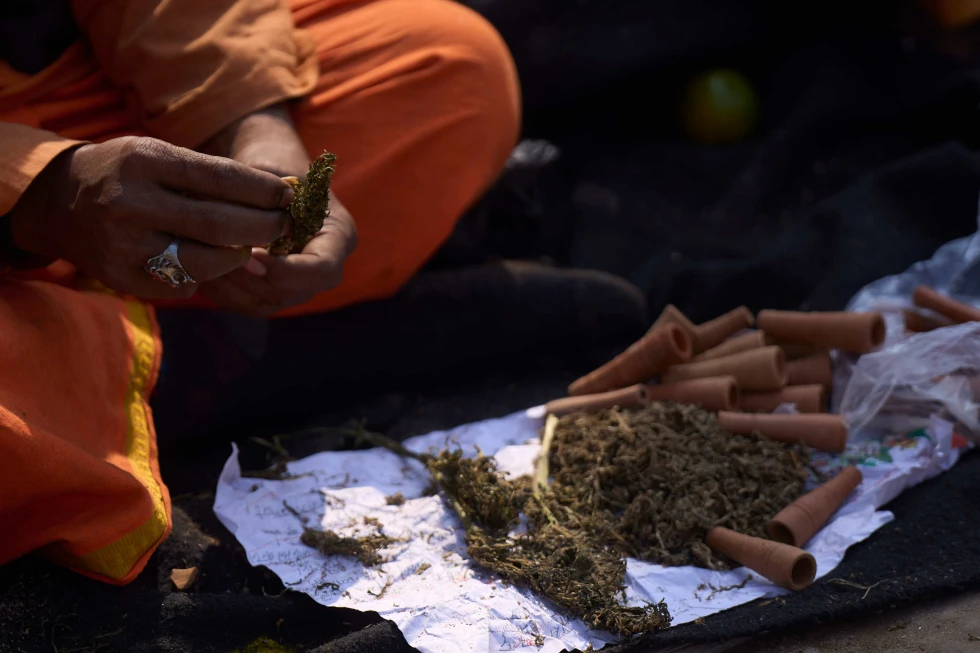
Hindu holy men, their bodies smeared in gray ash, sat in meditative circles, openly puffing on cannabis. They were joined by mostly young Nepali men—and some women—partaking in a substance usually banned across this South Asian nation.
But Shivaratri, the great night of the god Shiva, is the exception.
Shiva, one of Hinduism’s principal deities, has strong links to cannabis and has often been depicted smoking it. For one day each year, Nepal’s strict prohibition loosens, allowing devotees to honor their god with the herb they believe he loves.
At the temple complex itself, worshippers prayed and danced to religious songs, their devotion contained within the sacred walls.
Hindus constitute about 81% of Nepal’s population, and the Pashupatinath temple stands as one of their holiest sites. Devotees from neighboring India also made the pilgrimage to Kathmandu for the festival.
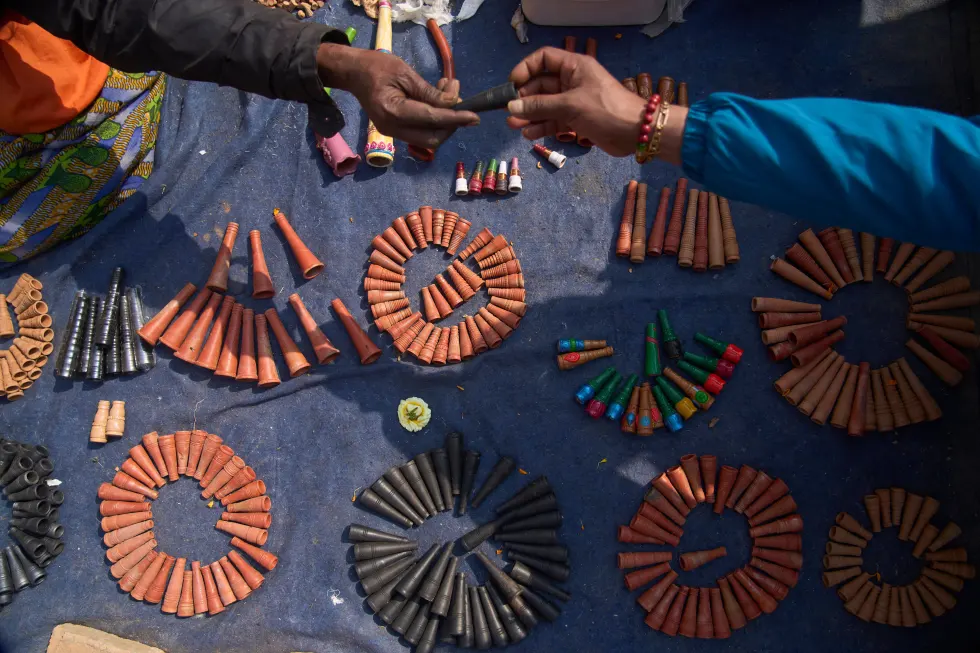
Across the river, the atmosphere was looser, smokier. Holy men with ash-smeared faces passed pipes. Young men laughed and coughed. The smoke curled upward, carrying prayers of a different kind—to a god who, tradition holds, is listening.
By James Kisoo