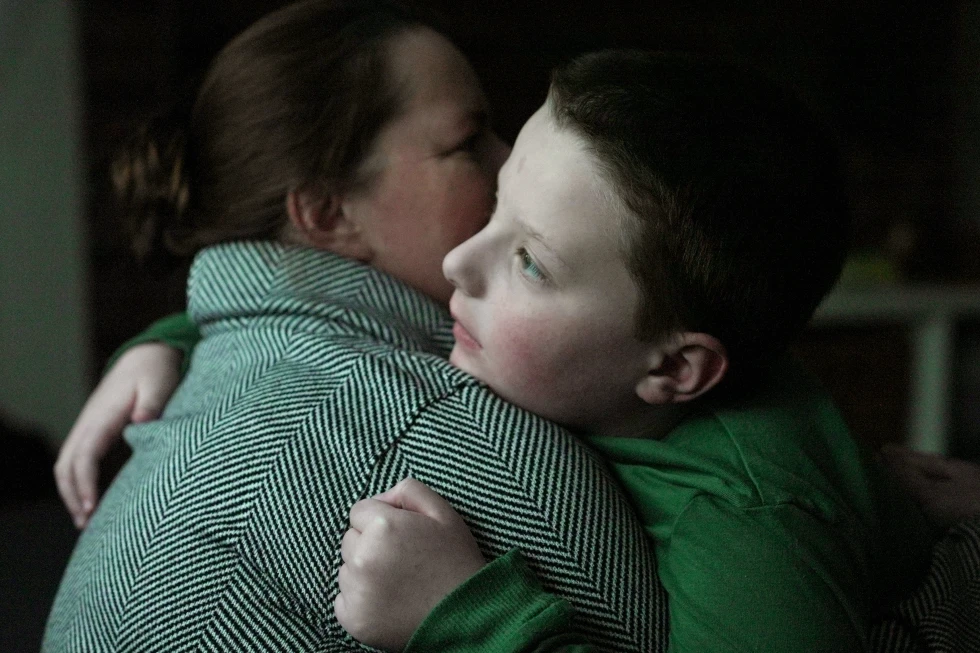
AYER, Mass.
Connor Murphy walked in circles around his dad, tracing the same path across the kitchen floor. Then he flopped down. Then he got up and walked in circles again.
His father watched the repetitive motion not as a symptom, but as an opening.
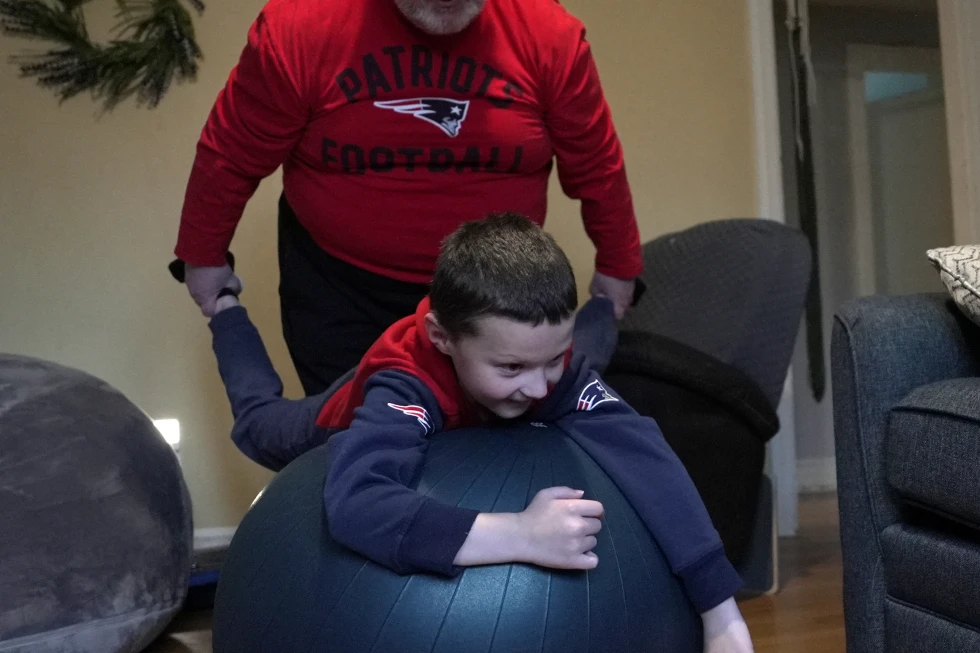
“Want me to pick you up?” Matthew Murphy asked, scooping up his 9-year-old, lifting him high, tickling him, spinning him until Connor’s face broke into a smile.
In the Murphy household, these spontaneous moments of connection are the rhythm of daily life. Everything revolves around Connor and his twin brother, Ronan. Both boys have profound autism.
“They’re going to need 24-7 care for the rest of their lives,” their father said. “Life will be a challenge for them, and we have to prepare them as best we can.”
The boys are at the center of a growing debate within the medical community. Autism rates have been rising for decades, but two trends have, in a strange twist, shifted focus away from those with the most severe needs.
The diagnosis of autism spectrum disorder, adopted in 2013, is now very broad, encompassing many people with low support needs. Meanwhile, better awareness has led to more children being diagnosed than ever—but most of those cases are relatively mild.
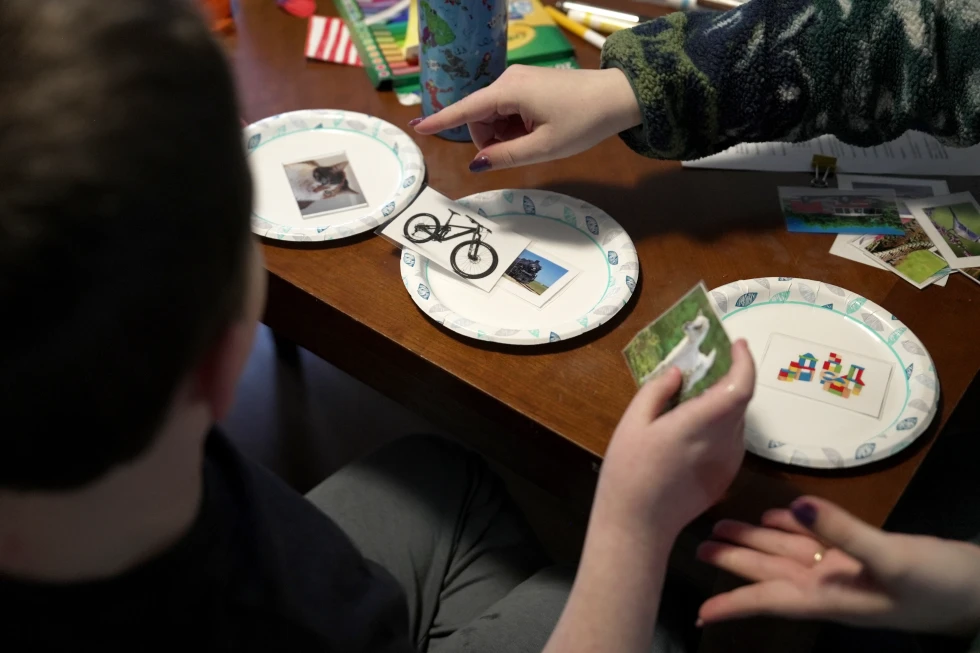
For families like the Murphys, the question is whether the system can see—and serve—those at the far end of the spectrum. The boys may never live independently.
They may never speak in full sentences. But in their kitchen, in the circles and the tickles and the spinning, there is love. And there is a plea: don’t forget about us.
By James Kisoo