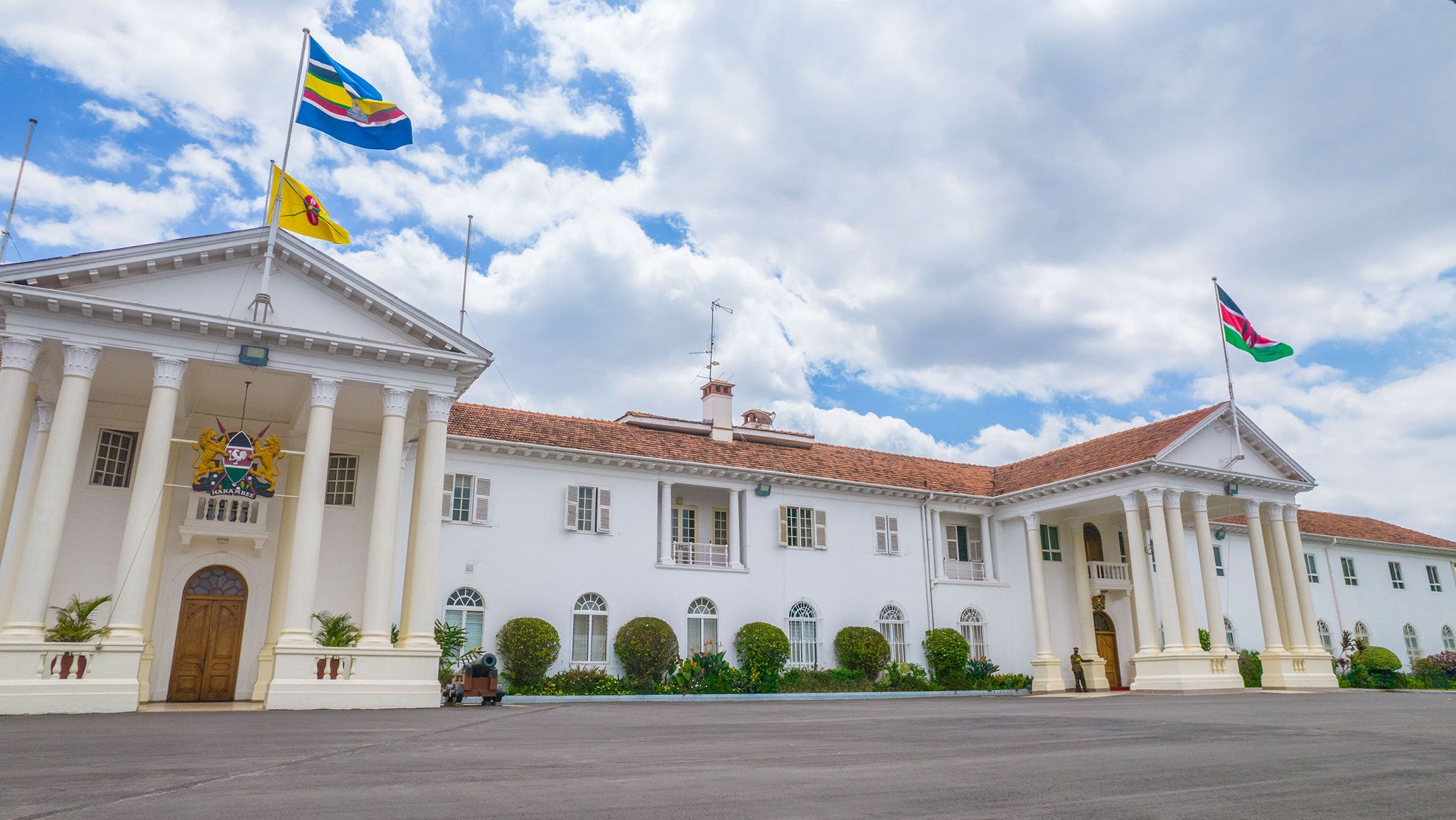
State House has spent Ksh 10.4 billion on its recurrent budget in the first seven months of the 2025/26 financial year, surpassing the full-year allocation of Ksh 7.7 billion.
This means the President’s office has already used more than 135 per cent of its annual recurrent funds with five months remaining before the fiscal year ends on June 30.
Recurrent expenditure covers essential day-to-day operations, including domestic and foreign travel, fuel, hospitality, maintenance, staff allowances, and administrative support. January alone saw a sharp spike, with Ksh 1.3 billion spent in the month, averaging more than Ksh 42 million per day.
“The surge in expenditure complicates fiscal planning and forces unanticipated reallocations,” the National Treasury said, noting that exceeding budget ceilings this early makes financial management more difficult.
The Office of the Deputy President has also exceeded its full-year recurrent allocation, overspending by Ksh 361.6 million. The two executive offices are the only government entities reported to have breached their annual ceilings this early in the financial year.
Financial analysts warn that early overspending reduces flexibility later in the year, especially if government revenues underperform. In response, the government is preparing a Ksh 262.9 billion supplementary budget to cover rising costs and revenue shortfalls.
Under the supplementary estimates, total government spending is set to rise to Ksh 4.532 trillion, up from the original Ksh 4.269 trillion approved by Parliament. Of this, recurrent spending will increase by Ksh 204.6 billion to Ksh 3.338 trillion, while development spending will rise by Ksh 58.3 billion to Ksh 707.3 billion.
The Controller of Budget has previously warned that rising recurrent costs, including salaries, allowances, debt repayment, and operational expenses, continue to squeeze funds for development, infrastructure, social programs, and county transfers.
The first half of the financial year has already seen spending on operations, maintenance, and debt servicing exceed projections, raising concerns about fiscal discipline and resource allocation for the remainder of the year.