By Andrew Kariuki
A developing water crisis in Wajir North Sub-County has sparked criticism over the handling of a borehole project, with concerns raised about alleged political interference in the allocation of resources.
2027 Airbase Ward MCA aspirant Abdiwahab Mohamed Nurow has publicly criticised the decision making process surrounding the project, arguing that technical recommendations were overlooked in favour of political considerations.
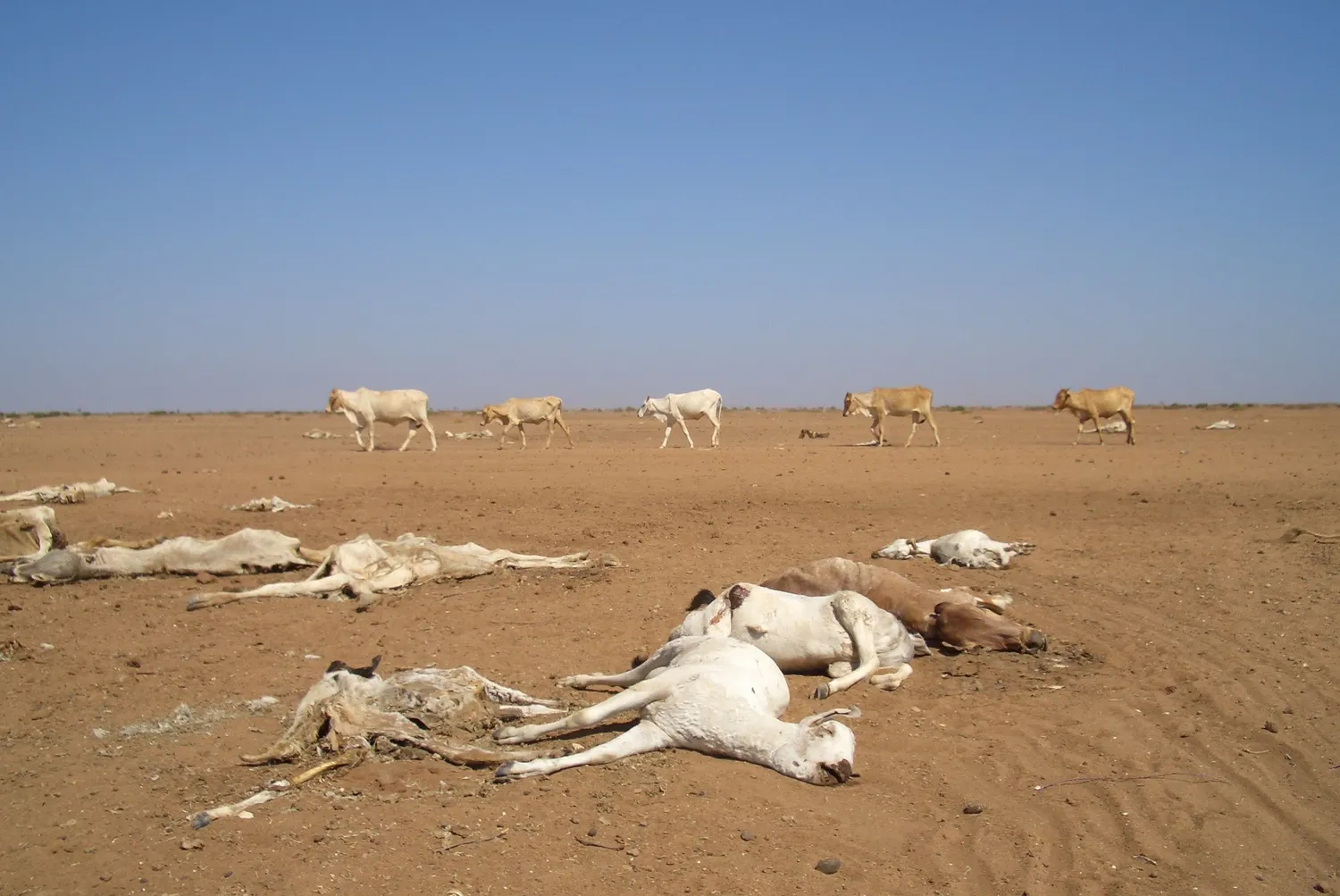
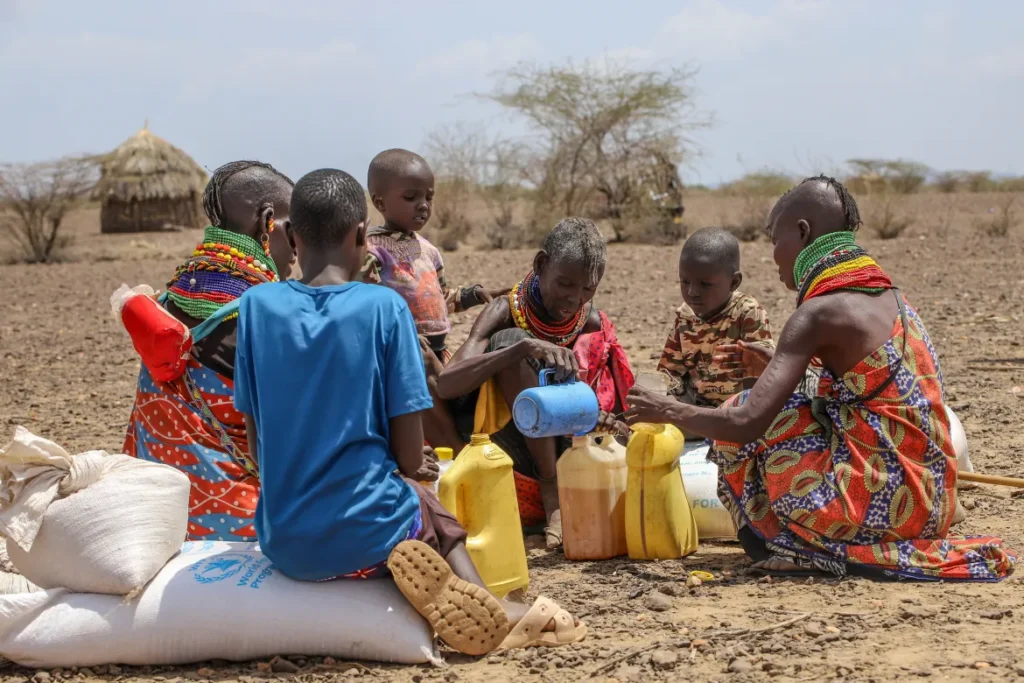
According to Nurow, prolonged drought has severely affected communities in Bute and surrounding areas, creating an urgent need for sustainable water solutions.
He noted that a borehole initiative supported through humanitarian efforts, including involvement by the Kenya Red Cross, was intended to address the crisis.

He stated that a professional geological survey had identified viable water sources in Jima, near an old non-functional borehole, as well as in Bute Goda, both of which were said to have sufficient water capacity to serve the affected population.
However, Nurow alleged that instead of prioritising these recommended sites, the project was redirected to Buriga, a move he attributed to political considerations.
He further claimed that drilling at the alternative site reached depths of up to 400 metres without yielding water, leading to stalled progress despite the investment of resources.
“As a result, resources have been spent and expectations raised, yet the community remains without a reliable water supply,” he said.
Nurow emphasised that leadership decisions should be guided by expert advice, particularly in humanitarian interventions, warning that political influence could undermine effective service delivery.
He also called for greater transparency and accountability in the implementation of public projects, stating that residents of Wajir North deserve solutions that address their immediate needs.
The concerns raised highlight ongoing challenges in balancing technical planning and political decision making in the delivery of essential services in arid and semi-arid regions.