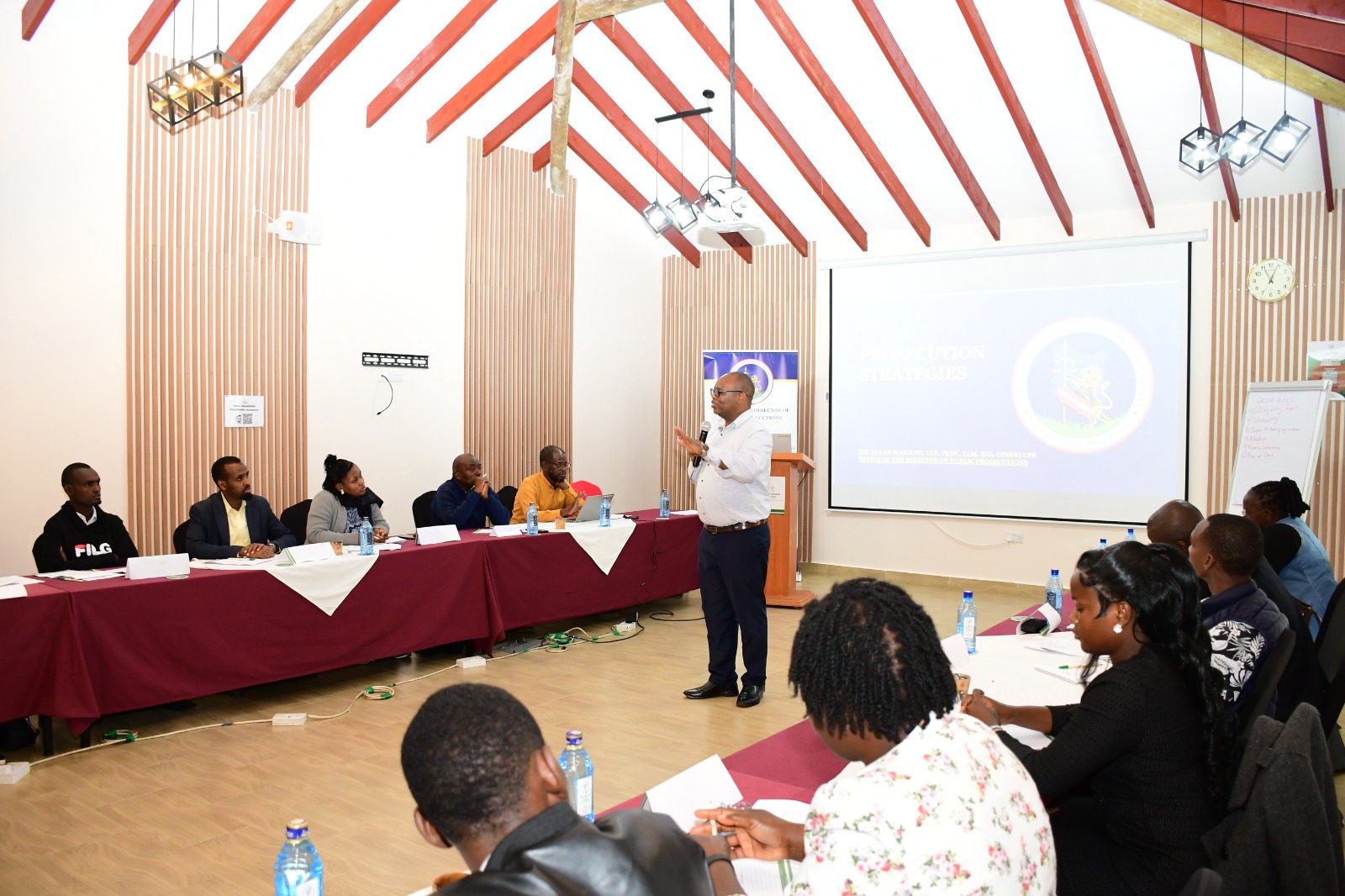
The Office of the Director of Public Prosecutions (ODPP) conducted a five-day training for Corporate Services Staff on Counter Financing of Terrorism (CFT) under the theme “Strengthening Administrative Systems to Support Counter Financing of Terrorism Prosecutions” at Maanzoni Lodge in Machakos County.
The training, held from 9th to 13th March 2026, aimed at equipping staff with the knowledge and administrative skills necessary to support terrorism and terrorism financing prosecutions through effective case management, documentation, and inter-agency coordination.
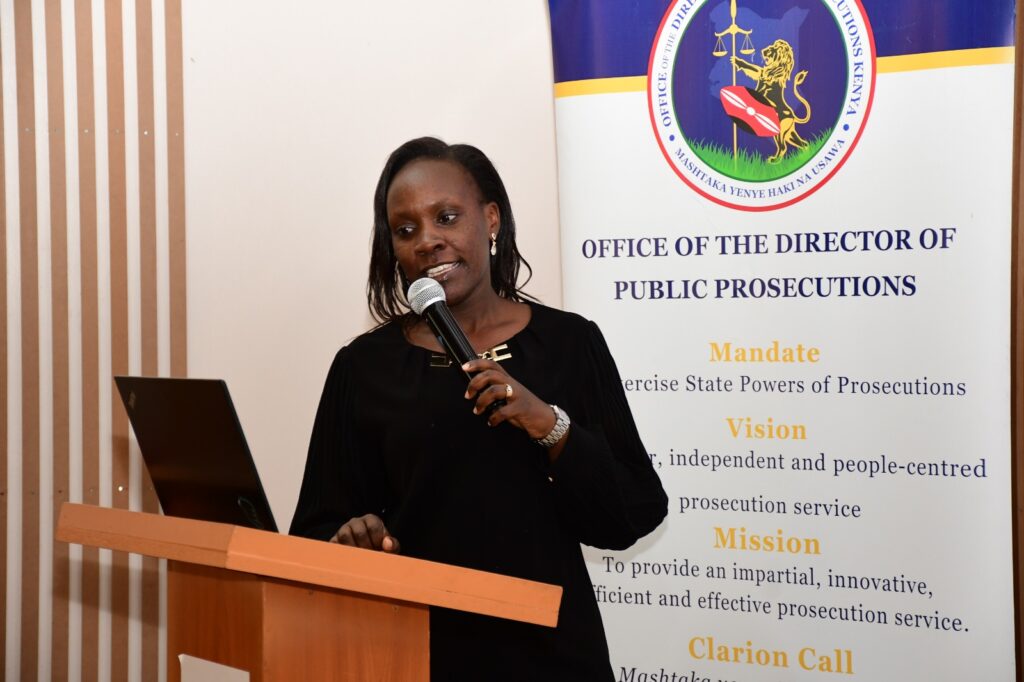
In her closing remarks, Deputy Director Administration Ms. Mary Asava expressed gratitude to the Director of Public Prosecutions for initiating the training programme, noting that it had significantly enhanced the capacity of Central Facilitation Services (CFS) staff in supporting Counter Terrorism matters.
She urged participants to cascade the knowledge gained during the week-long training to colleagues at their respective workstations. Ms. Asava also encouraged them to remain vigilant and well-informed on counter-terrorism issues, expressing confidence that the training had equipped them with the necessary knowledge and understanding of the processes involved in handling CT matters.
In his opening remarks, the Assistant Director of Public Prosecutions and Head of the Counter Terrorism Division, Mr. Allan Mulama, outlined the key objectives of the training. He noted that the programme was designed to provide participants with a foundational understanding of terrorism and terrorism financing, enhance knowledge of the legal framework governing such offences, and strengthen administrative processes that support prosecution of terrorism-related cases.
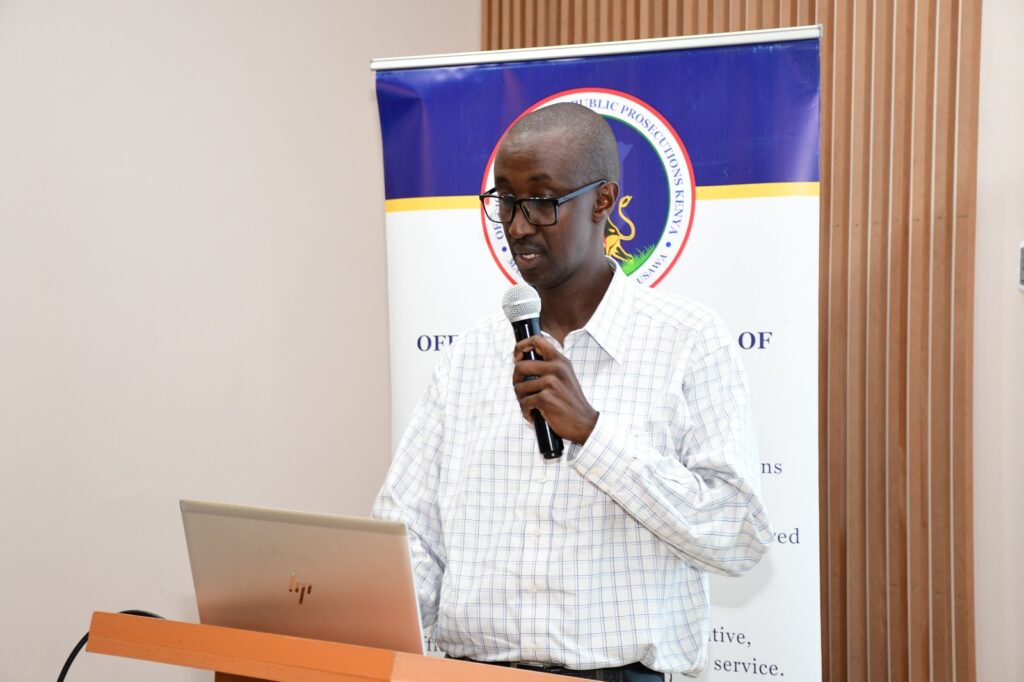
Mr. Mulama further emphasized the importance of improving accuracy, compliance and security in file handling, strengthening court reporting and documentation standards, and enhancing digital competency in the management of terrorism-related case files.
During the training, Assistant Director of Public Prosecutions Mr. Duncan Ondimu, OGW, delivered a presentation on the legal framework governing counter-terrorism in Kenya. He outlined key statutes, including the Constitution of Kenya 2010, the Prevention of Terrorism Act No. 30 of 2012, the National Intelligence Service Act No. 28 of 2012, the Witness Protection Act No. 17 of 2014, as well as the Penal Code, the Criminal Procedure Code Chapter 75, Laws of Kenya and the Evidence Act Chapter 80, Laws of Kenya.
Mr. Ondimu further highlighted several offences under the Prevention of Terrorism Act, including soliciting or providing support to terrorist groups, facilitating the commission of terrorist acts, harbouring or concealing persons suspected of involvement in terrorism and providing weapons or other resources to terrorist organizations, among other related offences.
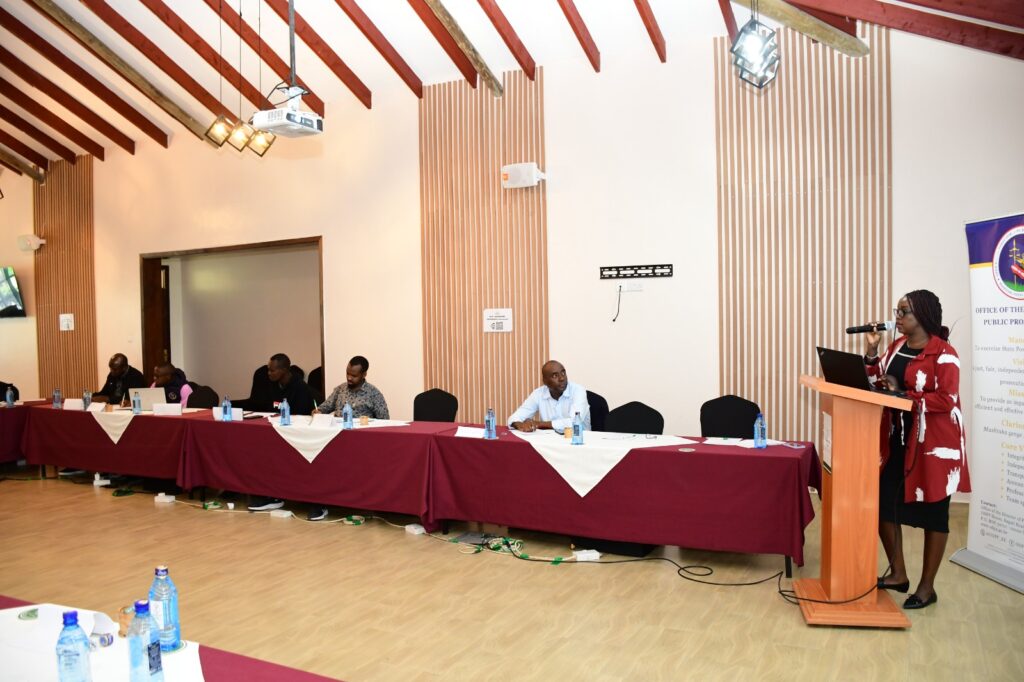
Assistant Director of Public Prosecutions Dr. Allan Wanjohi from the Prosecution Training Institute delivered a presentation on prosecution strategies, where he guided participants through the role of prosecutors in the trial process. He highlighted key responsibilities, including appearing in court, pleading and representing the State in criminal proceedings at both the trial and appellate levels.
Dr. Wanjohi also discussed prosecutorial powers in addressing transnational organized crime, noting that Article 26(3) requires State Parties to consider the possibility of granting immunity from prosecution to individuals who provide substantial cooperation in the investigation or prosecution of offences covered under the convention. In addition, he addressed critical aspects of the prosecution process including plea bargaining, witness protection, sentencing and confiscation, as well as factors considered in mitigation during sentencing.
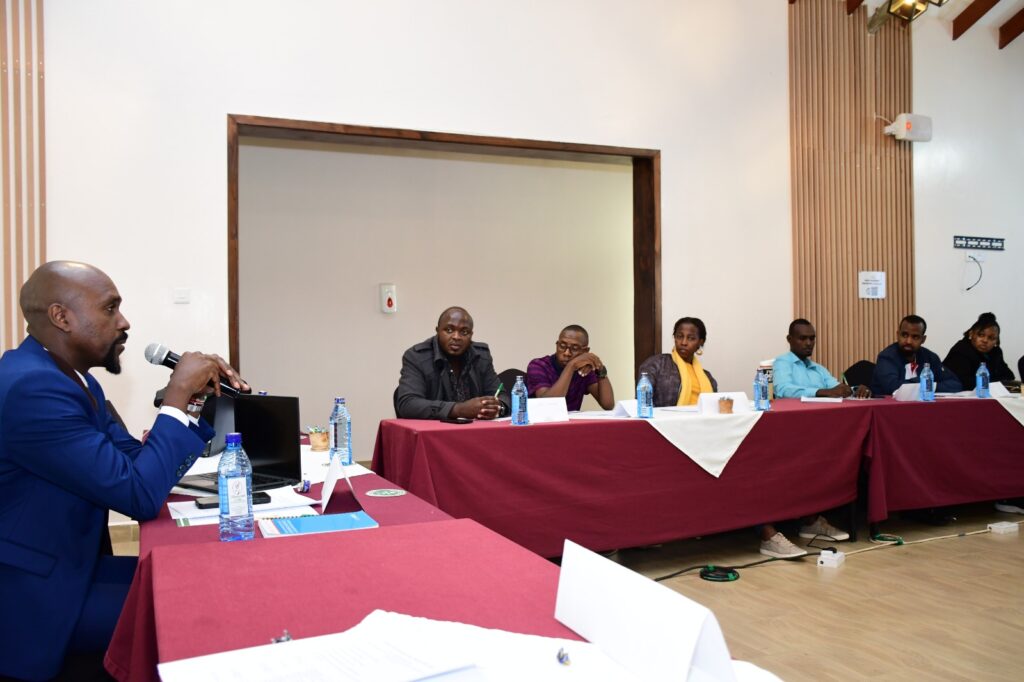
He also made a presentation on the importance of maintaining a proper chain of custody in evidence management. He noted that it involves a chronological and documented record of the collection, handling, transfer, analysis, and storage of evidence to ensure its integrity and authenticity in court.
Principal Prosecution Counsel (PPC) Mr. Harrison Kiarie facilitated sessions on the introduction to terrorism and terrorism financing, as well as the legal framework governing counter-terrorism in Kenya. He also provided historical context on the development of the country’s counter-terrorism laws and guided participants through case studies drawn from terrorism prosecutions.
Prosecution Counsel Dr. Marcella Odero delivered a presentation on the history and evolution of terrorism in Kenya, highlighting key incidents such as the 1998 US Embassy bombing, the Westgate Mall attack, the Garissa University attack, and the DusitD2 attack, while underscoring the country’s resilience and lessons learned in counter-terrorism efforts.
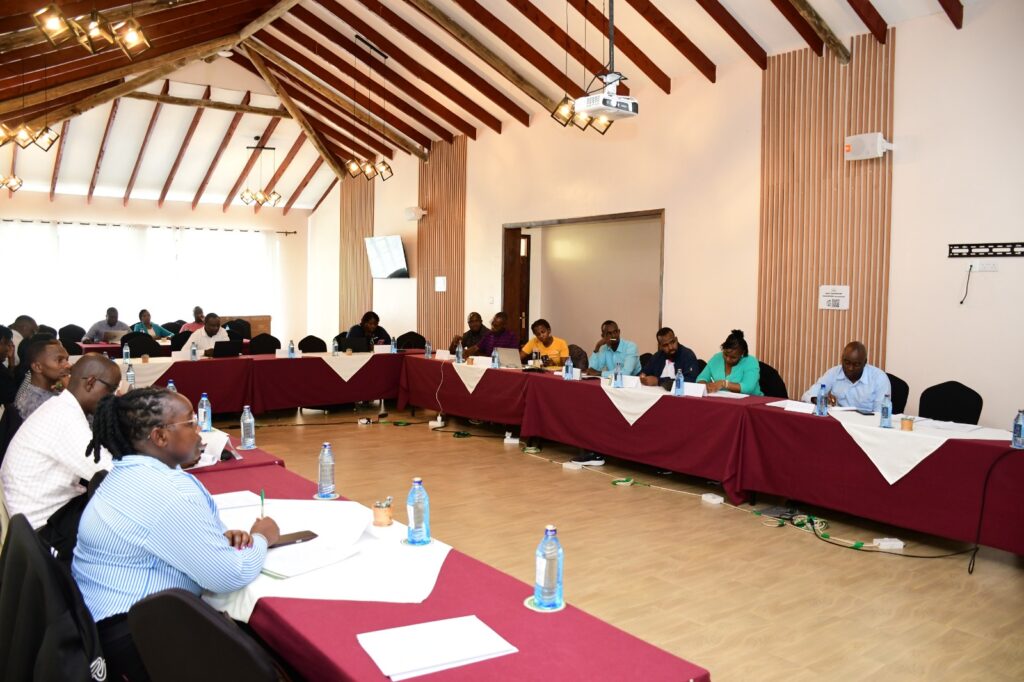
Principal Prosecution Counsel Ms. Peris Bosibori discussed the stages of terrorism financing, including the raising, storage, movement and utilization of funds. She also highlighted critical indicators that may emerge during investigations such as financial records, mobile money transactions, identification documents, vehicle ownership records, travel documents and employment records.
Other facilitators included Ms. Agatha Abang, PPC, who made a presentation on the role of the CFS staff in countering financing of terrorism prosecution; Mr. Danson Kagwe, Principal Clerical Officer, and Ms. Grace Guyatu, ICT Officer, who took the participants through case intake, file management, and the Case Management System (Uadilifu).
By Anthony Solly