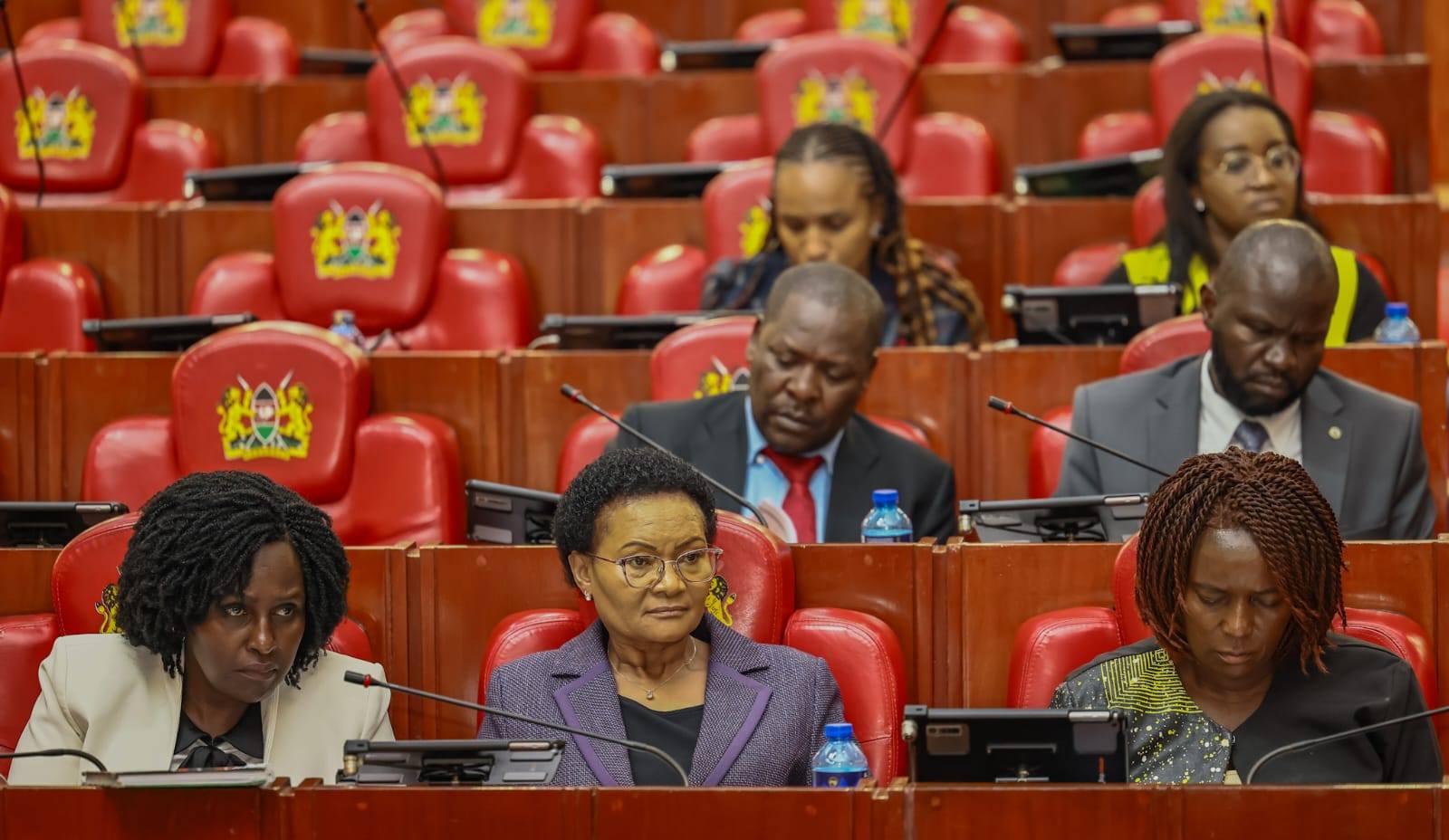
The Teachers Service Commission has warned of a KSh1.4 billion shortfall in funding for teachers’ medical cover under the new Social Health Insurance Fund (SHIF), raising concerns over continuity of healthcare services for educators across the country.
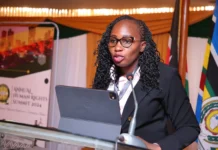
Appearing before the National Assembly Education Committee chaired by Hon. Julius Melly, TSC Acting CEO, Ms. Evelyn Mitei said the Commission is grappling with a significant financing gap following the transition from the Minet medical scheme to the Social Health Authority (SHA).
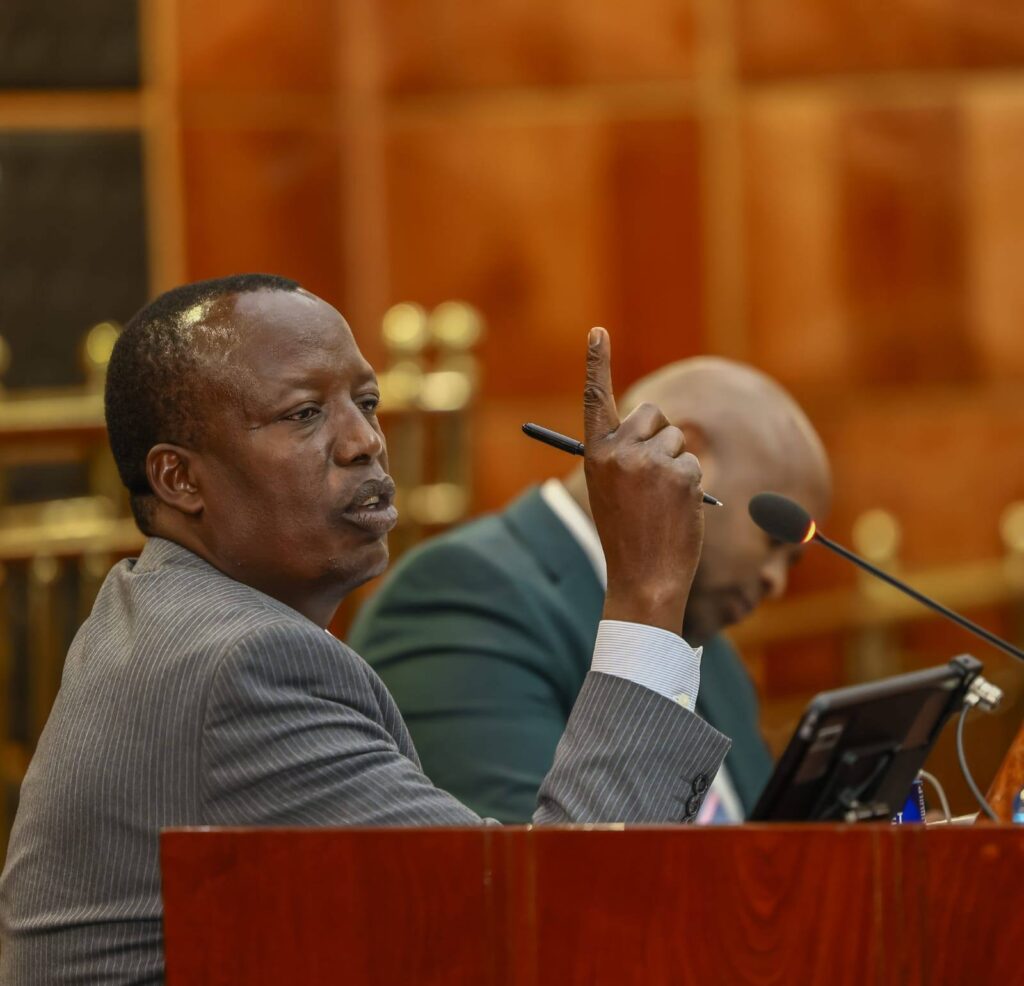
“As at December 31, 2025, the outstanding bill for teachers’ medical cover under the previous Minet scheme stands at KSh7.448 billion,” said the CEO. “For the current seven-month period under SHA, we require KSh8.9 billion, but we have only been able to access KSh7 billion under Article 223, with a supplementary allocation of KSh7.5 billion. This leaves a funding gap of KSh1.4 billion.”
The disclosure came as MPs scrutinised TSC’s Supplementary Estimates I for the 2025/26 financial year, which have been revised upwards by KSh21.18 billion to KSh407.69 billion from the initial KSh386.51 billion.
A bulk of the additional allocation KSh12.86 billion has been earmarked for teachers’ salaries, while KSh7.5 billion will go towards the medical scheme under SHA. Other allocations include KSh480 million to cover deficits in stipends for teacher interns, KSh235 million for secretariat staff medical cover, and KSh106 million to enhance field operations.
Committee Members, however, raised concerns over the sustainability of the medical scheme, warning that underfunding could disrupt access to healthcare for teachers.
TSC officials admitted that the shortfall could affect service delivery, particularly if hospitals experience delays in reimbursements from the insurer.

The Commission also revealed that it made its first withdrawal of funds under Article 223 on March 5, 2026, to settle payments to the Social Health Authority for teachers’ medical cover.
Beyond the health scheme, the supplementary estimates are expected to impact key performance targets. TSC has revised its recruitment of intern teachers upwards from 20,000 to 24,000 in a bid to address staffing gaps, particularly in junior secondary schools.
Similarly, the number of field officers trained on discipline management has increased, while more staff are set to benefit from capacity-building programmes across the Commission.
Lawmakers pressed the Commission to address persistent systemic challenges, including delays in pension payments, understaffing in field offices, and inequities in teacher transfers.
By Anthony Solly