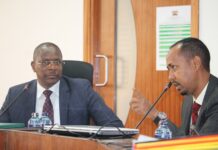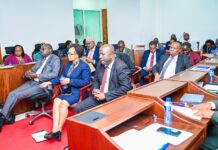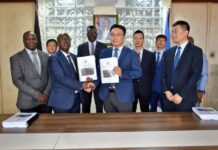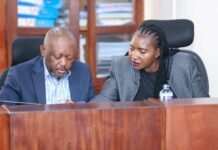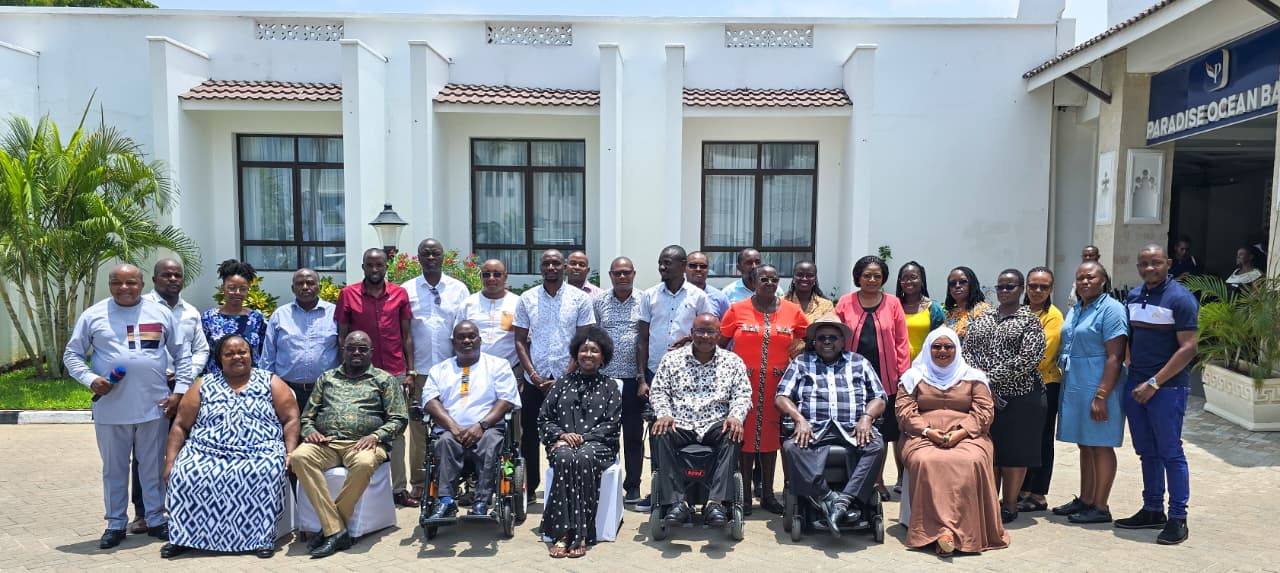
The Kenya Disability Parliamentary Association (KEDIPA), chaired by Hon. Timothy Wanyonyi (Westlands), has brought to the fore a more urgent and progressive conversation on disability inclusion. The strategy is to dismantle entrenched systemic, legislative and societal barriers that continue to limit equitable participation.
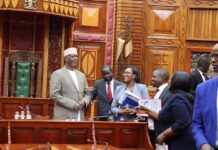
The Deputy Speaker of the National Assembly, Hon. Gladys Boss officially opened the retreat representing the Speaker, Rt. Hon. (Dr.) Moses Wetang’ula, with a firm stance: inclusion must be reimagined not as compliance, but as an intentional redesign of opportunity.
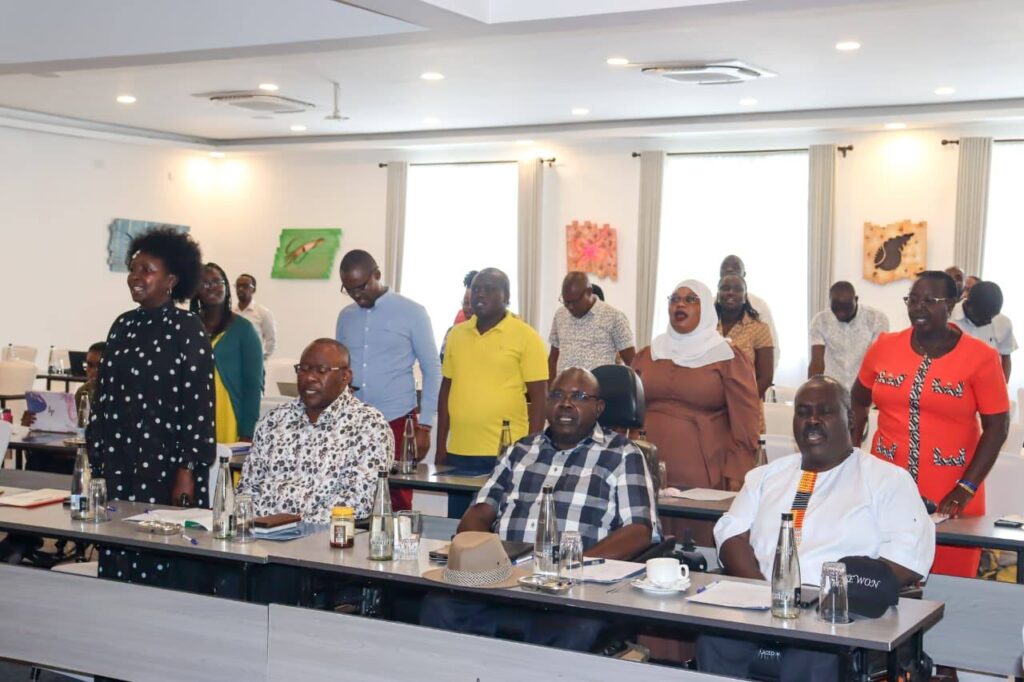
At the centre of discussions is the growing recognition that while progress has been made, particularly through the enactment of the Persons with Disabilities Act, 2025, significant gaps remain in implementation.
Leaders acknowledged that legislation alone is insufficient if it does not translate into lived realities in sectors such as education, employment, healthcare and public service.
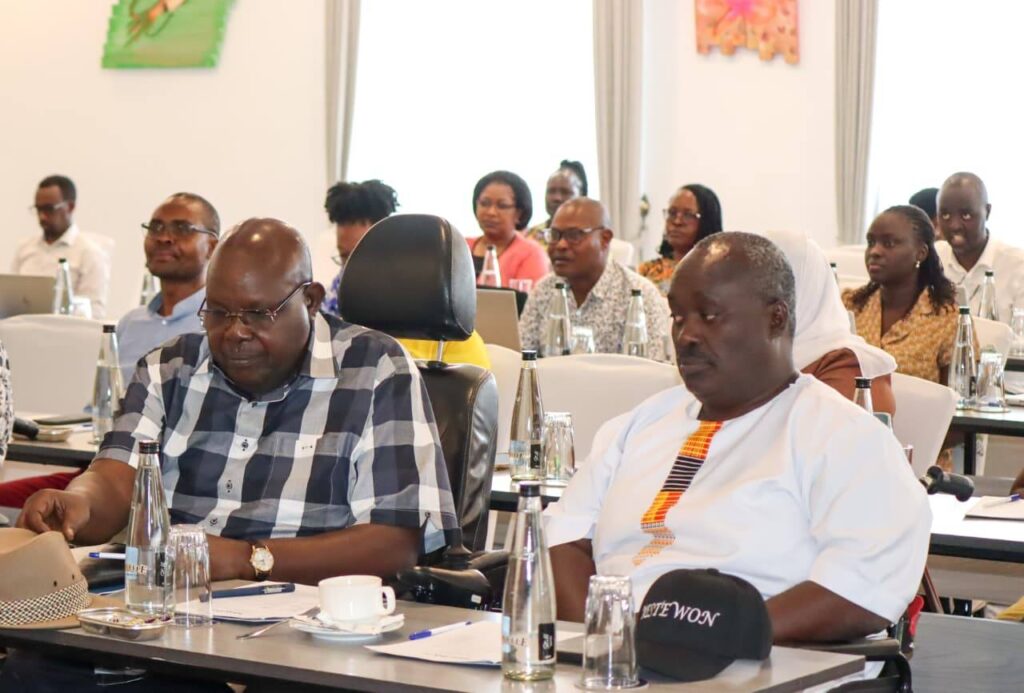
Hon. Wanyonyi highlighted strides made within Parliament itself, where targeted investments in accessibility, supported through partnerships such as the Commonwealth Parliamentary Association, are enabling Members with disabilities to perform their roles more effectively. However, he emphasized that true inclusion must be embedded across all institutions, with Parliament setting the pace.
A key emerging issue is the need to institutionalize disability inclusion within the legislative process. KEDIPA has proposed the introduction of a disability impact assessment for all Bills: an approach that would ensure laws are interrogated for their effect on persons with disabilities before enactment. This signals a shift towards proactive, rather than reactive, lawmaking.
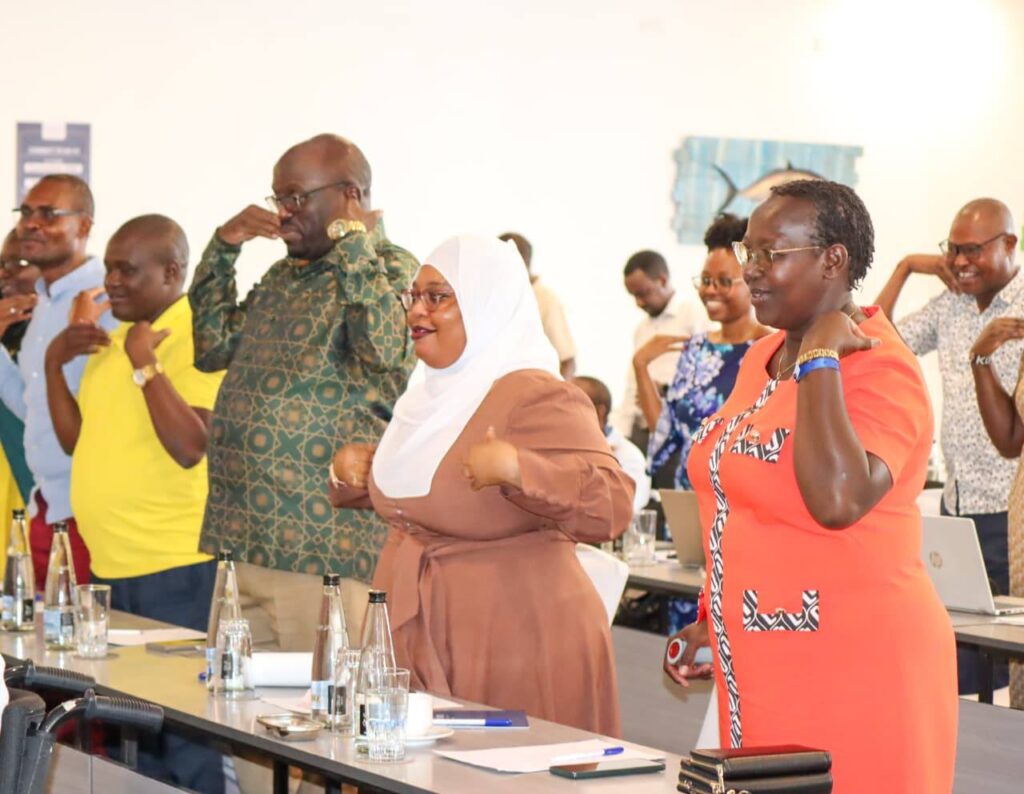
Equally critical was the call to dismantle outdated and exclusionary policies, particularly in recruitment frameworks. Hon. Gladys Boss questioned rigid criteria such as physical attributes in recruitment processes that continue to lock out capable individuals from serving in sectors like security, urging institutions to align roles with ability and skill. She further shared on the importance shifting societal attitudes, such as raising awareness on issues such as cornea donation. Hon. Boss deemed this as a simple yet transformative act that can restore dignity and opportunity to others.
The retreat also spotlighted the need for sustained investment in KEDIPA’s own operational capacity, with calls for strengthened administrative and financial support to enable the Caucus to effectively drive oversight, policy dialogue and stakeholder engagement.
As the conversations deepen, KEDIPA will engage key institutions, including the Public Service Commission, Kenya Airports Authority, National Police Service, the Ministries responsible for Transport and Education, the State Department for Sports, and the Teachers Service Commission. The goal is to implement practical solutions that shift disability inclusion to measurable action and lived inclusion.
By Anthony Solly