By Peter John
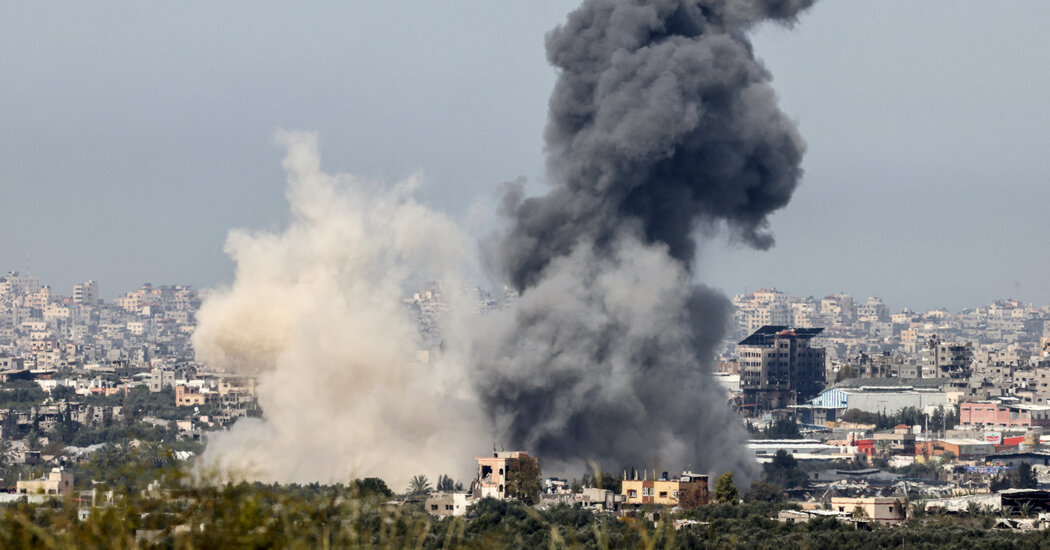
An Israel strike on Iran’s South Pars gas field on March 18, 2026, marked a dramatic escalation in the ongoing conflict between the two nations.
The attack targeted critical gas processing facilities, forcing a partial halt to production at the world’s largest natural gas field, which Iran shares with Qatar.
The strike has raised fears of a broader regional confrontation and sent oil and gas markets surging.
Iran swiftly retaliated by launching missile and drone attacks on energy infrastructure across the Gulf.
Major facilities in Qatar, Saudi Arabia, and the United Arab Emirates were hit, triggering fires and emergency shutdowns.
Tehran condemned Israel’s attack as reckless, while Gulf nations decried Iran’s retaliation as an assault on civilian infrastructure.
The disruption of key energy hubs and the threat to shipping routes near the Strait of Hormuz has heightened global market anxiety.
Crude oil prices jumped sharply, reflecting concerns over further instability in one of the world’s most important hydrocarbon regions.
Analysts warn that prolonged attacks on energy installations could have lasting consequences for global supply and prices.
In the United States, President Donald Trump issued a stark warning to Iran, threatening that further attacks on Gulf energy facilities would prompt the U.S. to “massively blow up” the remaining South Pars field.
Trump emphasized that the United States had not participated in Israel’s strike but would act decisively if Iran continued its aggression against Gulf allies.
The sequence of attacks marks a new phase in the conflict, where energy infrastructure has become a central target rather than a peripheral concern.
The confrontation underscores the fragility of regional stability and highlights the potential global ramifications if hostilities expand.
As tensions escalate, the international community faces mounting pressure to prevent further strikes that could destabilize both the Middle East and global energy markets.
With production halted in some of the region’s most vital gas and oil facilities, the situation remains volatile, and markets are likely to respond sharply to any new developments.