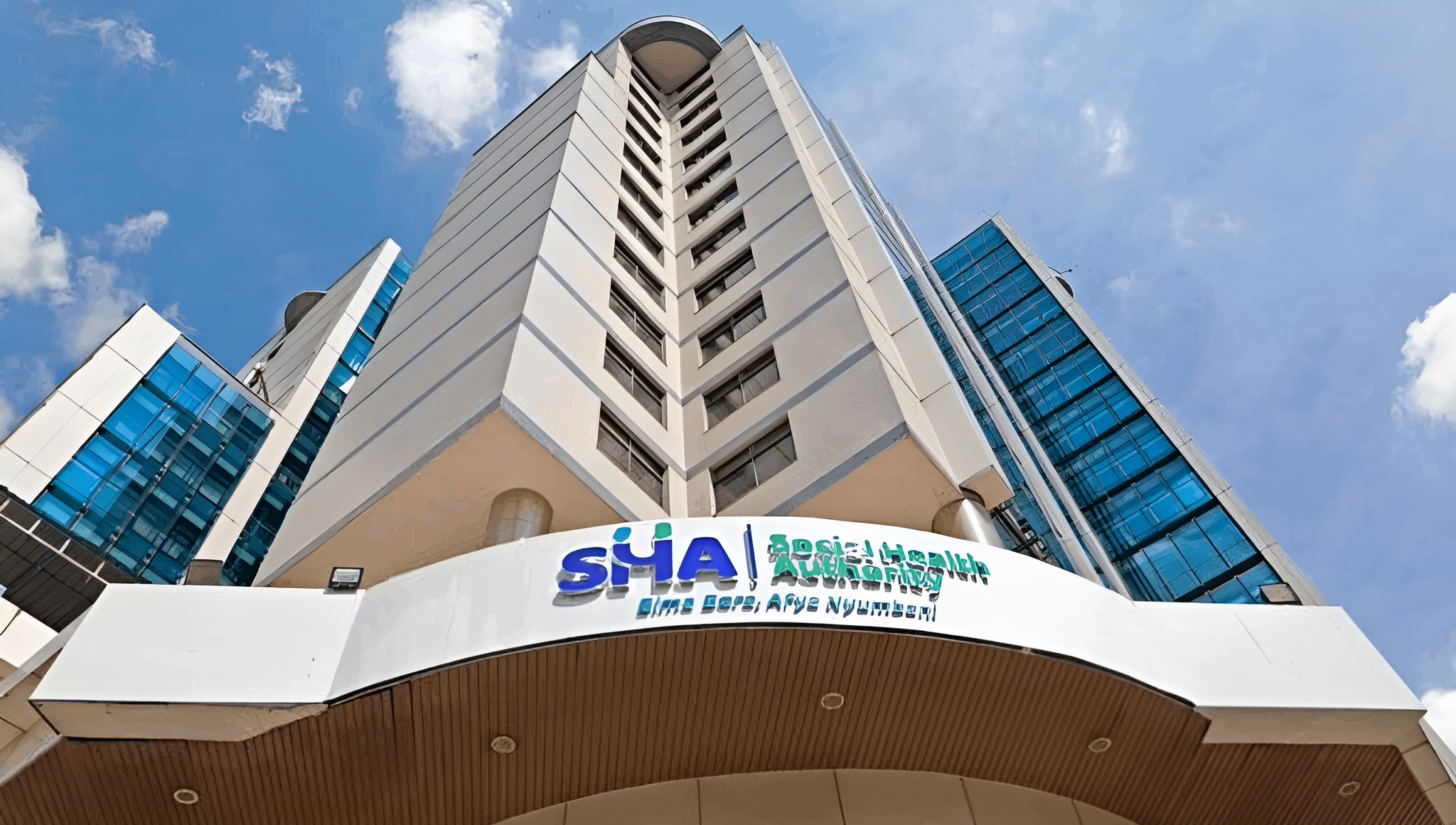
The Social Health Authority (SHA) has responded to allegations of ethnic imbalance in its workforce, assuring that its recruitment process adheres to inclusivity and national diversity standards.
Appearing before the Senate Standing Committee on National Cohesion, Equal Opportunity and Regional Integration on Tuesday, March 24, SHA CEO Mercy Mwangangi explained that the authority had maintained fair employment practices and ensured representation from communities across the country.
In the report submitted to the committee, SHA disclosed that its staff comprised individuals from 40 different ethnic communities.
“No single ethnic group exceeds the legal threshold of one-third of the total workforce, in line with the National Cohesion and Integration Act,” Mwangangi said.
The data further outlined the distribution of staff across various communities, with the largest representations being Kalenjin (17.7%), Somali (14.0%), Kikuyu (12.1%), and Kamba (10.5%).
Other groups include Kisii (6.4%), while Luhya and Luo communities each account for 7.8%.
Smaller communities, including minority and marginalized groups, are also represented.
“By incorporating staff from a wide range of communities, SHA aims to strengthen public trust, promote fairness in employment, and ensure that the institution mirrors the rich social fabric of the nation,” Mwangangi added.
This comes days after the National Assembly’s Departmental Committee on Health raised alarm over SHA funding shortfalls and premium contributions.
Speaking on Thursday, March 19, in Mombasa County, Seme MP James Nyikal, who chairs the committee, said the funding shortfall threatens the sustainability of the medical scheme.
Nyikal noted that the revenue collected by the authority is not enough to meet its expenses.
According to the MP, SHA collects about Ksh7.4 billion monthly but spends Ksh7.2 billion on its expenses.
“The revenue that the Social Health Authority collects for the three funds is really not enough to meet its expenses. As things stand now, they are barely getting what they need to run. We are likely to face an issue of sustainability,” the Seme lawmaker stated.
Nyikal linked the imbalance between revenue and expenditure in SHA to low participation from the informal sector, which is expected to contribute the bulk of funding under the Social Health Insurance Fund (SHIF).
“Those in formal employment remit their contributions directly through employers, and that has remained the main source of income. But we expect a larger portion to come from the informal sector, and this is where the challenge lies,” he added.
The Seme MP disclosed that about 29 million Kenyans have registered under the medical scheme, but only five million of them are actively paying premiums.
However, Nyikal defended the SHA model but pointed out gaps in the implementation of its medical scheme.
“My view about the whole thing, the design and the concept, is good. The problem we are going through is a problem of implementation,” he further said.