By Andrew Kariuki
The government has ordered a full-scale investigation into alleged irregularities in Kenya’s petroleum supply chain, leading to the resignation of several senior officials in the energy sector.
In a press release issued by the Executive Office of the President on April 4, 2026, authorities raised concerns over possible manipulation of fuel stock data, which is believed to have created a false impression of an impending fuel shortage.
According to the statement, the government had introduced a Government-to-Government (G2G) fuel supply framework in 2023 to stabilise fuel availability, reduce exposure to global price volatility and ease foreign exchange pressures experienced in previous years.

The framework, officials said, had ensured relatively stable fuel supply and consistent pump prices, even amid global disruptions and geopolitical tensions affecting the energy market.
However, despite the stability of supply, the President noted that certain officials responsible for managing the petroleum supply chain may have falsified data on in-country fuel stocks. The alleged misrepresentation is said to have been used to exploit market conditions and public anxiety.
The statement further indicated that the alleged manipulation led to the irregular procurement of an emergency fuel shipment by the Ministry of Energy and Petroleum. The cargo was reportedly acquired outside the established G2G framework, at prices higher than contracted rates and in breach of procurement procedures. It was also described as being of substandard quality.
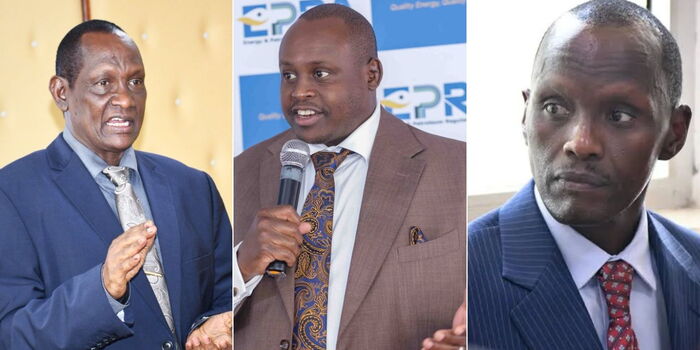
Authorities identified key offices linked to the matter, including the Principal Secretary for Petroleum, the Director General of the Energy and Petroleum Regulatory Authority (EPRA), and the Managing Director of the Kenya Pipeline Company (KPC).
Following the developments, Mohamed Liban resigned as Principal Secretary for Petroleum, while Joe Sang stepped down as Managing Director of KPC. Daniel Kiptoo Bargoria also resigned as Director General of EPRA.
The government also initiated administrative action against Joseph Wafula, Deputy Director of Petroleum and disciplinary proceedings against Joel Mburu, Supply and Logistics Manager at KPC.
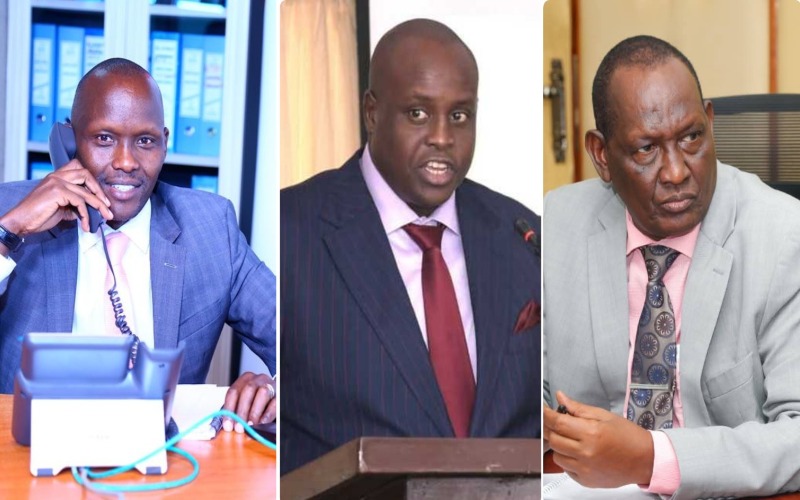
Investigative agencies have since taken over the matter and have already effected arrests of key officials as part of ongoing inquiries.
The government said investigations would continue to establish the full extent of the irregularities and ensure accountability for any economic crimes that may have been committed.
Officials further indicated that corrective measures would be implemented, including the review of irregular fuel procurement processes and alignment with the G2G framework.
The Executive Office of the President reaffirmed its commitment to safeguarding public resources and maintaining integrity in critical sectors, warning that any acts of economic sabotage would be met with firm action.