A war of words and blame game has emerged between members of parliament and oil markerters over hoarding of petroleum products that has pushed petrol and diesel prices to more than Sh 200 per litre.
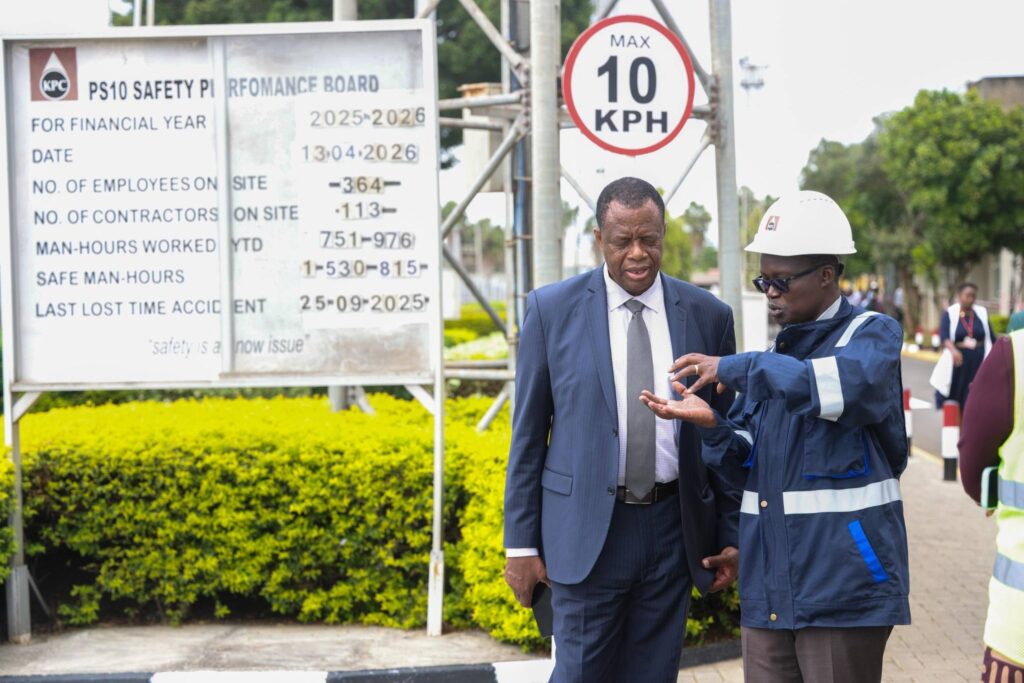
Members of the National Assembly’s Departmental Committee on Energy have declared that Kenya has sufficient petroleum reserves established during a visit to the Kenya Pipeline Company (KPC) depots across the country.
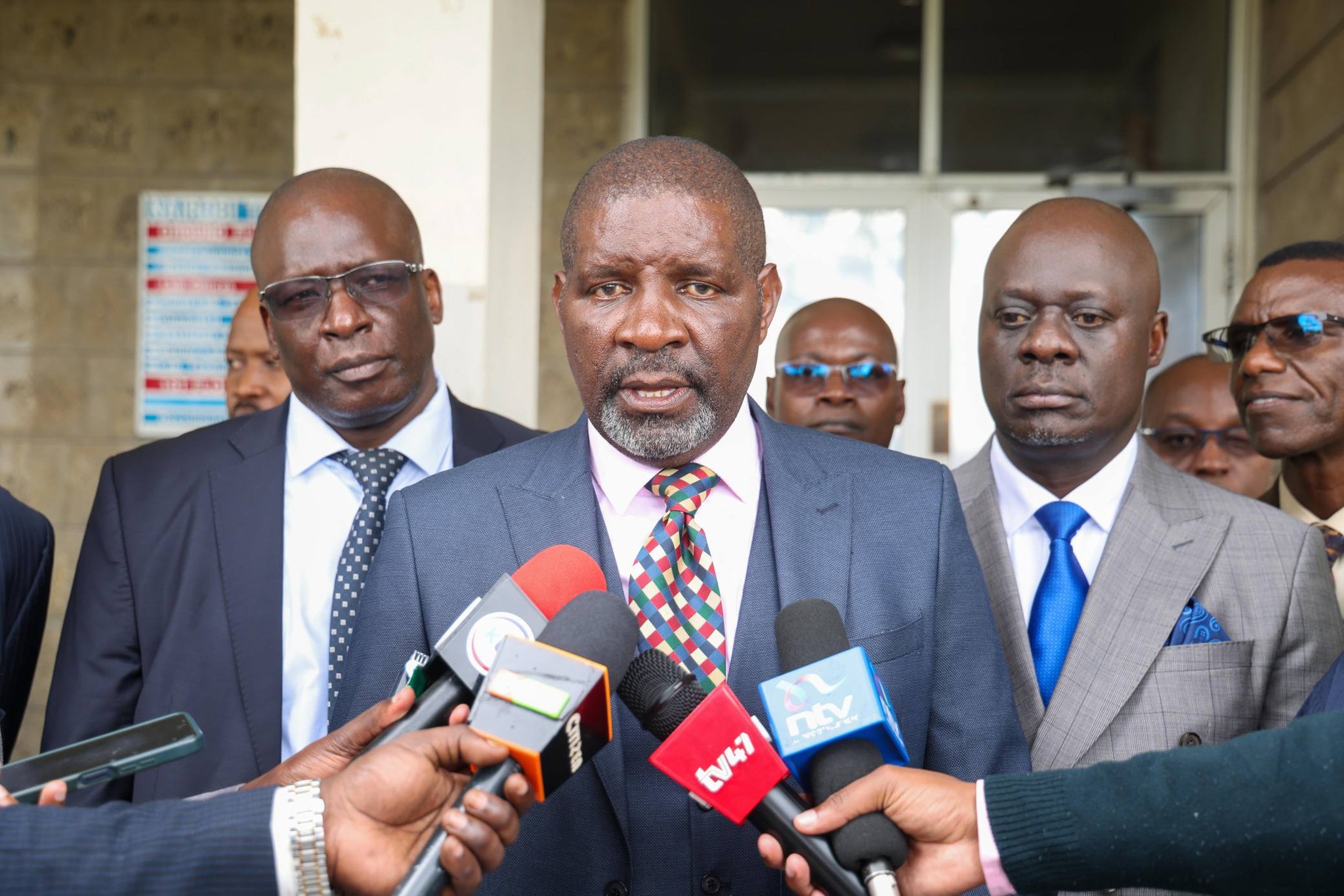
The MPs did not however provide figures to justify their claims but shared photos taken at the entrance of the depots.
In a move aimed at shifting blame to the oil marketers in a bid to alleviate public backlash, the MPs now accuse the business community of greed and unethical business practices in an industry which is fully liberalised.
The oil marketers are yet to respond to the unsubstantiated allegations by the Parliamentary committee.
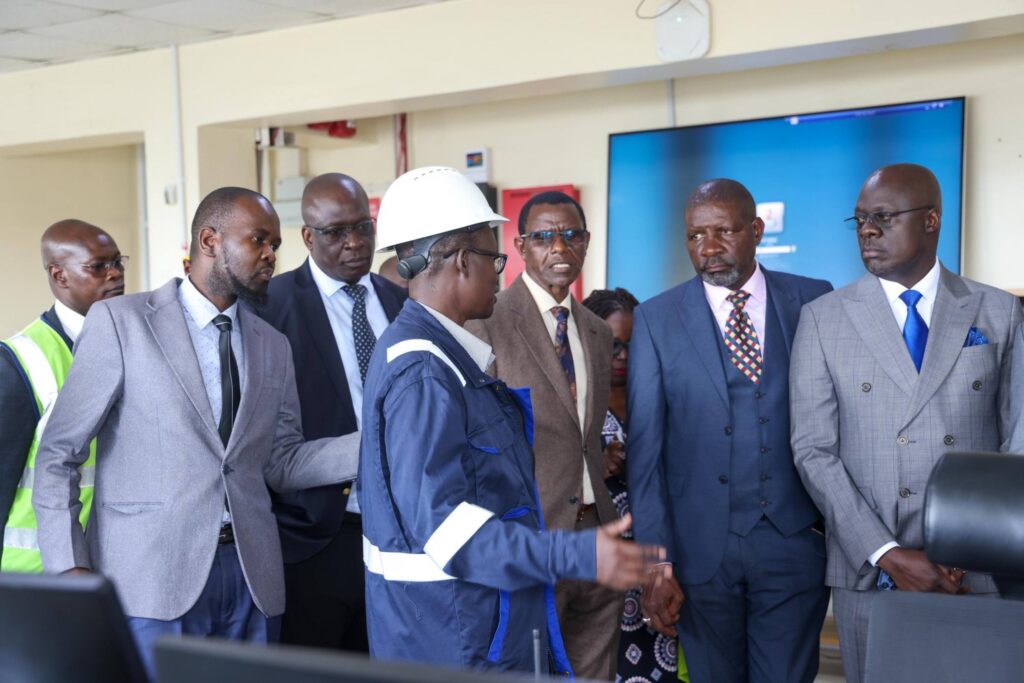
The Committee, chaired by Nakuru Town East MP David Gikaria, visited KPC headquarters in Nairobi to verify petroleum stock levels amid growing public concern over shortages reported across several regions.
During the visit, KPC’s technical team showcased real-time automated gauging systems used to monitor tank volumes at depots nationwide. In Nairobi, legislators observed tanks holding millions of litres, including a single diesel tank with 10 million litres and super petrol reserves exceeding 2.4 million litres. In Kisumu, officials reported super petrol stocks of over 11 million litres and nearly 23 million litres of diesel.
“We are satisfied that the country has enough fuel stock,” declared Gikaria, adding that the Committee witnessed petroleum products moving “in and out simultaneously,” an indication that the pipeline system is fully operational.
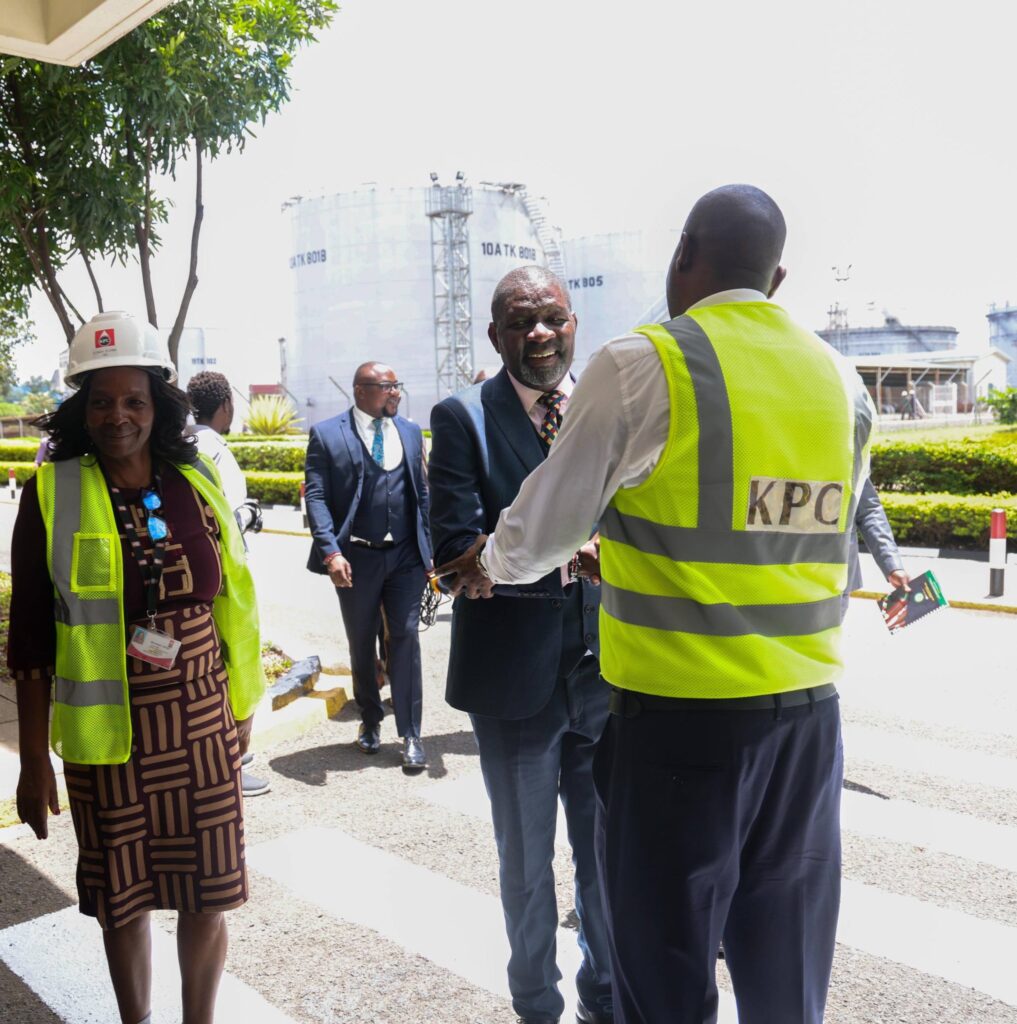
However, lawmakers raised concerns over the apparent disconnect between available stock at depots and the persistent shortages at retail stations. Awendo MP John Walter Owino challenged KPC officials to explain the situation in Nyanza.
“Currently, as we speak, there is no fuel in Kisii, Nyamira and Migori. Can you show us the tanks in Kisumu to verify that there is fuel?” he posed.
KPC officials subsequently demonstrated the Kisumu stock levels, satisfying the committee, though members remained concerned about distribution inefficiencies.
The Committee expressed frustration that fuel is not reaching petrol stations despite marketers having already paid for the product. Legislators warned that some oil marketers could be deliberately hoarding fuel in anticipation of price increases ahead of monthly reviews by the Energy and Petroleum Regulatory Authority (EPRA).
They proposed stringent penalties, including the revocation of operating licences for companies found culpable of hoarding or overcharging, and called for a review of the current legal framework, terming existing fines of between KSh 10,000 and Kshs 100,000 inadequate.
Concerns over fuel quality also emerged during the visit. Nyatike MP Tom Odege recounted a personal experience involving contaminated fuel.
“I recently filled at a station in Kisii, and out of 40 litres, it was water. I want to know who is responsible for the damage caused,” he said.
KPC management clarified that its responsibility ends at the point of discharge into tankers, advising consumers to report contamination cases to EPRA with proof of purchase for investigation and compensation.
On the issue of a rejected consignment of substandard diesel imported by One Petroleum, officials assured the committee that the cargo was never offloaded into KPC systems and had been ordered withdrawn.
As EPRA prepares to announce new fuel prices, the committee underscored the need to utilise the Petroleum Development Levy to cushion consumers from global price shocks.