One Petroleum Limited has broken its silence over allegations linked to the recent substandard fuel scandal, insisting that all its actions were lawful and undertaken at the request of the Kenyan government.
In a statement on Friday, April 24, the company said it had initially chosen not to publicly respond but now felt compelled to address what it described as misinformation surrounding the matter.
“One Petroleum has, until now, chosen to let its actions speak for themselves. We are confident that everything we did was lawful, proper, and in direct response to requests from the Kenyan Government
“However, the campaign of defamatory misinformation – including today’s article in The Standard – has gone too far. We will not allow an unjustified narrative to stand unchallenged,” the statement read.
According to the company, the matter began on March 18, when the Ministry of Energy convened an industry meeting to discuss petroleum stock levels, during which concerns were raised over the need to boost operational fuel reserves.
One Petroleum said that on March 19, the ministry wrote to it and other suppliers seeking bids for an emergency cargo ranging between 35,000 and 85,000 metric tonnes of petroleum.
The company explained that due to heightened global demand caused by the ongoing Middle East conflict, available shipments were scarce and carried higher premiums.
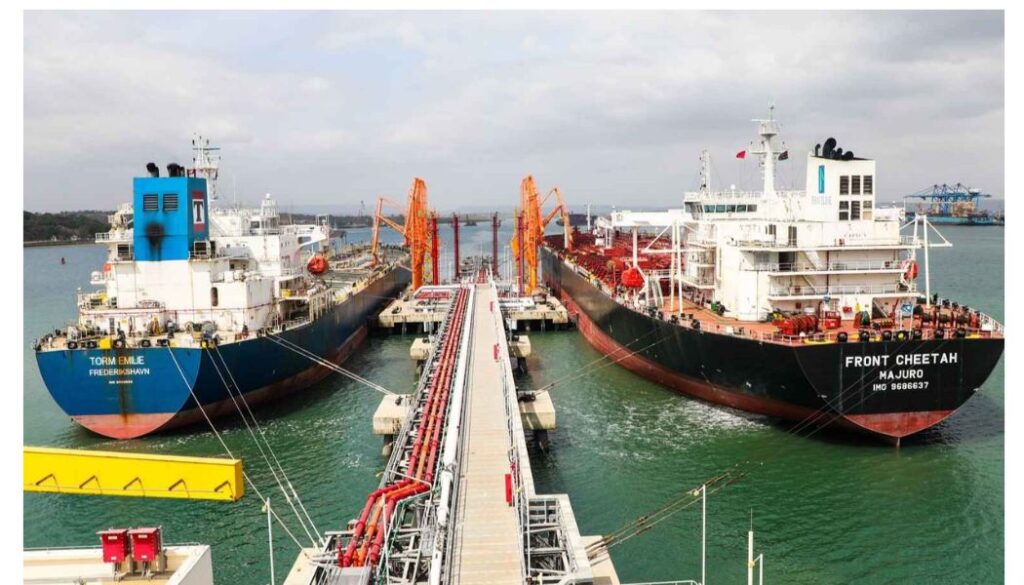
It said it secured a cargo owned by British Petroleum that had been heading to Angola and could be redirected to Kenya within three days because of its location near the Kenyan coast.
The firm further stated that it disclosed the fuel specifications to the Ministry of Energy when submitting its offer, after which a waiver was allegedly sought and granted by the Ministry of Trade.
It added that the product met standards used in several Southern African markets and Kenya’s own standards between 2019 and mid-2025.
The company also defended the practice of co-mingling fuel, saying it is common across global markets and has also occurred in Kenya with other consignments.
One Petroleum said by April 7, about 20 percent of the consignment had already been paid for and collected by oil marketing companies allocated by the ministry before a later policy change.
It added that despite having no legal obligation to do so, it withdrew invoices for fuel meant for the local market after the revised government directive.
The company said it had fully cooperated with investigators throughout the matter, maintaining that the contract was initiated by government demand rather than its own pursuit.
“We did not seek this contract. We responded to a written government request. Every aspect – quantity, price, and even quality – was communicated to and approved by the Ministry of Energy in writing, with formal waivers in place,” the statement added.
The company warned that it would defend itself and its directors against what it termed unfair targeting.
“One Petroleum and its Directors are being targeted without any legitimate basis. We will take every step necessary – including legal action -to protect our reputation and that of our Directors,” the statement concluded.