Stacy Boit,
On 15 September 2008, Bobby Seagull arrived at his office in Canary Wharf just before 6am.
It was the last time he would need to be on time. He was a trader at Lehman Brothers, an American bank undergoing serious turbulence.
“We had seen on the Sunday news from America, they’re filing for bankruptcy. We weren’t quite sure [what] the implication was [for] us in the UK. So we were just told to turn up as normal.”
Initially it was “chaos”, Bobby says. “There was no direct communication with our American colleagues. They weren’t picking up the phones. Some people were picking up items, like paintings on the wall and saying, ‘They owe me shares’.”
Bobby had an inkling that disaster might strike and was well prepared.
“I actually bought a shopping trolley on the last day. And funnily enough, that summer, people did sense a bit of disquiet. I emptied my vending machine card, [worth] £300 pounds, on chocolates, because I realised if the vending machine or the bank collapsed, my vending machine card would become defunct.”
Bobby, along with thousands of colleagues, carried his career out in a cardboard box. It was a defining image of the global financial crisis which saw thousands of businesses fail and millions lose their jobs. It ushered in one of the longest and deepest recessions since World War Two.
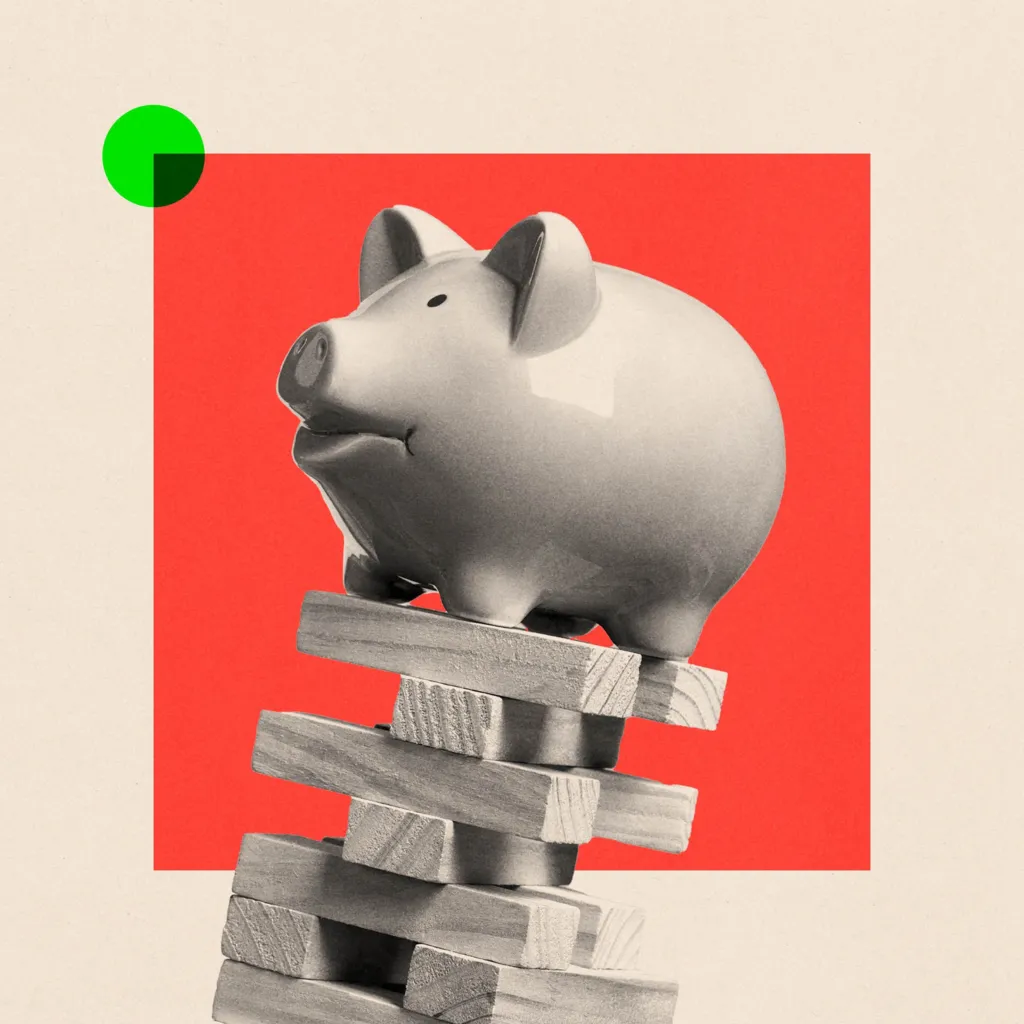
Now there are a number of warning lights flashing on the world economic dashboard that have some wondering whether we are in the foothills of another financial crisis.
What could the next meltdown look like? And with international relations in 2026 in a more febrile state than they were in 2008, will policymakers even have the tools to solve it?