By Andrew Kariuki
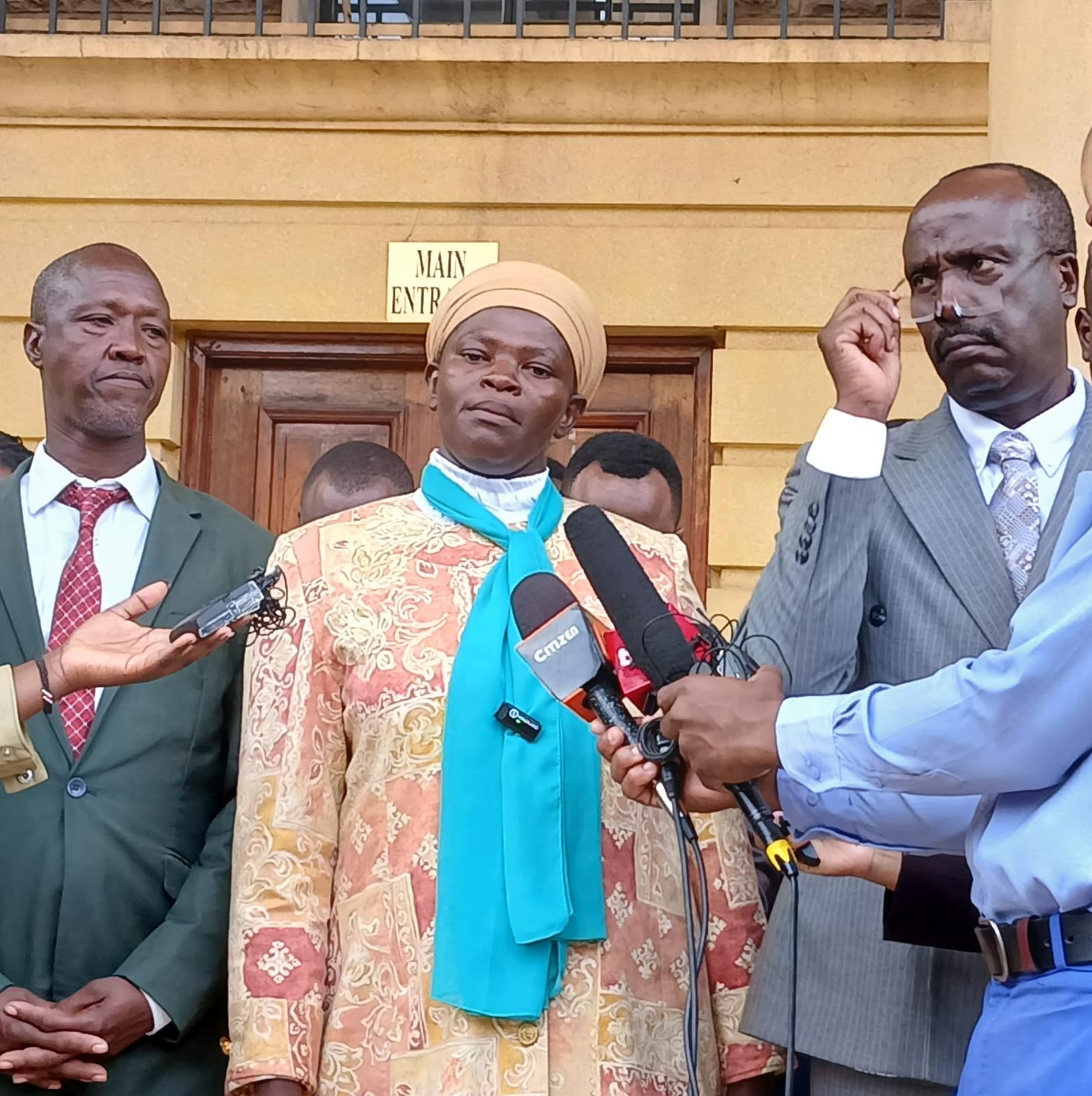
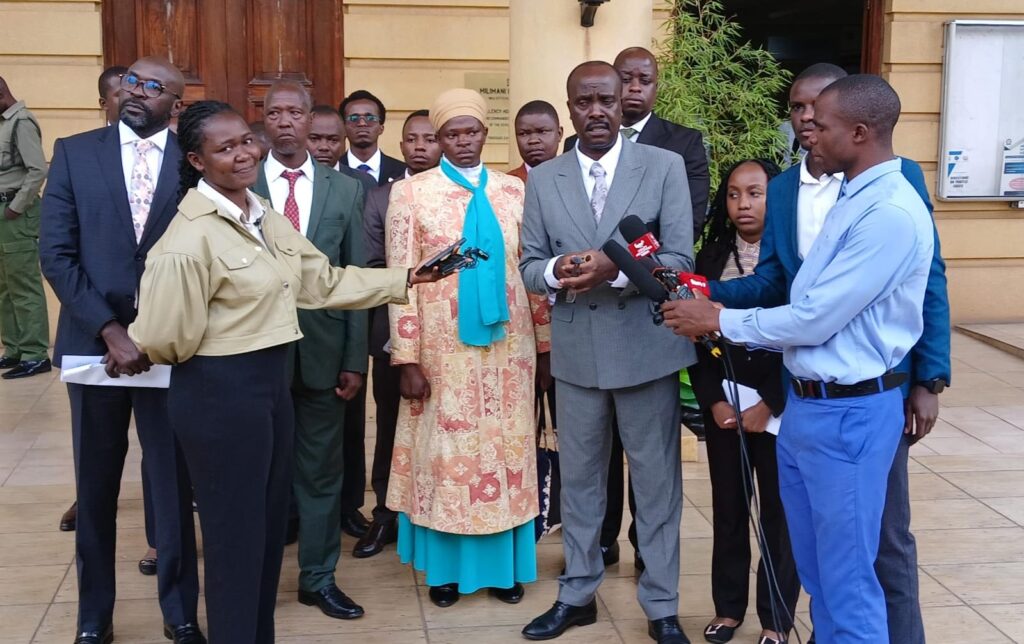
A case involving an alleged miraculous healing linked to preacher Prophet David Owuor has escalated into a legal dispute, with a Nairobi law firm demanding that the Kenya Medical Research Institute (KEMRI) retract its position on a woman’s HIV status.
In a demand letter dated May 6, 2026, Danstan Omari & Associates Advocates, acting on behalf of Millicent Awino, challenged KEMRI’s findings, citing inconsistencies between earlier confirmed diagnoses and subsequent conclusions issued by the agency.
According to the documents, Awino was first diagnosed as HIV positive in September 2023 at a government health facility and later enrolled in antiretroviral therapy (ART) in line with national treatment protocols.
Follow-up tests conducted at different facilities reportedly confirmed her positive status and she remained under treatment.
The situation took a dramatic turn in December 2024 after Awino followed a televised healing crusade led by Prophet David Owuor. During the broadcast, she placed her clinic card on the screen and later claimed she experienced a healing sensation.
She subsequently sought re-testing at another facility, where she received a negative result.
Further tests conducted at multiple facilities continued to return negative results, prompting confusion among medical professionals due to the contradiction with her earlier confirmed diagnosis and treatment history.
“This conclusion stands in direct contradiction to the scientific earlier diagnoses, documented treatment and national health system records,” the lawyers state in reference to KEMRI’s later position that there was no evidence of prior HIV infection.
The case attracted national attention, leading to involvement by health authorities including the National AIDS and STI Control Programme (NASCOP), which conducted further investigations and confirmatory testing.
Despite these processes, the legal team argues that KEMRI’s conclusion, contained in a letter dated April 20, 2026, raises serious concerns about the integrity of Kenya’s HIV testing systems and public health data.
The lawyers maintain that under Kenya’s HIV testing guidelines, diagnosis must follow a strict confirmatory process and any conflicting results should be treated as inconclusive rather than dismissed outright.

The matter has since been reported to the Directorate of Criminal Investigations (DCI), as questions mount over whether there was a breakdown in diagnostic procedures or misrepresentation of medical findings.
“KEMRI shall retract their conclusion vide the letter dated 20th April 2026,” the demand letter states, adding that the Ministry of Health must clarify whether the country’s HIV testing framework remains reliable.
The case now sits at the intersection of faith, science and law, with potential implications for public trust in medical systems as well as scrutiny over claims of miraculous healing.
Health authorities are yet to issue an official response.