By Andrew Kariuki
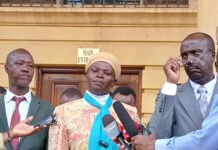
Journalists were barred from covering proceedings involving High Court Judge Justice Josephine Wayua Wambua Mong’are after the court stated that existing orders prohibit disclosure and media coverage of the matter.
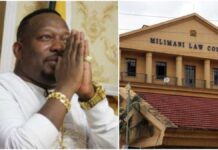
The issue arose during proceedings to check compliance on 6th May 2026 in petition number HCCHRPT/E189/2026, involving Justice Mong’are against the State Law Office, the Ethics and Anti-Corruption Commission (EACC) and another respondent.
After the court was notified of the presence of members of the media in the courtroom, lawyers representing Justice Mong’are objected to any form of coverage of the proceedings.
“Your honour, the existence of conservatory orders which bars issuance or disclosure of this particular petition,” counsel representing the judge told the court.
The presiding judge, Justice Gregory Mutai, subsequently stated that there were previous orders already issued in the matter restricting media coverage and disclosure of the proceedings, adding that the court was bound by those directives.
The development effectively kicked out journalists from reporting details of the case despite growing public interest surrounding the petition and its implications on judicial accountability and independence.
The recent development comes after conservatory orders were issued earlier this year by the High Court in favour of Justice Mong’are after she moved to court seeking protection from investigations by the EACC.
In the March 19, 2026 ruling, Justice Bahati Mwamuye restrained the EACC and other state agencies from summoning, questioning, arresting, detaining or taking coercive action against the judge pending the hearing and determination of her application.
The orders also barred authorities from seizing documents, devices, records or any materials connected to matters arising from her judicial duties.
According to court documents filed at the time, the EACC had written to the Deputy Registrar of the High Court directing that Justice Mong’are appear before investigators at the Integrity Centre for statement recording.
Justice Mong’are argued that the summons violated judicial independence and bypassed constitutionally established procedures for handling complaints against judges.
“The actions of the 1st Respondent are a clear affront to the Constitution and the independence of the Judiciary,” she stated in her affidavit.
She further argued that any complaints concerning a sitting judge fall under the mandate of the Judicial Service Commission (JSC) and not external investigative agencies acting independently.
The ruling was widely viewed as a major test of the balance between judicial independence and anti-corruption oversight.
The latest move to bar media coverage is now likely to raise fresh debate over transparency in court proceedings, public interest litigation and the extent to which conservatory orders can limit press access in matters involving senior judicial officers.