By Andrew Kariuki
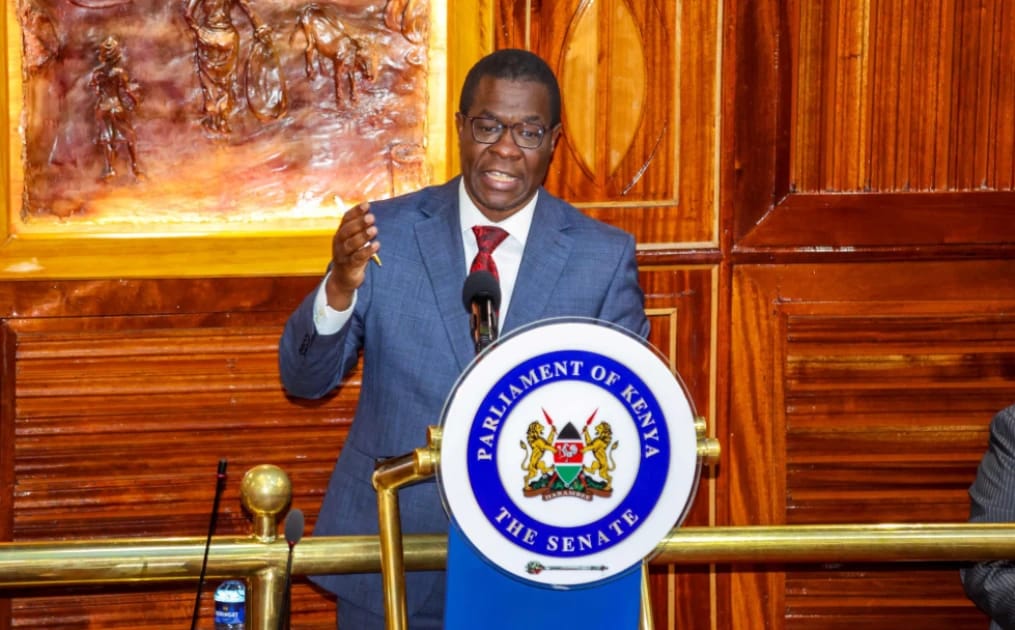
Energy and Petroleum Cabinet Secretary Opiyo Wandayi has announced that Kenya is expected to begin commercial oil production by the end of 2026, marking a major milestone in the country’s energy sector.
Speaking before the Senate plenary on Wednesday, Wandayi said oil drilling activities in South Lokichar, Turkana County, will gradually increase production levels as the country moves toward full commercialisation.
“From the beginning we shall be producing about 20,000 barrels per day, which will progress to some 50,000 barrels per day,” Wandayi told senators.
He noted, however, that the current projected output would still be insufficient to sustainably operate a commercial refinery within Kenya.
“Petroleum economics tell us that we need some 300,000 to 500,000 barrels per day to run a refinery viably,” he said.
The CS defended the government’s support for the proposed regional refinery project in Tanga, Tanzania, arguing that it makes more economic sense compared to reviving the old Changamwe refinery in Mombasa, which ceased crude oil processing in 2013 due to ageing infrastructure and commercial challenges.
“That informs the reason, the justification and the basis for the plan to establish a refinery in Tanga that will not only serve Kenya but also neighbouring countries. It’s basically business logic,” Wandayi stated.
The South Lokichar oil project, currently under Gulf Energy, is expected to develop millions of barrels of recoverable oil, with exports projected at between 25,000 and 80,000 barrels per day through a planned pipeline to the port of Lamu.
According to the government, the push toward local and regional oil production is aimed at reducing dependence on imported petroleum products from the Middle East and other international suppliers.
The proposed Tanga refinery is estimated to cost approximately USD 20 billion (about KSh 2.58 trillion) and is expected to support growing fuel demand across East Africa while cushioning the region from global supply disruptions such as the ongoing tensions involving the United States and Iran.
Officials say the project forms part of broader regional energy integration and long-term fuel security plans.