A deadly disease outbreak aboard a cruise ship in the Atlantic Ocean has pushed Kenya’s health authorities into precautionary mode despite no local infections being reported.
The Ministry of Health on Friday, May 8, issued a public health advisory following a hantavirus outbreak linked to the cruise ship MV Hondius, where eight confirmed cases and three deaths have already been reported among passengers and crew.
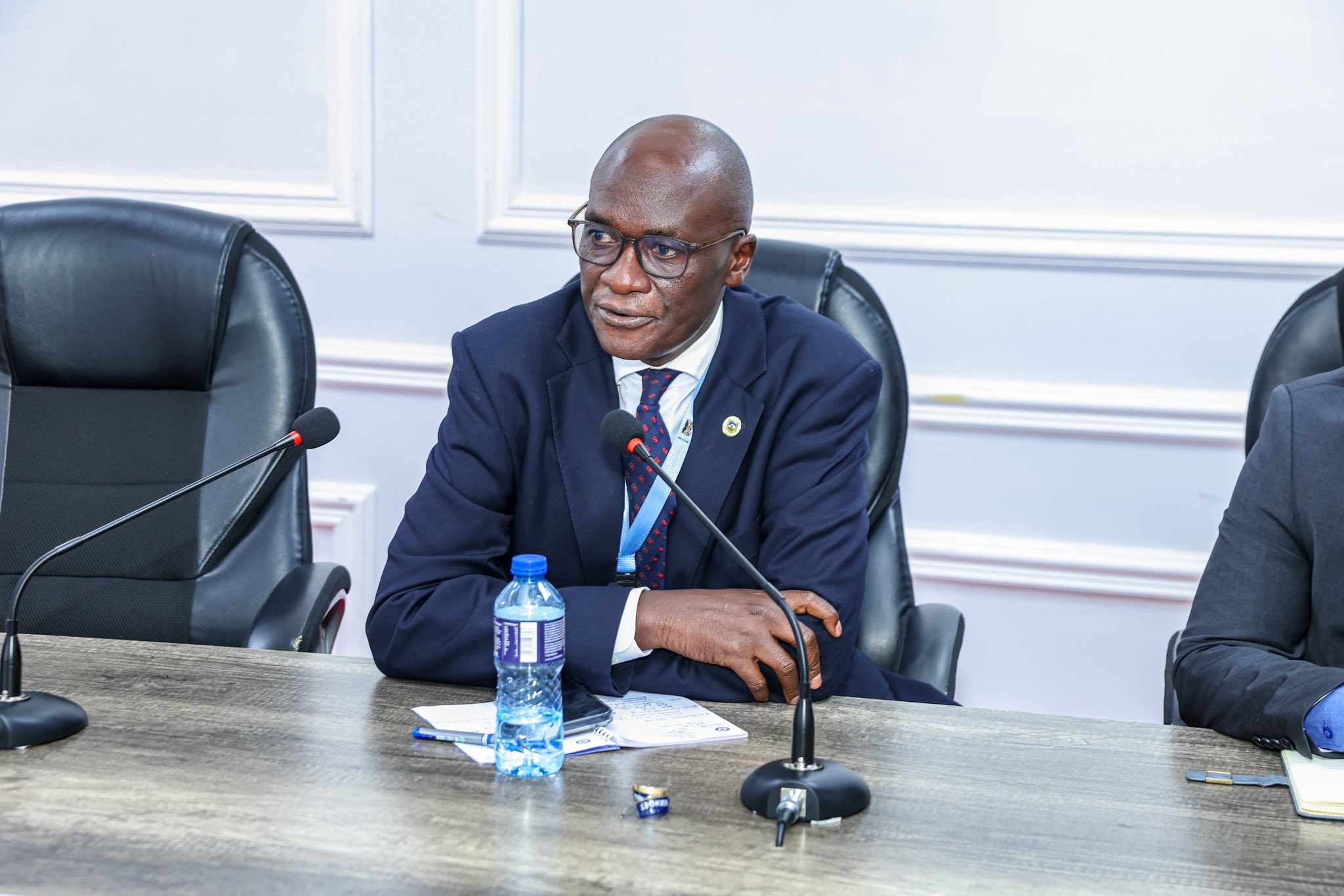
In a statement released by Director General for Health Patrick Amoth, the ministry assured Kenyans that the country remains free of reported hantavirus cases and that the overall public risk remains low.
However, officials noted that the government has intensified surveillance measures in collaboration with the World Health Organisation (WHO) and international health partners.
“The Ministry of Health is aware of an outbreak of hantavirus infection linked to the cruise ship MV Hondius, currently travelling in the Atlantic Ocean. According to WHO, there have been eight confirmed cases, including three deaths, among passengers and crew as of May 7, 2026,” part of the statement read.
The ministry added that health authorities were actively monitoring the situation while taking preventive measures to avoid possible transmission into the country.
Hantavirus is a disease commonly spread through contact with infected rodents such as rats and mice.
According to the ministry, people can become infected by inhaling contaminated dust particles, touching contaminated surfaces, or coming into contact with rodent urine and droppings.
Although rare, some strains of the virus can spread between humans through close contact.
Symptoms may take between one and eight weeks to appear after exposure and often include fever, headaches, muscle pain, fatigue, nausea and vomiting.
In severe cases, the infection can develop into Hantavirus Pulmonary Syndrome (HPS), a dangerous respiratory illness that can become fatal.
“Symptoms can appear 1-8 weeks after exposure, and may include: fever, headache, muscle aches, fatigue, nausea or vomiting and in severe cases, breathing difficulties. Severe illness can develop into HPS, which can be life-threatening,” Amoth warned.
Amoth said the ministry has already stepped up monitoring at airports and seaports while alerting hospitals and health facilities to remain vigilant for travellers showing symptoms linked to the disease.
Rapid response systems and testing teams have also been placed on standby to allow quick detection and containment if any suspected cases emerge.
Members of the public have meanwhile been advised to maintain proper hygiene, keep homes and workplaces free from rodents, safely store food and ensure proper waste disposal.
Travellers returning from affected regions were also urged to monitor their health for up to eight weeks and seek immediate medical attention if symptoms develop.
“You can reduce your risk by keeping your sorroundings clean and free of rodents, storing food safely and disposing of waste properly, washing hands regularly with soap and water and avoiding contact with rodents and their droppings. Seek medical care immediately if you develop fever of breathing difficulties, especially after recent travel,” the ministry said.