By Andrew Kariuki
In Kenya, the growing reality of second families, secret children, remarriages and polygamous unions continues to reshape the country’s marriage and inheritance landscape, with succession battles increasingly filling courtrooms across the country.
From disputes involving estranged spouses to conflicts over nominees, wills and children born outside formal marriages, inheritance disagreements have become one of the most contentious legal issues facing many Kenyan families today.
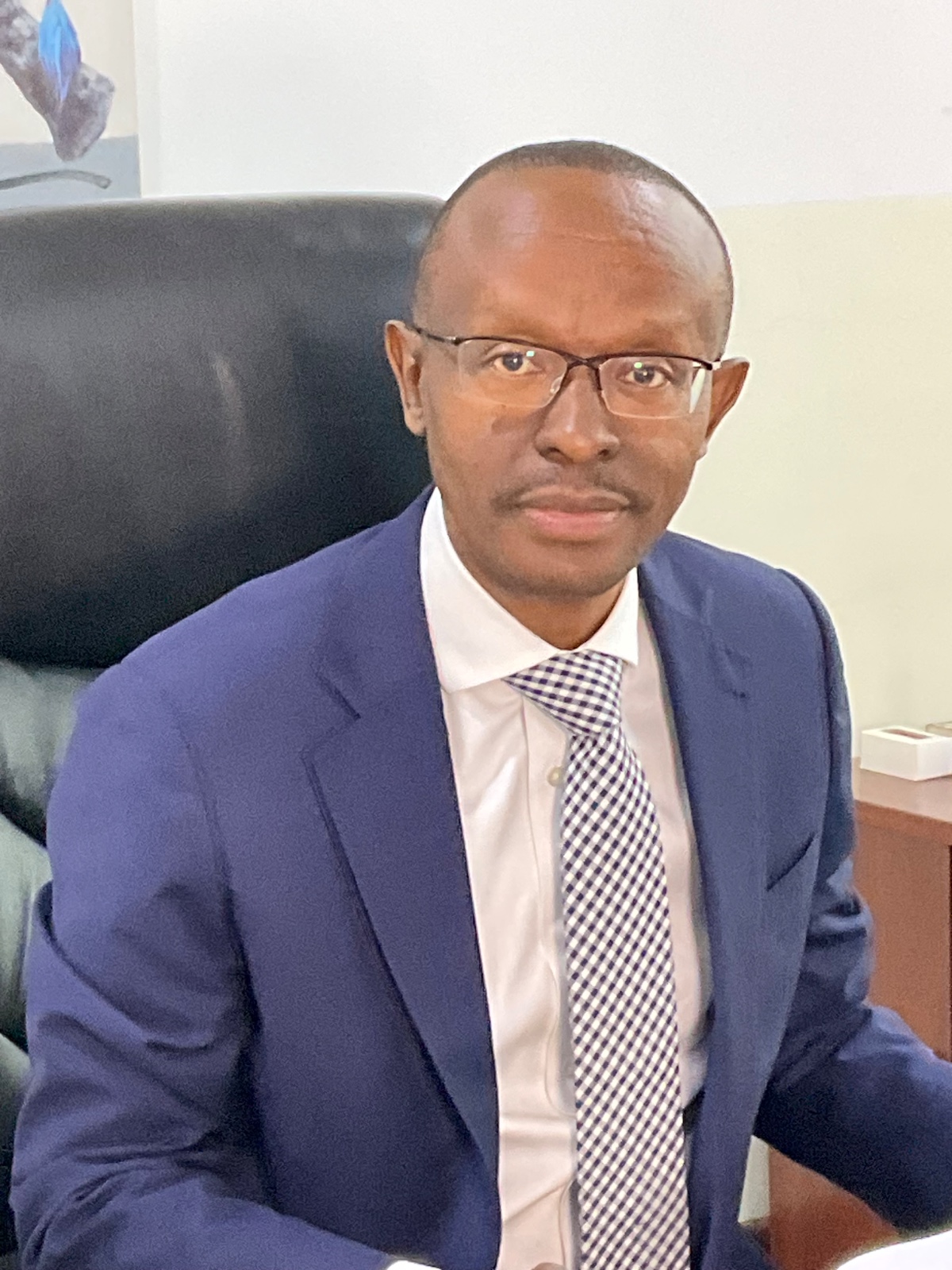
Seeking to address the confusion surrounding succession law, Senior Advocate Cecil Miller publicly broke down the legal complexities surrounding marriage, divorce, wills, trusts and inheritance during an extensive webinar on Wills, Trusts and Nomination of Beneficiaries held on Friday, May 15, 2026, where he clarified who legally qualifies to inherit and what happens when someone dies without properly organizing their estate.

The veteran lawyer noted that many succession battles in Kenya arise because individuals fail to properly organize their estates before death, especially in situations involving polygamous families, remarriages and long-term separations.
“If there is no divorce then you are still legally married so you can claim,” Miller stated while responding to questions from participants during the webinar. He further explained that even if one spouse remarries without legally dissolving the first marriage, the original marriage remains legally recognized.
The senior advocate cautioned that many people mistakenly assume separation alone removes inheritance rights, only for disputes to emerge after death when surviving spouses or children seek a share of the estate.
Miller explained that many Kenyans often don’t know key succession terms, something he says leads to difficulty in understanding inheritance laws especially to the common Kenyan.
He noted that testate succession happens when a person dies after leaving behind a valid will, while intestate succession occurs when someone dies without any will, leaving the law and courts to determine how the estate will be shared. He further distinguished a will from a trust, explaining that a will only takes effect after death and often goes through court processesover disputes, while a trust runs through companies with trustees and can continue managing wealth and property even during a person’s lifetime through appointed trustees. On nominations, Miller clarified that a next of kin is mainly an emergency contact or family reference, while a nominee or beneficiary is the individual legally designated to receive specific benefits or assets after death.
Miller also addressed concerns surrounding second families and children who may not have been formally recognised publicly but depended on the deceased during their lifetime.
“If you die intestate, as long as they can prove you took care of them, they can come and claim your estate,” he explained while discussing dependants under succession law.
The presentation further touched on the growing disputes involving SACCO nominations, insurance benefits and retirement payouts, where beneficiaries listed in official nomination forms may differ from family expectations.
“Anything in a nominee form takes priority,” Miller said, explaining that institutions are legally bound to pay the person formally nominated regardless of family disagreements.
He advised participants to ensure that their next of kin details, nominee declarations and wills align properly to avoid future conflicts among beneficiaries.

The senior lawyer also dismissed long-standing cultural assumptions that women lose inheritance rights after remarriage, stressing that Kenyan courts have increasingly rejected discriminatory provisions within succession law.
“A woman’s rights cannot be taken away if she remarries,” he emphasized during the session.
Miller further encouraged families to consider trusts as a long-term solution for protecting wealth and ensuring continuity across generations, especially for business owners and individuals with multiple properties.
“A trust allows you to have continuity since it runs through companies and trustees, but through a will you have to go through lawyers and court processes,” he explained.
As the webinar concluded, Miller urged Kenyans to openly discuss succession planning with their families instead of avoiding uncomfortable conversations surrounding death and inheritance.
“It is better to put your house in order than leave your beneficiaries at risk,” he said in his closing remarks.