By Bonface Mulyungi
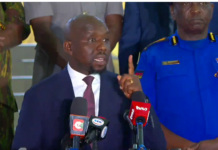
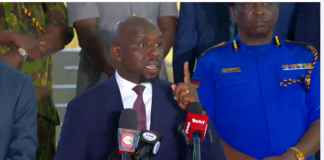
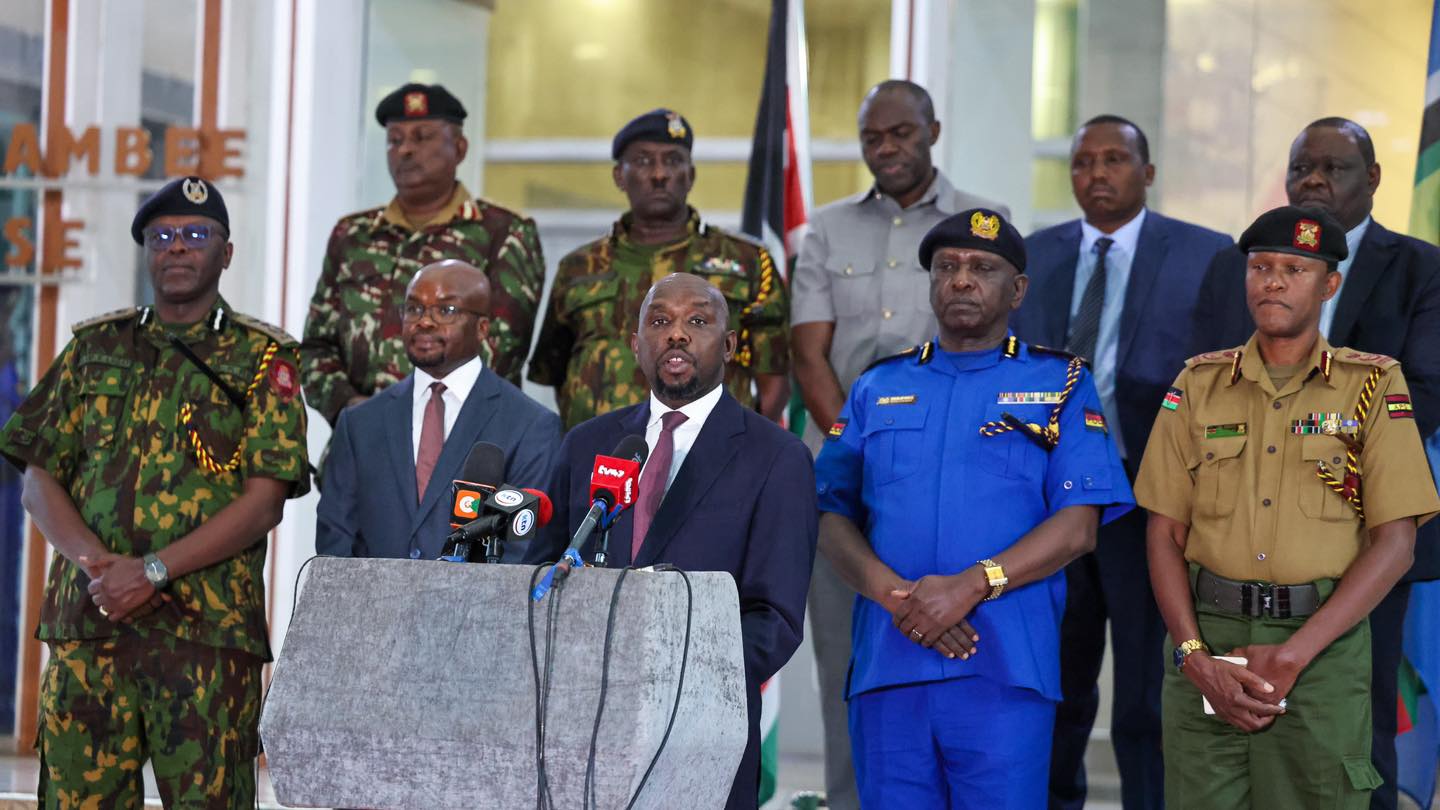
Interior CS Kipchumba Murkomen has accused “rogue politicians” of mobilising criminal gangs to hijack Monday’s fuel strike protests and target government projects and property owned by pro-government leaders, saying four people died in the violence.
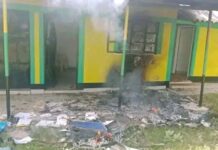
In a press briefing on Monday, Murkomen said most parts of the country were peaceful but claimed criminal elements in some areas were deployed to loot and destroy property, citing the looting of supermarkets owned by a government-allied MP, the burning of UDA offices in Wote, and the torching of two trucks at the site of the Rironi–Mau Summit flagship road project.
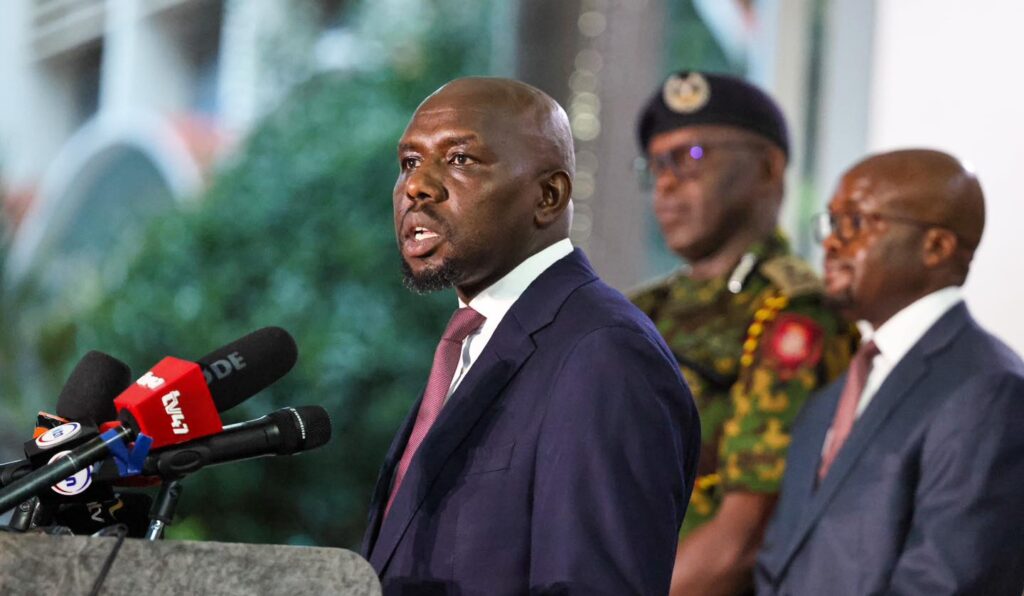
“The looting… the burning down of UDA offices in Wote, and the torching of two trucks… are not coincidences but a calculated move to spread fear and intimidate government supporters and innocent public servants,” Murkomen said.
He said the government was “concerned” by what he described as a scheme by a section of the political class to fuel intolerance and organise gangs to spread terror and sabotage projects.
“We are witnessing a clear scheme where a section of the political class is making incendiary statements… organizing gangs to spread terror and sabotage government projects,” he said.
Murkomen said four people died and more than 30 others were injured during the protests, describing the fatalities as “very regrettable”.
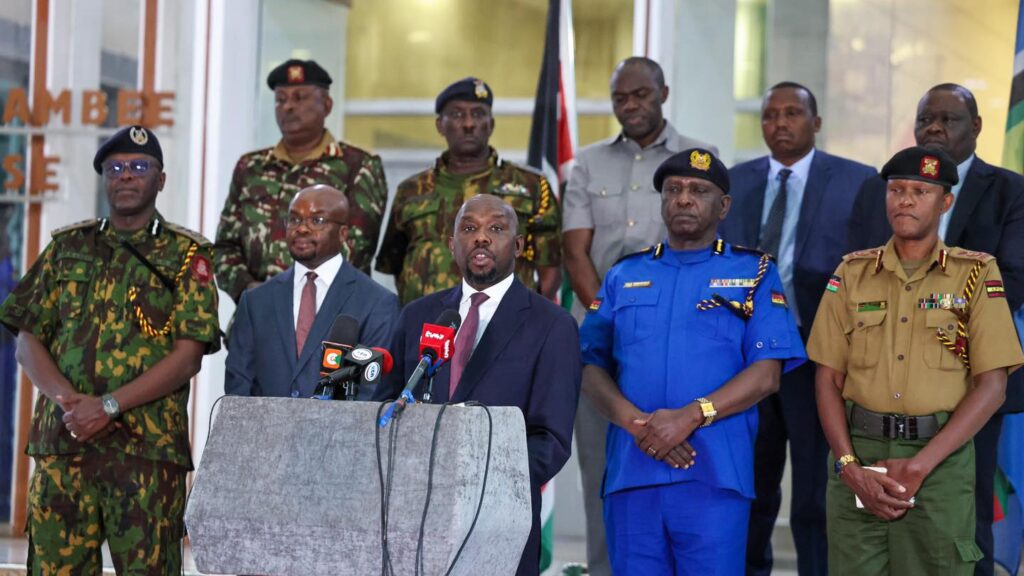
“It is unfortunate that we lost 4 Kenyans in today’s violence… It is very regrettable that there are politicians… who measure the success of opposition… by the number of innocent lives lost,” he said.
He also warned leaders against profiling Kenyans based on political opinions, saying the government would hold them “personally responsible” for lives lost and property destroyed as a result of their statements.
On fuel supply, Murkomen said Kenya’s government-to-government programme had ensured fuel availability despite higher prices, noting that some neighbouring countries were facing shortages.
“A number of countries in our neighbourhood do not have fuel… Because of the foresight and the G to G program, we at least have a guarantee of supply of fuel, even if it is at a higher price,” he said.
Murkomen said while fuel prices had risen due to a global political crisis, looting, road blockades and vandalism would not lower pump prices and could worsen the situation.
He said the government, led by the National Treasury and the ministries of Energy and Transport, was engaging transport stakeholders to explore ways of addressing the fuel price increases, expressing confidence that the talks would bear fruit.