By Bonface Mulyungi
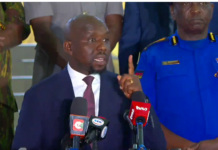
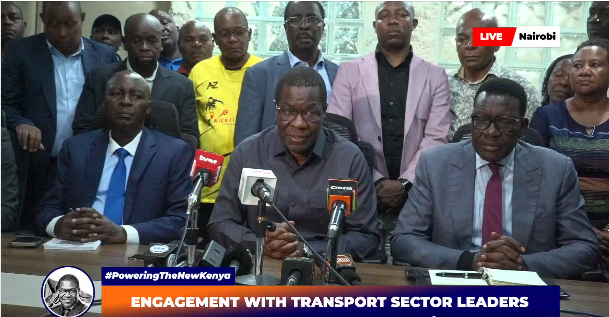
The transport stakeholders clashed with Energy Cabinet Secretary Opiyo Wandayi during a live press conference after disagreeing over remarks made about talks held to address the ongoing fuel strike.
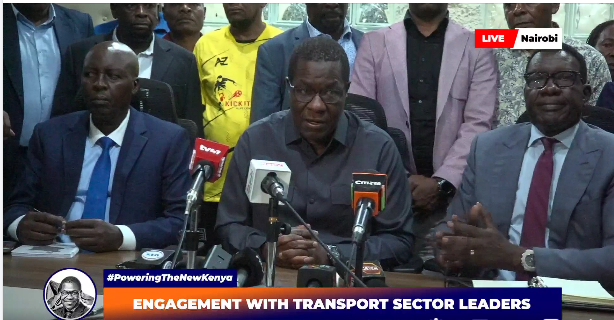
The stakeholders said the statements made during the late Monday evening, May 18, 2026, did not reflect what had been agreed during the meeting. The disagreement played out publicly shortly after the talks ended, exposing sharp divisions between government officials and transport operators.
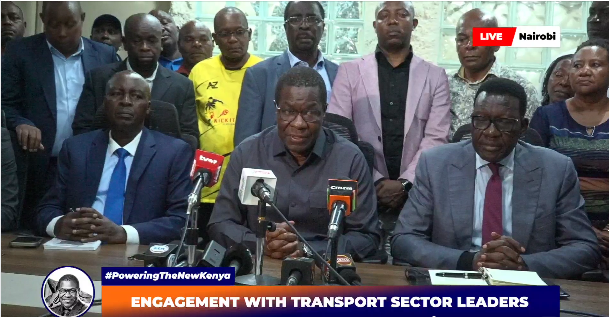
One of the matatu representatives immediately differed with CS Wandayi, making it clear there was no agreement on the main issue affecting operators and drivers.
“We have not agreed on anything. We know very well that the Ministry of Energy could do something to give us 46, which they say they do not have. The government has a lot of pockets and gets this Ksh46 we are looking for,” he stated.
The representative spoke angrily while addressing the media and maintained that transport stakeholders remained dissatisfied with the government’s response to fuel pricing concerns.
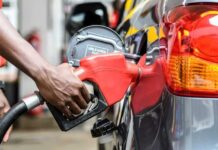
The dispute mainly centred on diesel prices, which matatu operators say are hurting their businesses and making operations difficult across the country.
Kushian Muchiri, Chair of the Association of Matatu Transport Owners, explained that only one issue had been agreed on during the discussions.
“We have agreed on the part of adulteration that the price of diesel and kerosene be at par. On the issue of the diesel prices, which we have not agreed on, we have scheduled another meeting,” Muchiri said.
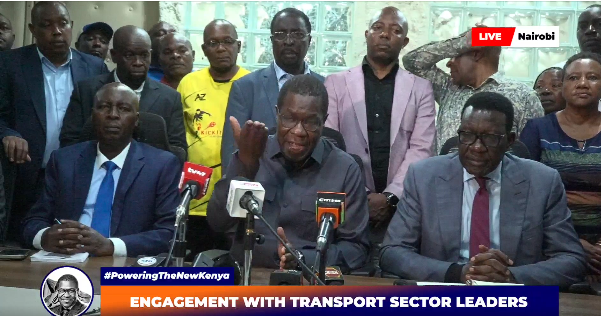
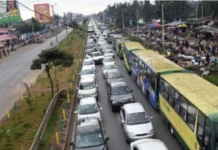
“In the meantime, we request that all our drivers and owners of vehicles continue keeping their vehicles at home. No disruption, no rioting as we await better engagements which will save the economy,” he added.
CS Wandayi defended the government’s position and explained that the talks focused partly on concerns about fuel adulteration stemming from the price gap between diesel and kerosene.
“We have come to the understanding that for prudence purposes and to eliminate the risk of fuel adulteration on account of this huge disparity and to save the motor vehicles operating using diesel from possible malfunction, we are going to bridge the gap between the prices of diesel and petrol,” Wandayi explained.