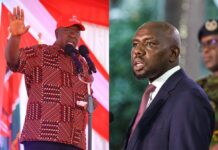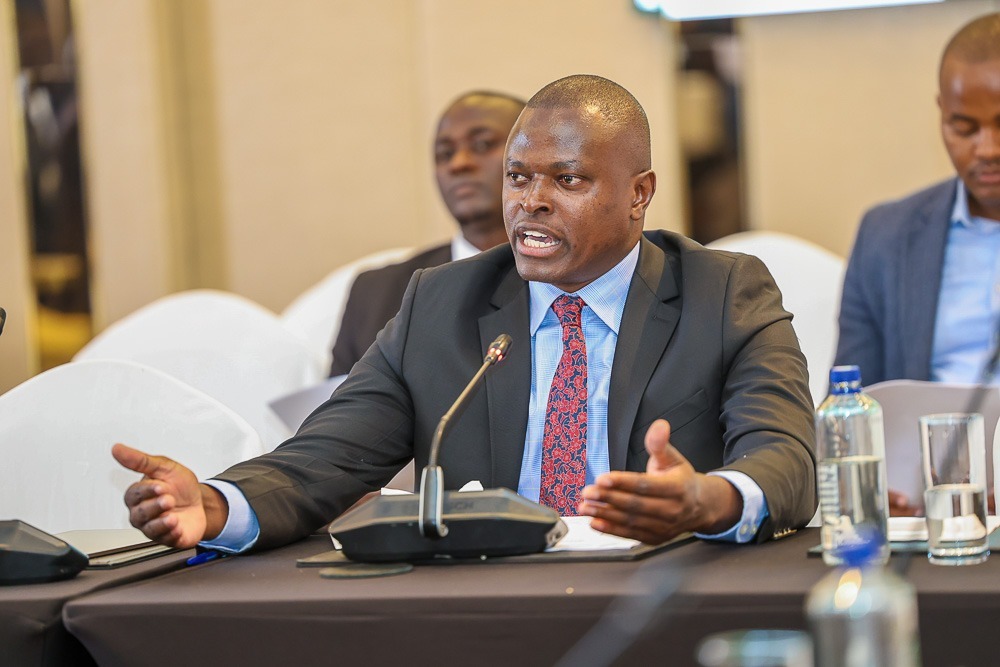
Parliament has moved to consider Kiharu MP Ndindi Nyoro’s proposals aimed at lowering fuel prices by reducing taxes and levies, with the initiative now set to undergo scrutiny by relevant committees.
In a letter dated May 19, 2026, and in response to Nyoro’s proposals, Parliamentary Budget Office Director Martin Masinde, writing on behalf of the Clerk of the National Assembly, confirmed that the legislative ideas had been formally received, transmitted to House committees and would proceed under the established constitutional and parliamentary framework.
Masinde said the proposals will be processed in line with Article 114 of the Constitution and the National Assembly Standing Orders.
“The proposals shall be processed in accordance with the provisions of Article 114 of the Constitution and the National Assembly Standing Orders. They have been transmitted to the relevant Committees of the House, which shall contact and guide you on the next steps,” reads the letter.
He added that, in line with established parliamentary practice, the Budget and Appropriations Committee and the Departmental Committee on Finance and National Planning will require Nyoro to present representations on the impact of his proposals.
This will include implications on the approved Budget for the Financial Year 2025/2026, the Budget Estimates for the Financial Year 2026/2027, as well as existing contractual and collateral obligations tied to the Road Maintenance Levy Fund (RMLF).
In his submission, Nyoro has proposed reducing VAT on petroleum products to zero per cent by moving them to the First Schedule of the VAT Act as exempt supplies, effectively removing the current 8 per cent tax.
He has also proposed cutting the Road Maintenance Levy Fund by Sh7 per litre, reversing an increase introduced in 2024, which would lower the levy from Sh25 to Sh18 per litre. In addition, he is seeking a reduction in the profit margins of importers and distributors, alongside a Sh5 billion supplementary subsidy for petroleum products.
Nyoro estimates that the combined measures could reduce the price of diesel by approximately Sh54 per litre, arguing that the reforms are necessary to ease the cost of living.
In a statement on Wednesday, the legislator welcomed Parliament’s response, noting that the process had officially begun and confirming that he is expected to appear before the relevant committees from next week.
“Following the proposals to Parliament with the intention of lowering various taxes and levies to reduce fuel prices, I’m glad Parliament has responded, and the process has taken off. We’ll be appearing before the relevant committees, hopefully next week, as part of the process.
“The proposals are independent of whatever discussions other sectors of the economy will be having. Whereas rising prices directly affect the transport sector, they also affect all Kenyans directly and indirectly,” he said.
The process now moves to the committee level, where the fiscal implications of the proposals will be examined before any further legislative steps are taken.