By Bonface Mulyungi
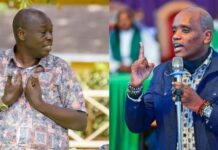
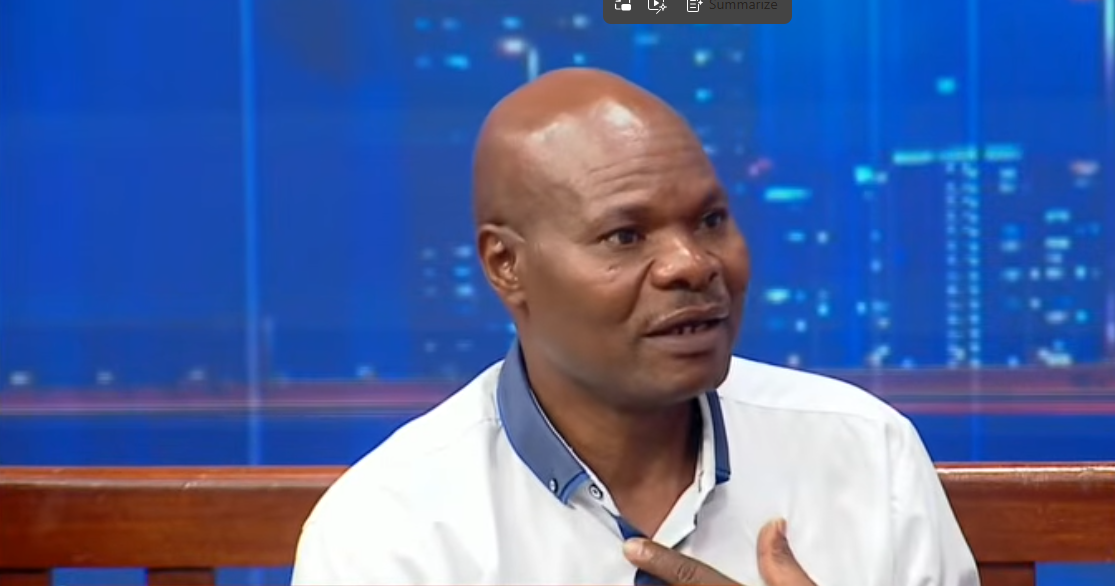
Kennedy Kaunda, East Africa Tour Guides and Drivers Association CEO, who became a viral sensation after publicly contradicting government ministers during a live press briefing, has revealed fresh details about the chaotic meeting on the fuel price crisis, claiming he arrived late only to find officials already wrapping up discussions on a proposed fuel price reduction deal.
Speaking during an interview on Citizen TV, Kaunda said that during the second meeting, he missed crucial parts of the negotiations between transport stakeholders and senior government officials over the controversial fuel price hike.
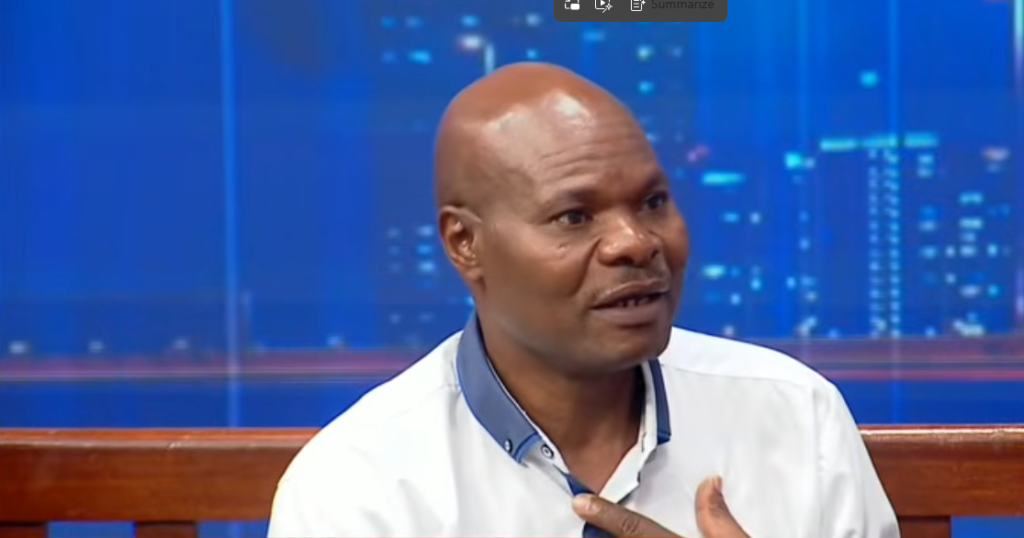
“(I was at the) first and second meeting. The second meeting, nilikuja kama nimechelewa. They actually called me to take a motorbike ride from where I was. By the time I arrived, they were making the final remarks. I missed it,” Kaunda said.
He explained that he had initially been unaware that the meeting was taking place.
“I was in my office. I didn’t know there was a meeting. There’s a coordinator who called me and told me to come in a hurry,” he added.
Kaunda also dismissed allegations that he received a “brown envelope” after the second meeting, following criticism from Kenyans online who questioned how he had gone from being hailed as a hero during the first meeting, where he openly criticised the ministers, to “smiling with the oppressors” during the subsequent talks.
“So many motorists have stopped me and asked where the brown envelope is. On social media, it’s the same. I was not given anything. What touched me on Tuesday was the discussion that they had already concluded,” he noted.
“There are matatu owners in that meeting who accepted the deal and I saw the seven days as goodwill to extend the negotiations and commit to a reduction of Ksh.10.”
During the interview, Federation of Public Transport Sector CEO Kushian Muchiri criticised Transport CS Davis Chirchir, accusing him of failing to maintain regular engagement with transport stakeholders.
“One of the things we tried to do is to reach out to the government to get an explanation of the fuel price hike, which did not bear fruit,” Muchiri said.
“This is the first time in all the years I’ve been CEO of the Federation and since I joined in 2018 that we’ve had a Transport Minister who doesn’t meet the Transport Stakeholders.”
He contrasted Chirchir’s leadership with previous administrations, saying former transport officials maintained open communication channels with industry players.
“If we had a minister who was in constant engagement with the stakeholders, we would not be here,” he added.
Muchiri further claimed that digital strategist Dennis Itumbi was the one who eventually pushed for the meeting between the government and stakeholders to happen.
On the government’s side, Energy and Petroleum Regulatory Authority (EPRA) Director for Petroleum and Gas Edward Kinyua defended the multi-agency talks, saying three Cabinet Secretaries attended the discussions.
“On Monday, the chair of that meeting was CS Chirchir. We actually had 3 CSs in that meeting, Chirchir, Wandayi and CS Mbadi,” Kinyua stated.
He described the talks as part of a broader inter-ministerial approach to address the crisis.
“I think the government has shown goodwill because this crisis came abruptly in the last two months and nobody would have prevented the prices from going to where they are,” he added.
The remarks come days after dramatic scenes unfolded at Transcom House, where the high-level meeting on fuel prices failed to end a nationwide transport strike over rising fuel prices.
Government officials had proposed reducing diesel prices by Ksh.10, arguing the move would help narrow the gap between diesel and kerosene prices and reduce fuel adulteration risks.
However, matatu sector representatives publicly rejected the proposal moments after Wandayi addressed the press.
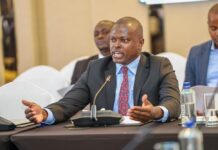
“We have not agreed to anything. They gave us 30, according to what they are going to discuss with EPRA, and we had stated 35 up to 30, that was the communication,” Kaunda declared during the tense press briefing.
“So there’s no deal. The strike is still on!”
The comments contradicted the government’s earlier communication that progress had been made in the negotiations, leaving the Cabinet Secretaries visibly uncomfortable during the live address.