The government has issued a progress update on the Menengai Geothermal Development Project, describing it as one of Kenya’s key clean energy Public Private Partnership (PPP) initiatives.
In a statement on Wednesday, May 27, Director General of the Public-Private Partnerships Directorate, Kefa Seda, said the project continues to demonstrate how government-backed de-risking can support long-term infrastructure financing and renewable energy development.
Speaking after an inspection tour of the Menengai Geothermal Project in Nakuru County, Seda said the visit brought together Principal Secretaries and officials from the Public Private Partnerships Kenya Committee to assess the progress of the geothermal power generation programme being implemented through a partnership between the Geothermal Development Company (GDC) and Independent Power Producers (IPPs).
In the update, Seda explained how the government and private investors are sharing responsibilities in the geothermal development process.
“Under this model, GDC undertakes the high risk and capital intensive upstream activities including geothermal resource exploration, appraisal drilling, steam field development, reservoir management, and steam gathering infrastructure before supplying verified geothermal steam to private power producers for electricity generation and dispatch into the national grid,” the statement read.

Seda said the arrangement has helped improve investor confidence and financing prospects for the project.
“This government led de risking framework substantially improves project bankability, lowers investor exposure to exploration uncertainty, accelerates private sector participation, and strengthens financing viability for large scale geothermal infrastructure,” the statement added.
Seda further revealed that the first phase of the development is targeting a total of 105 megawatts of electricity generation through three separate power plants.
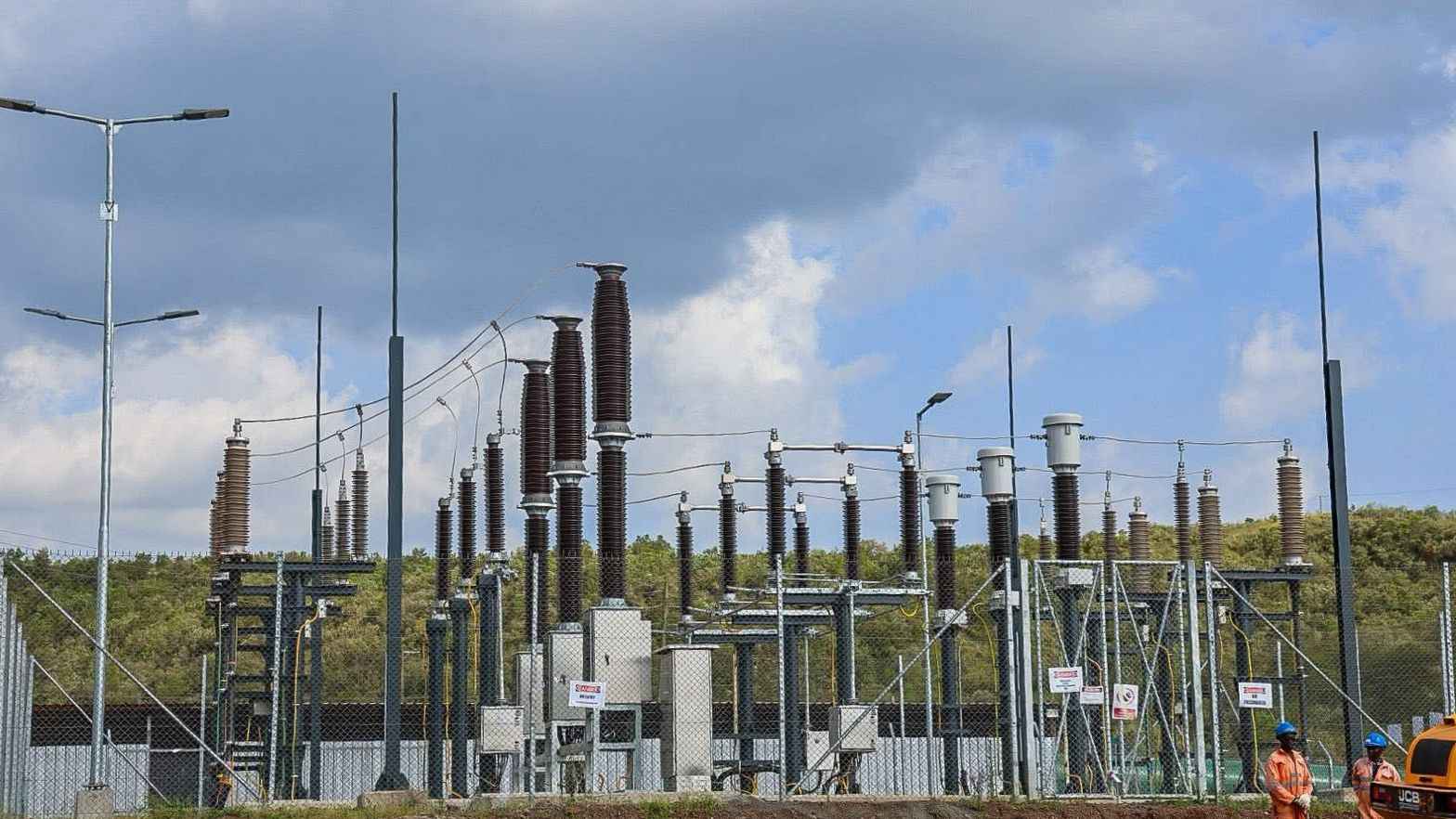
“The first phase of the development targets 105MW through three separate 35MW power plants being developed by Sosian Menengai Geothermal Power Limited, Globeleq Menengai Limited, and OrPower Twenty Two Limited,” the statement further read.

Seda noted that the completion of the projects is expected to improve the country’s electricity supply and support industrial growth.
“Upon completion, the projects are expected to strengthen baseload electricity supply, enhance grid stability, support industrial productivity, reduce pressure on thermal generation, and reinforce Kenya’s position as a global leader in renewable energy development,” the statement noted.
Seda added that the Menengai Geothermal Development Project has become an important model for future infrastructure partnerships across the country.
“The Menengai model continues to provide an important reference point on how governments can strategically undertake early stage infrastructure and resource risks while leveraging private sector capital, operational expertise, and generation efficiency in delivery of commercially sustainable infrastructure,” the statement concluded.