By Andrew Kariuki
The Democratic Republic of Congo (DRC) has expressed confidence in its ability to manage Ebola outbreaks amid growing debate surrounding a reported plan to establish a U.S.-linked Ebola quarantine and monitoring facility in Kenya.
Speaking during an interview with BBC Focus on Africa, DRC Government Spokesperson and Minister for Communication Patrick Muyaya said the country had remained in engagement with U.S. authorities since the emergence of the outbreak and possessed the expertise required to contain the disease.
Muyaya noted that the DRC has previously handled multiple Ebola outbreaks and successfully contained infections within short periods, arguing that the country has built institutional experience in responding to the virus.
“We have been talking with the U.S. government since the beginning of the outbreak, and some of the specialists here are already working with the U.S. government,” Muyaya said, adding that the country had demonstrated capacity to respond to Ebola in past outbreaks.
His remarks come amid controversy in Kenya following reports of an arrangement that could see Ebola-related quarantine, observation or treatment activities linked to American citizens conducted in the country.
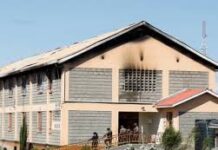
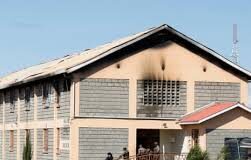
The proposed plan has sparked legal action, political opposition and public concern, particularly in Laikipia County, where reports suggested a facility could be established near the Laikipia Air Base.
On Friday, the High Court temporarily stopped the government from establishing or operationalising any Ebola exposure, quarantine, isolation or treatment facility in Kenya under arrangements involving the United States or any other foreign government pending the hearing and determination of a petition.
The court further barred authorities from facilitating the admission, transfer or reception of persons exposed to or infected with Ebola into the country under the contested arrangement.
The conservatory orders followed an urgent petition filed by Katiba Institute, which raised concerns over constitutional compliance, public health safeguards and national security implications surrounding the reported proposal.
Meanwhile, reports indicated that U.S. health authorities had been preparing a specialised response mechanism to support monitoring and care for American citizens linked to Ebola exposure, further fuelling public debate in Kenya.
Leaders from Laikipia and a section of residents have opposed the reported proposal, arguing that any Ebola response should prioritise containment closer to the source of the outbreak in the DRC rather than relocating quarantine-related operations to Kenya.
The matter now awaits further court directions, with the High Court orders remaining in force pending an inter-partes hearing.