By Bonface Mulyungi
Kakamega County is steadily emerging as one of Kenya’s most closely watched political battlegrounds ahead of the 2027 General Election.
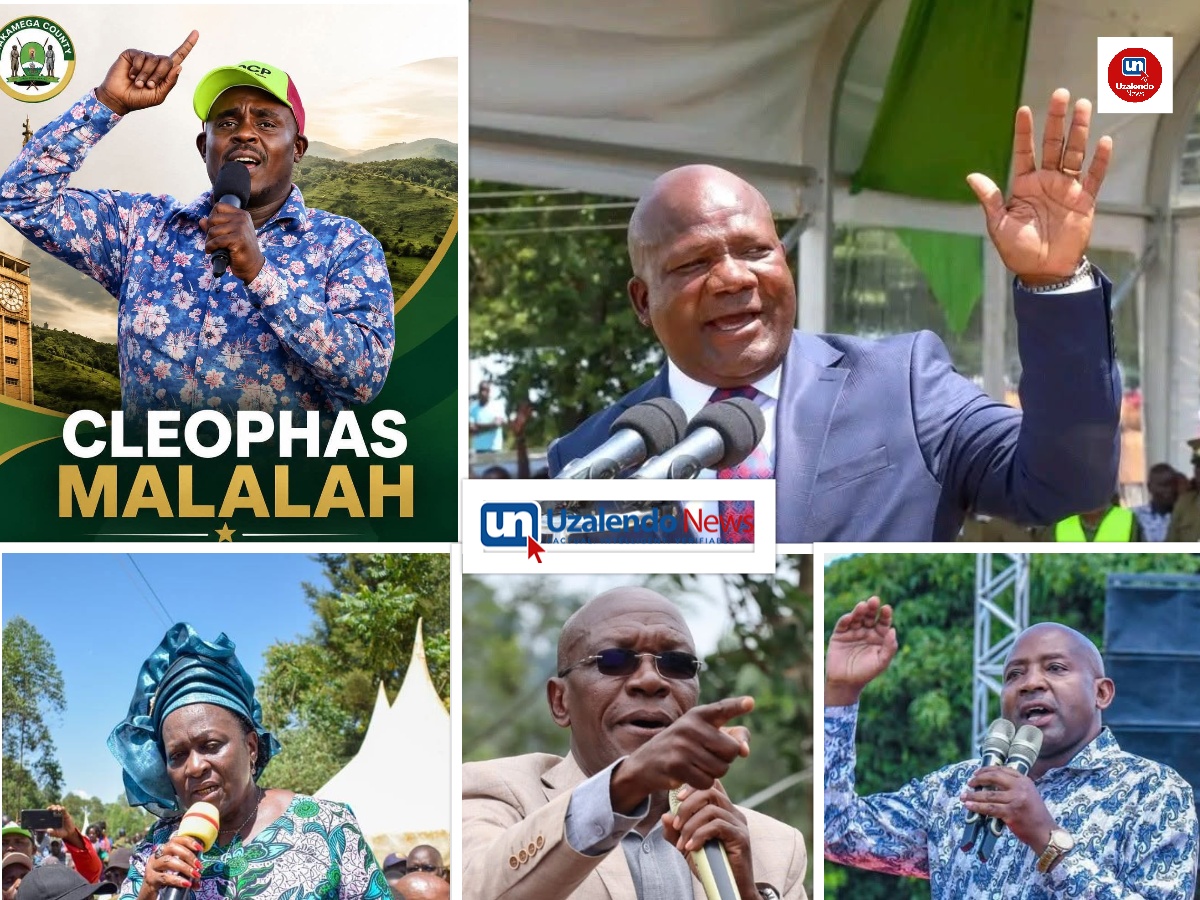
What appeared a few years ago to be Governor Fernandes Barasa’s path to a comfortable second term has now evolved into a potentially explosive contest involving some of Western Kenya’s most influential politicians. The race could feature incumbent Governor Fernandes Barasa, Deputy Governor Ayub Savula, Kakamega Senator Boni Khalwale, DCP Deputy Party Leader Cleophas Malala, and Woman Representative Elsie Muhanda.
Rarely has a county election attracted such a concentration of political experience, grassroots networks, financial muscle and national-level backing.
Barasa: The Incumbent Banking on ODM and State Connections
Governor Fernandes Barasa, the Italanyi as he is popularly known on the ground enters the race with the advantage of incumbency. Elected in 2022 on an ODM ticket after defeating Cleophas Malala, Barasa controls the county government machinery and enjoys deep links within ODM’s national leadership. He remains one of the most influential ODM governors in Western Kenya and has consistently defended the party’s cooperation framework with President William Ruto’s administration. Recent statements suggest he believes ODM and UDA could arrive at a successful political courtship ahead of 2027.
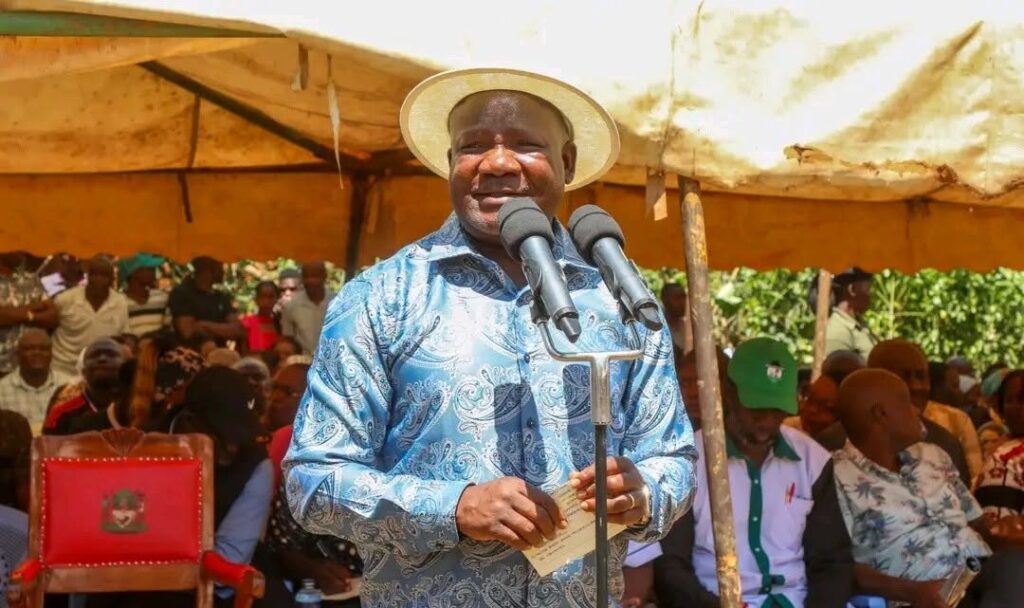
Barasa’s greatest political asset remains his relationship with former and late ODM leader Raila Odinga and that of current ODM Party leader Oburu Odinga (the Youth Leader) as well as broader ODM structure that has traditionally dominated Kakamega politics.
His challenge, however, is that elections in Kenya often become referendums on performance. Roads, healthcare, markets, water projects, employment opportunities and county finances are likely to dominate the campaign conversation. If voters perceive his first term as successful, he starts as the favourite. If dissatisfaction grows, his opponents will have a ready-made campaign narrative.
Cleophas Malala: The Challenger Who Never Left the Arena
Few politicians understand Kakamega’s electoral map better than Cleophas Malala.
The former Senator narrowly lost the 2022 gubernatorial race to Barasa after mounting a formidable challenge. Since then, he has remained politically active and recently confirmed that he will once again seek the governor’s seat in 2027.
Malala’s political journey has been remarkable. He served as Kakamega Senator, later became Secretary General of UDA before falling out with the party leadership, and eventually joined former Deputy President Rigathi Gachagua’s Democracy for Citizens Party (DCP), where he currently serves as Deputy Party Leader.
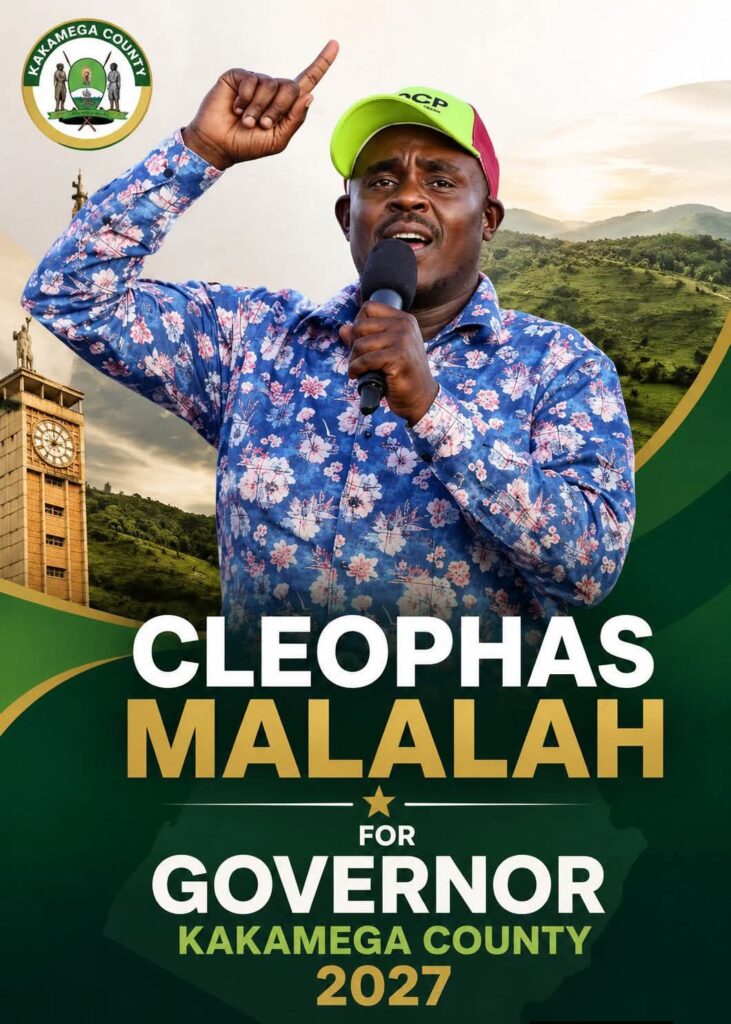
His biggest advantage is that he has a ready-made national political platform. Within DCP, Malala is viewed as Gachagua’s most senior ally in Western Kenya and has been tasked with implementing key party strategies ahead of 2027.
Should DCP establish significant support beyond the Mt Kenya region, Malala could become its flagship candidate in Western Kenya, benefiting from support from party leader Rigathi Gachagua and the growing anti-establishment political movement he seeks to lead.
Boni Khalwale: The Veteran With a Loyal Base
Senator Boni Khalwale remains one of the most recognizable political brands in Western Kenya.
Nicknamed “The Bullfighter,” Khalwale has served as MP, Senator and opposition crusader. His reputation was built through aggressive anti-corruption campaigns and his outspoken style in Parliament.
Unlike many politicians who depend on party popularity, Khalwale possesses a personal political following that has survived multiple electoral cycles. His support base stretches across various communities and generations within Kakamega.
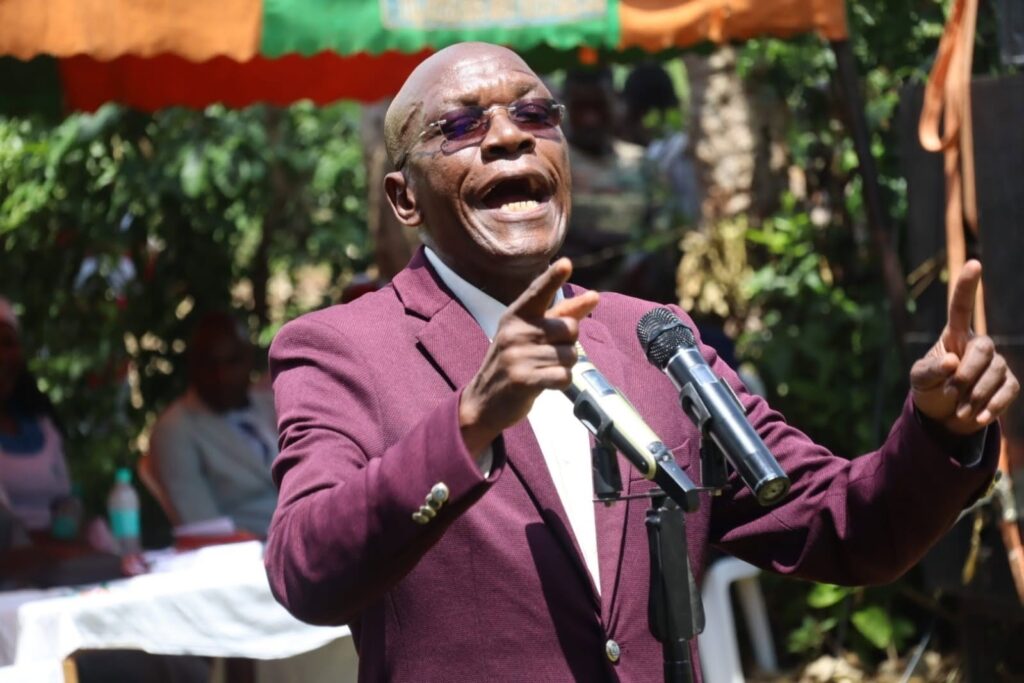
Senator Boni Khalwale’s emerging political direction outside UDA through the United Patriotic Movement (UPM) opens the door for wider opposition-style alliances and endorsements that could reshape his 2027 strategy.
One notable possibility being discussed in political circles is a potential alignment or endorsement from the Linda Mwananchi movement associated with Nairobi Senator Edwin Sifuna.
While Sifuna is a key national figure, his “Linda Mwananchi” political messaging has increasingly positioned itself as a citizen-centred accountability platform that can extend beyond strict party boundaries in specific contests and change the traditional and normal voting pattern.
In this context, analysts suggest that if Khalwale fully consolidates his UPM base and positions himself as a pro-people, anti-establishment candidate in Kakamega, he could attract sympathetic backing or indirect political goodwill from reform-oriented networks aligned with Sifuna’s political messaging—particularly those focused on governance accountability rather than rigid party loyalty.
However, one challenge for the Senator is that he may have to compete for the same anti-Barasa vote that Malala and Savula are targeting.
Ayub Savula: The Deputy Ready for Promotion
Perhaps the most intriguing figure in the race is Deputy Governor Ayub Savula.
Savula has publicly declared his intention to challenge his boss after joining UDA and announcing plans to seek the governorship in 2027.
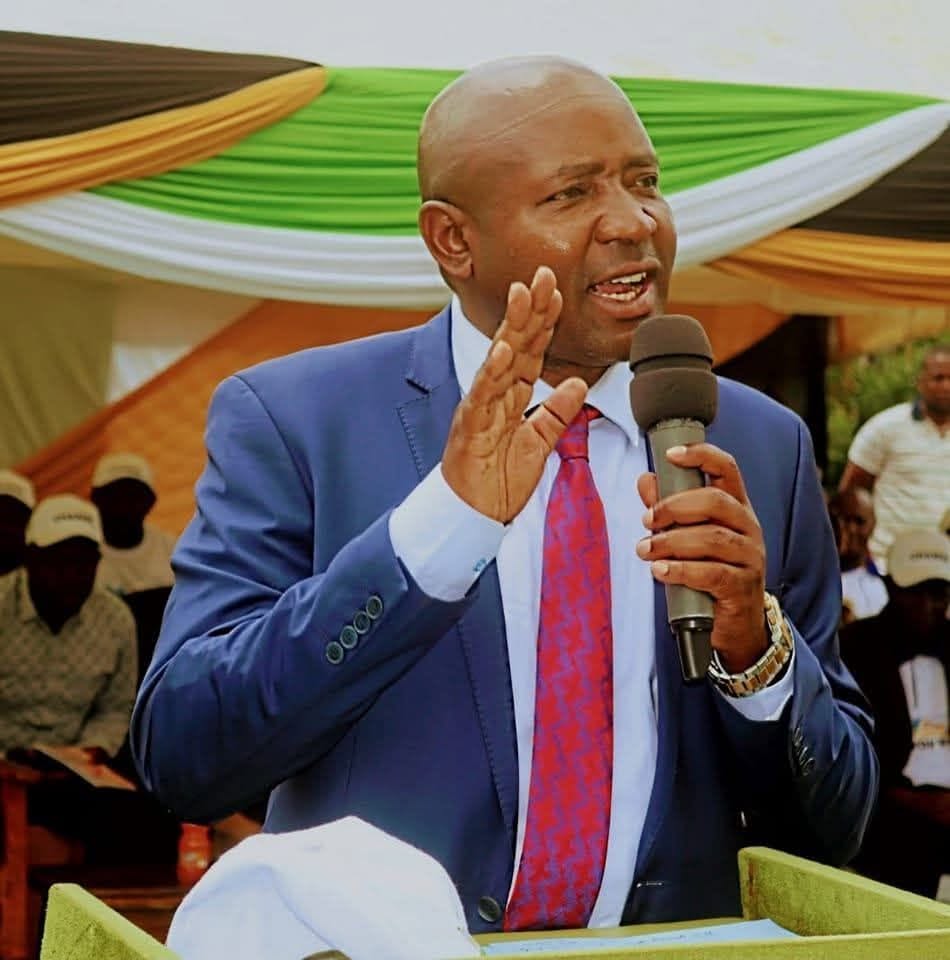
Historically, Savula has cultivated an image as a grassroots mobilizer and political survivor. Having served as Lugari MP and later becoming Deputy Governor, he possesses extensive networks in both rural and urban sections of Kakamega.
His biggest advantage is insider knowledge of county operations. Having worked alongside Governor Barasa, Savula can campaign as both a participant in county achievements and a critic of perceived shortcomings.
The political question surrounding Savula is whether UDA would ultimately support him or support the ODM candidate, in which ODM is pushing for zooning.
If this happens, then Savula may be pushed to the corner and support his boss Baraza once again.
Elsie Muhanda: The Outsider Seeking to Rewrite the Script
Woman Representative Elsie Muhanda enters the race with a potentially powerful advantage that few observers can ignore: her longstanding relationship with former Kakamega Governor and current Cabinet Secretary Wycliffe Oparanya.
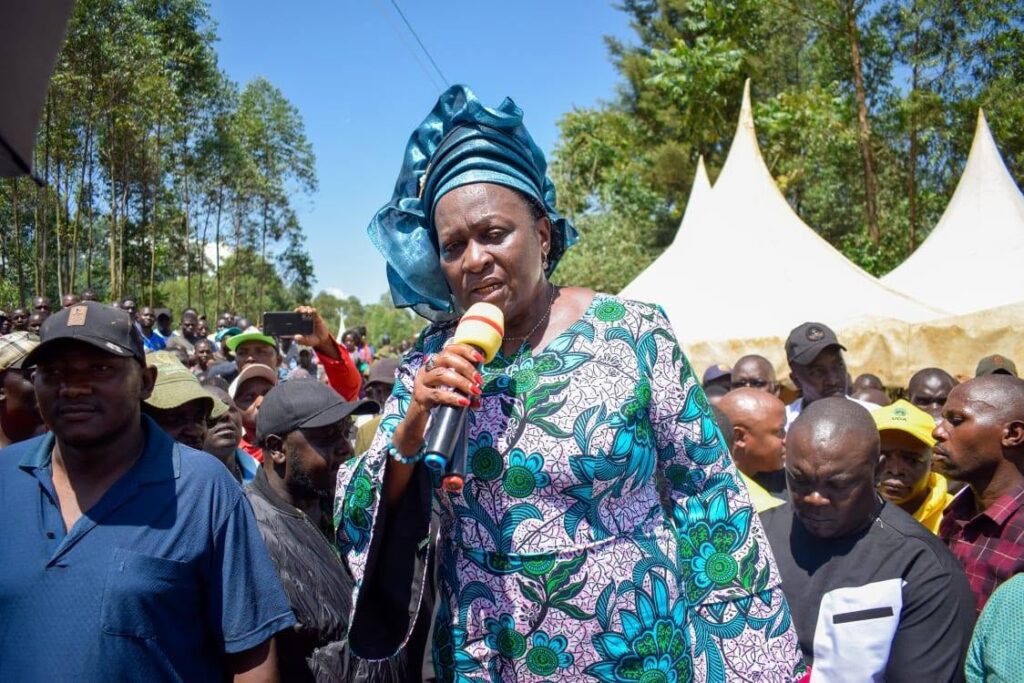
In September 2025, Oparanya publicly endorsed Muhanda’s gubernatorial ambitions, describing her as a capable leader and openly backing her bid to succeed Governor Fernandes Barasa in 2027. The endorsement was widely interpreted as an attempt by the former governor to shape the county’s future leadership and position Muhanda as his preferred political heir.
Muhanda has also been among the most vocal supporters of Oparanya’s growing national profile, backing calls for him to pursue a higher national office and repeatedly describing him as one of Western Kenya’s foremost political leaders.
Beyond the endorsement itself, Muhanda’s greatest strength may be access to portions of the extensive grassroots networks that Oparanya built during his ten years as Kakamega Governor.
These networks remain influential in constituencies such as Ikolomani, Shinyalu, Khwisero, Butere and parts of Mumias.
However, the political landscape became more complicated when Oparanya later publicly endorsed Governor Fernandes Barasa for a second term, arguing that the incumbent deserved another mandate. This has left political observers debating whether Oparanya will ultimately remain with Barasa, return to backing Muhanda, or attempt to broker a broader political arrangement before 2027.
Although she lacks the long gubernatorial campaign history enjoyed by Barasa, Malala, Khalwale and Savula, she benefits from increasing calls for greater female representation in top county leadership positions.
Muhanda’s strategy is likely to focus on mobilizing women, youth and voters seeking generational and leadership change. She may also attract support from sections of the electorate tired of the long-running rivalry among established political heavyweights.
Her challenge will be converting visibility and goodwill into a countywide campaign machine capable of matching her better-established rivals.
The National Political Chessboard
The outcome of the Kakamega race may depend as much on Nairobi politics as on local dynamics.
If ODM and UDA continue cooperating nationally, Barasa could find himself benefiting from both ODM structures and goodwill from sections of the Kenya Kwanza establishment.
If Gachagua succeeds in building DCP into a formidable opposition movement, Malala could become the principal challenger backed by a national anti-government coalition.
And what if Khalalwe and Malala joins to Challenge the opponents bearing in mind they may vie against state sponsored candidate? This can change the whole game.
At present, the greatest threat to all challengers may be division.
If Malala, Khalwale, Savula and Muhanda all remain in the race until election day, they risk splitting the anti-incumbent vote and handing Barasa a relatively comfortable path to re-election.
If, however, political negotiations produce a united opposition candidate, Kakamega could witness one of the most competitive gubernatorial elections in Kenya’s history.
For now, the battle lines are being drawn. The county that often shapes political trends in Western Kenya appears headed for a contest that could influence not only Kakamega’s future but also the region’s role in the national politics of 2027.