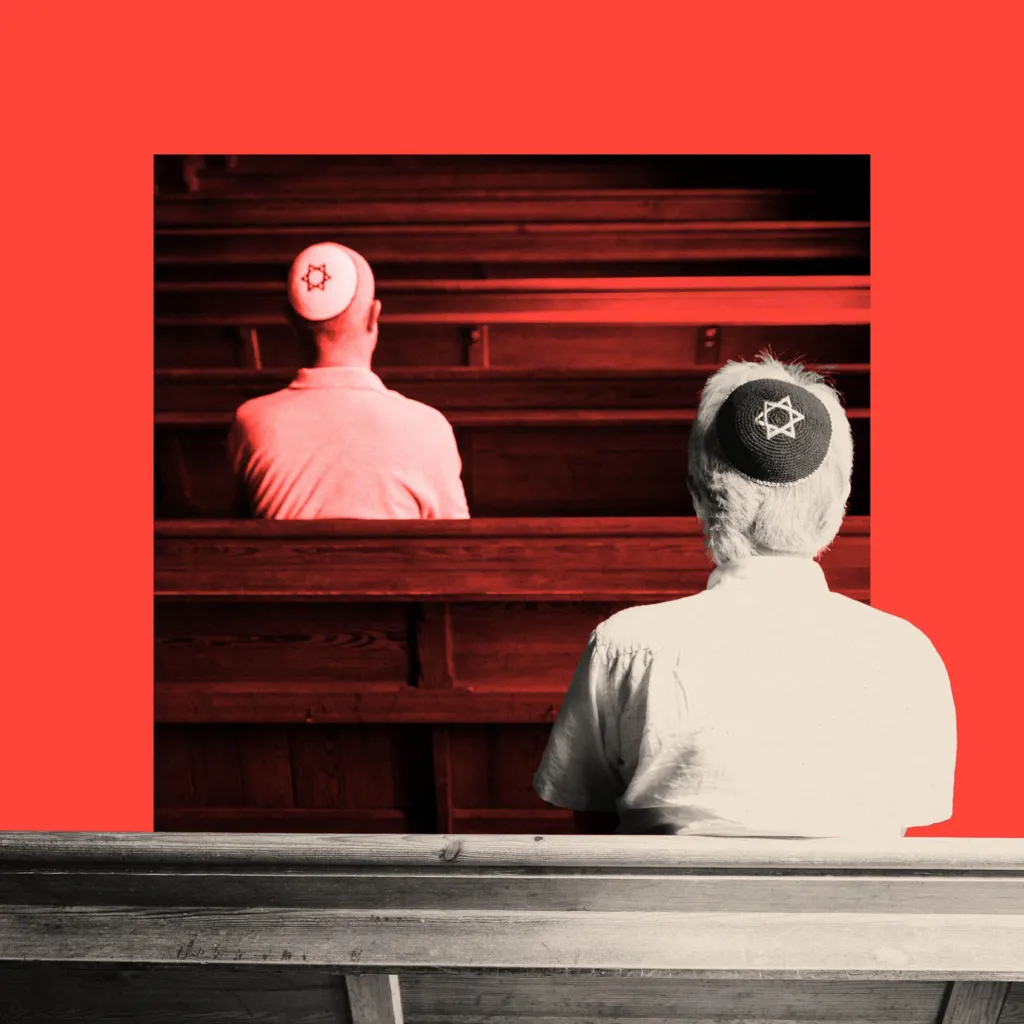
“It’s been an incredibly difficult two years,” says Phil Rosenberg, president of the Board of Deputies of British Jews. “I think our Jewish identity is being worn far more heavily these days, given the pain of it all.”
For him, the conflict in the Middle East has had a profound and deeply personal impact on British Jewish society. “The attacks of 7 October were felt very personally, not least because British Jews were among those killed in the initial onslaught, and people with British connections were taken hostage,” Rosenberg explains. “And in the war that followed, the devastation in Gaza was very painful to watch.
Then there was the vitriol that surrounded the whole conflict, and the massive rise in antisemitism, culminating in deadly attacks.”
These distant tragedies have resonated with terrifying closeness at home. The devastating shooting at Bondi Beach last weekend—targeting a Hanukkah celebration—and the attack on a Manchester synagogue on Yom Kippur, the holiest day of the Jewish year, have compounded the trauma of the past two years.
Together, these events have created a profound and far-reaching crisis of safety and identity for Britain’s estimated 300,000 Jews.
By James Kisoo