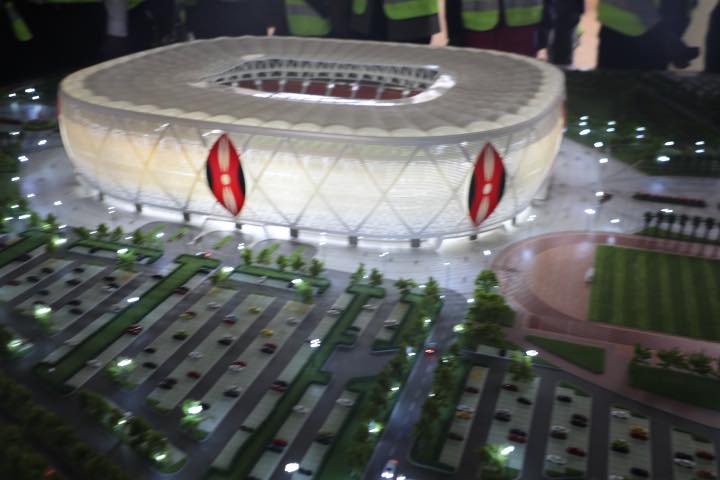
The Senate has intensified scrutiny of the multi-billion-shilling Talanta Sports City Stadium project, raising serious questions over procurement procedures, cost escalation, and financial transparency in the construction of the flagship facility meant for the 2027 Africa Cup of Nations (AFCON).
The Senate Standing Committee on Roads, Transportation and Housing has formally written to Sports Cabinet Secretary Hon. Salim Mvurya demanding a comprehensive explanation on the status and management of the project, citing concerns flagged by the Auditor-General.
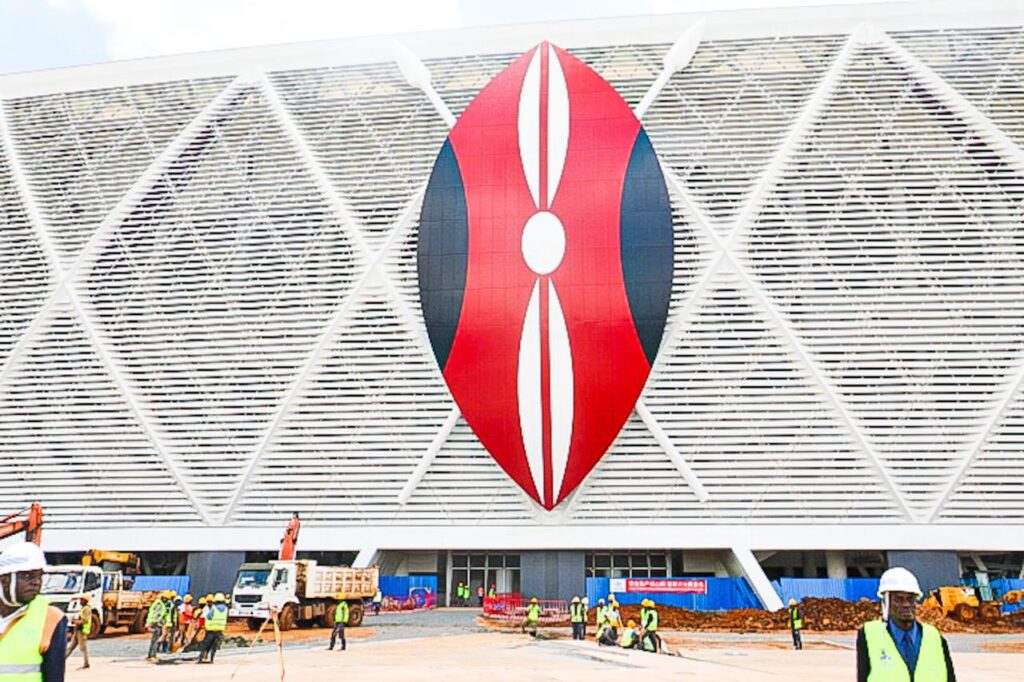
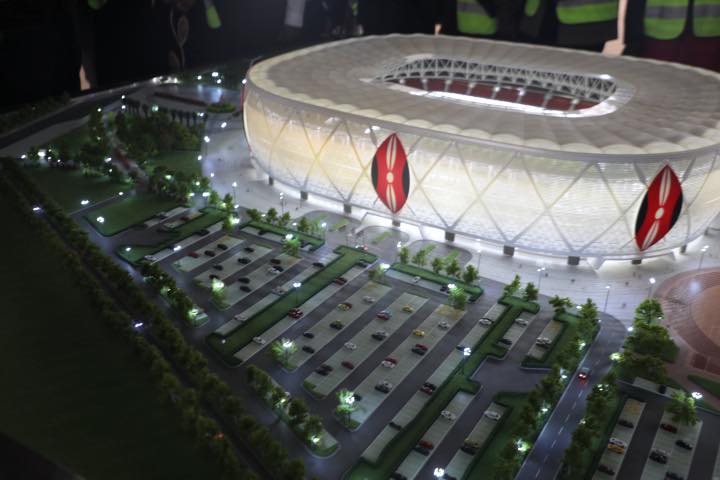
The 60,000-seater Talanta Stadium, under construction at the Jamhuri Sports Complex in Nairobi, is a key pillar in Kenya’s preparations to co-host AFCON 2027. The project, which began in March 2024, is being undertaken by China Road and Bridge Corporation (CRBC) under the supervision of the Kenya Defence Forces Engineering Department.
However, lawmakers are now questioning the sharp increase in the project cost from an initial Kshs. 35 billion to Kshs. 45.85 billion.
“The Committee is concerned about the variation of approximately Kshs. 10.85 billion which has not been supported by adequate documentation,” the Senate noted, referencing findings from the Auditor-General’s report for the financial year ending June 2025.
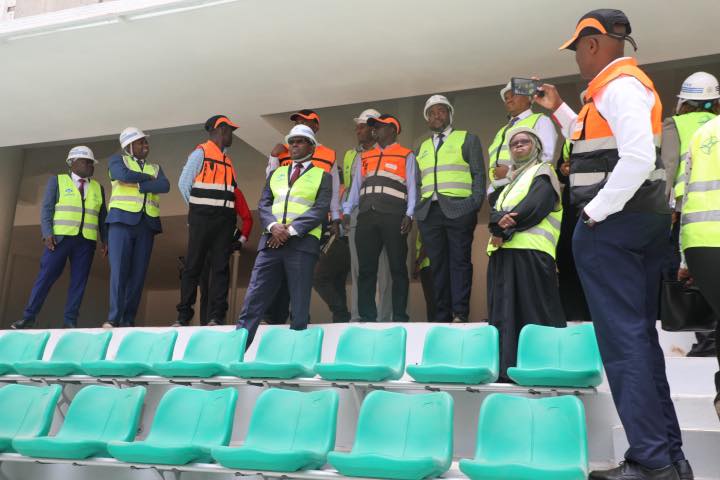
The audit further revealed that the contract was awarded through direct procurement, bypassing competitive tendering processes required under Kenyan law. It also raised alarm over the lack of clearance from the Attorney-General for contracts exceeding Kshs. 5 billion.
The Committee underscored the need for accountability and adherence to legal frameworks.
“We request your office to provide a comprehensive response addressing the procurement process, cost variations, financing structure, and implementation status of the Talanta Stadium project,” said committee chairman, Senator Eddy Oketch
The Committee is also seeking clarity on the financing model, which reportedly involves a securitized infrastructure bond backed by the Sports, Arts and Social Development Fund (SASDF), as well as the use of a Build-Operate-Transfer (BOT) framework similar to that used in the Nairobi Expressway project.
Sen. Godfrey Osotsi, who requested the statement on the floor of the House, pressed for greater transparency and value for money in the project.
“The public deserves a clear breakdown of how this massive investment is being utilized and whether all legal procedures were followed,” he stated.
Despite the concerns, the government has maintained that the project is progressing steadily, with reports indicating that the stadium was approximately 85 percent complete as of January 2026.
Comparisons with similar international projects have also fueled the debate. For instance, the Emirates Stadium in the United Kingdom and the Alassane Ouattara Stadium in Côte d’Ivoire—both with similar seating capacities—were completed under competitive procurement frameworks and with clearly structured financing models.
The Senate Committee now warns that gaps in procurement compliance, contract approval processes, and inter-agency coordination could expose the government to financial risks and undermine public confidence.
“The emerging issues raise fundamental questions about compliance, fiscal responsibility, and institutional oversight in major infrastructure projects,” the Committee observed.
The Sports Ministry has been given two weeks to submit a detailed report addressing all the concerns raised.
As Kenya races against time to prepare for AFCON 2027, the spotlight now firmly rests on whether the Talanta Stadium project will meet international standards—without compromising transparency and accountability.
By Anthony Solly