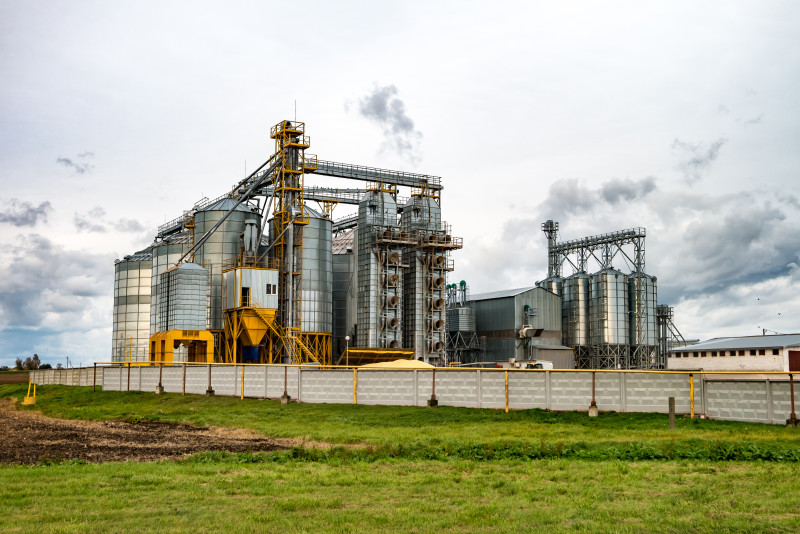
The African Development Bank (AfDB) has approved a loan of US$159.50 million, roughly KSh 24.7 billion at current exchange rates, to the Democratic Republic of Congo (DRC) to improve connectivity to the Ngandajika Agro‑Industrial Park and catalyse economic growth in the country’s central region.
The total project is budgeted at US$177.16 million (about KSh 27.5 billion), with the Congolese government contributing the remainder.
The fund will be directed towards upgrading key road links, including the Nkuadi–Ngandajika–PAIN and Lukalaba–Ngandajika routes, as well as sections that connect National Roads 1 and 2.
Plans also call for extending the runway at Mbuji‑Mayi Airport to accommodate air freight for agricultural produce destined for national and regional markets.
AfDB’s Director General for Central Africa, Léandre Bassolé, described the project as a major milestone for agricultural industrialisation and for improved regional integration.
He said enhanced access will reduce logistics costs and unlock new opportunities for farmers, transporters and agro-industries in Lomami province and neighboring Kasaï Oriental, with particular benefits for women and young people active in agriculture and trade.
The initiative forms part of the bank’s Agricultural Transformation Programme and complements the ongoing plan to develop the Ngandajika Special Agro-Industrial Processing Zone.
It also aligns with the ambitions of the African Continental Free Trade Area (AfCFTA) by strengthening trade corridors and lowering barriers to market access.
Project manager Johnny Makwela noted that the poor state of the road network has long impeded competitiveness of local producers. He said the upgrades will deliver tangible reductions in transportation costs, accelerate integration into value chains and support improved food security across the region.