LAGOS, Nigeria
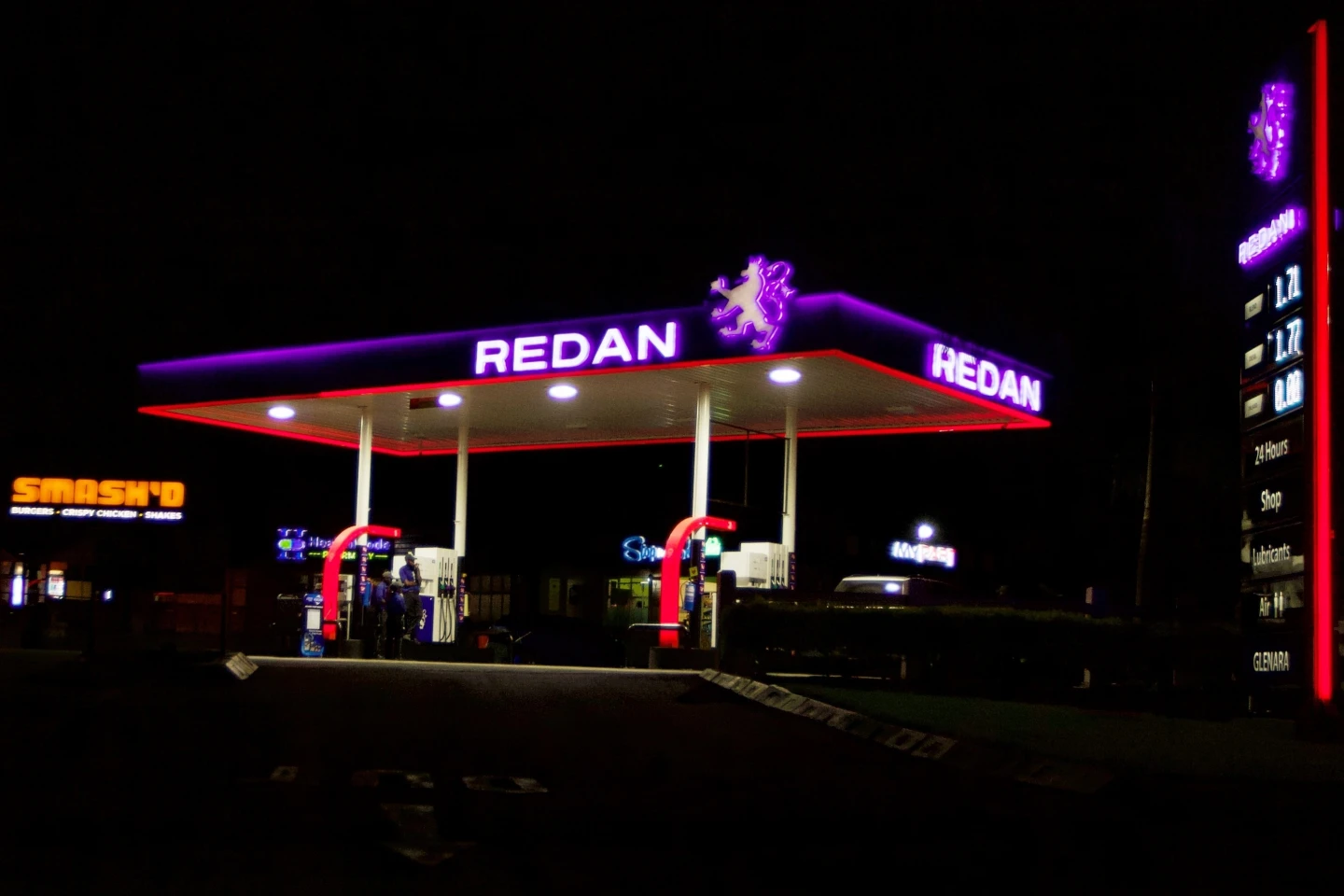
Lagos taxi driver Adegbola Isaac went to the gas station twice last weekend. Each time, the price had climbed further, hitting 1,350 naira ($0.99) per liter—a nearly 35% increase since the start of the Iran war. The spike has wiped out most of his daily profit.
“It is hitting hard,” Isaac said.
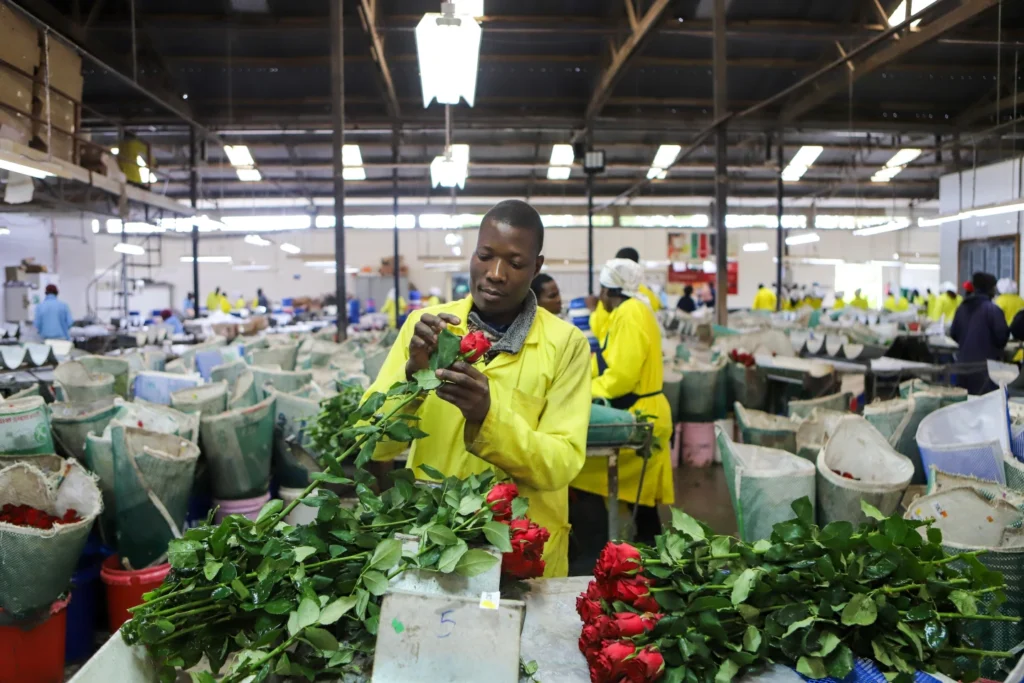
Like countless others across Africa, Isaac is among millions reeling from the economic fallout of a faraway conflict.
The war began Feb. 28 with joint U.S.-Israeli strikes on Iran, and the resulting closure of much of the Strait of Hormuz has sent fuel prices soaring across the continent.
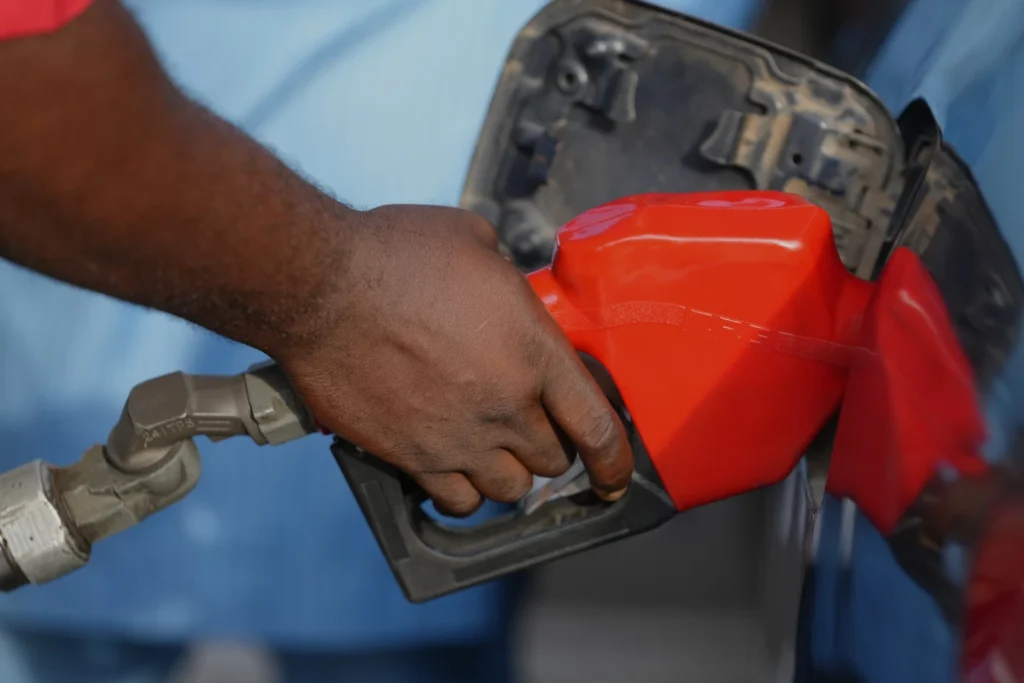
For many Africans, the price hike deepens hardships already faced by some of the world’s poorest households.
The latest shock is also not an isolated one. From the COVID-19 pandemic to the war in Ukraine and now the Middle East conflict, Africa—the world’s fastest-growing continent, with a population rivaling China and India—finds itself once again at the painful end of ripple effects it played no part in creating.
These include global scrambles for critical resources such as fuel and fertilizer, each disruption compounding the last.
By James Kisoo