The pull of home can be powerful—even when home is a place you can no longer remember.
For 18-year-old Ahmed, emerging from a mosque in Gaziantep in southeast Turkey, that pull is a daily reality. He wears a black T-shirt with “Syria” emblazoned across the front, not far from the border of the homeland his family fled when he was five. Now, he is determined to return within a year or two.
“I am impatient to get there,” he says. “I am trying to save money first, because wages in Syria are low.” Despite the challenges, he is convinced of a brighter future. “Syria will be rebuilt,” he insists, “and it will be like gold.”

If Ahmed returns, he will join more than half a million Syrians who have left Turkey since the ousting of long-time dictator Bashar al-Assad in December 2024. Many had lived in Turkey since 2011, when civil war engulfed their country.
In the following years, Turkey became a haven, hosting more Syrian refugees than any other nation—peaking at 3.5 million. That presence fuelled political tensions and, at times, xenophobic violence.
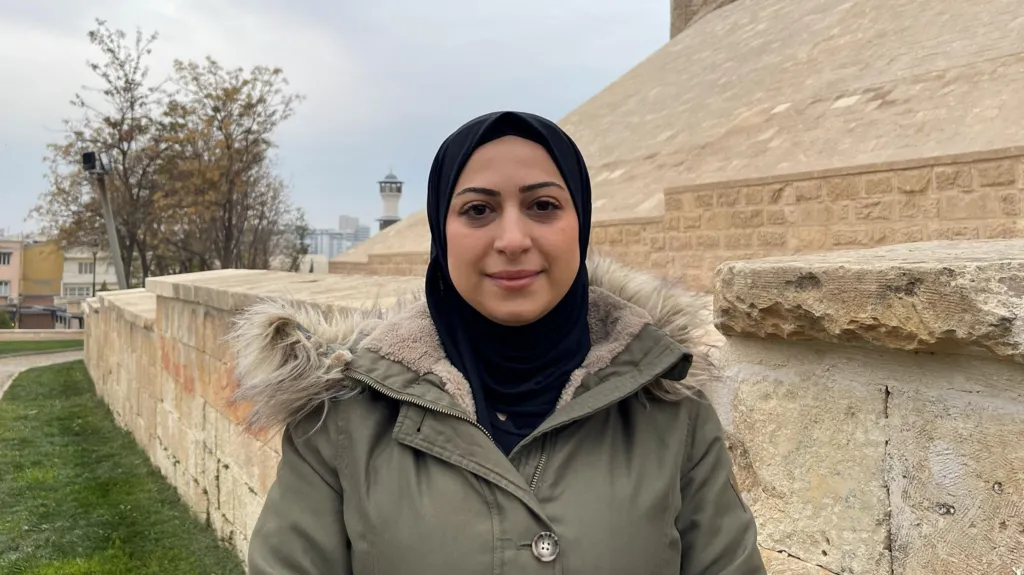
Officially, no Syrian will be forced to leave. Yet many feel subtly pressured by bureaucratic hurdles and a dwindling sense of welcome. “Civil society organisations are getting the message from the authorities that it’s time to go,” says a Syrian woman who asked to remain anonymous.
“I have many good Turkish friends,” she adds. “Even they and my neighbours have asked why I am still here. Of course, we will return—but in an organised way. If we all go back at once, it will be chaos.”
By James Kisoo