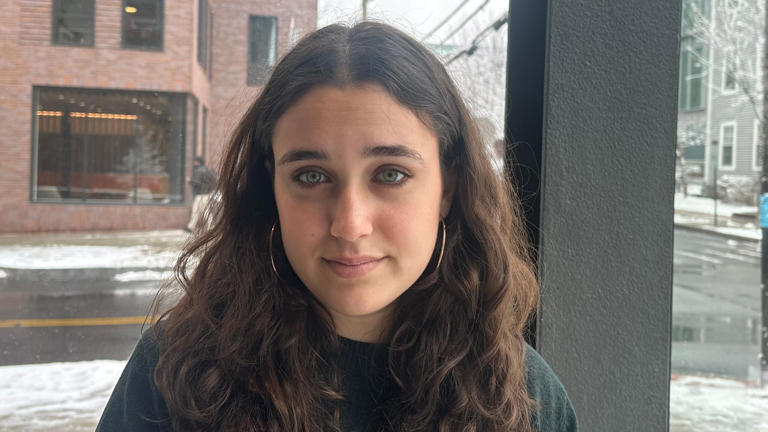
With the holiday break approaching, 21-year-old Mia Tretta was studying for finals in her Brown University dorm. Like every other student on campus, she was shaken when an active shooter alert flashed across her phone. But for Mia, the panic was a cruel echo of a past she had already survived.
Mia was shot in the 2019 mass shooting at Saugus High School in Santa Clarita, California. “Everyone always tells themselves, ‘It’ll never be me,'” she told the BBC. She once believed that, too. That day, a 16-year-old boy shot her in the stomach and four others; two of them died, including her best friend.
A junior at the time, Mia spent more than a week in the hospital. She still carries bullet fragments in her stomach and has endured multiple surgeries for nerve damage and a perforated eardrum.
Attending Brown University, on the other side of the country in Rhode Island, was meant to be a fresh start—a way to leave the trauma behind and feel safe again. She had told herself it couldn’t happen twice. Until it nearly did.
“Gun violence doesn’t care if you’ve already been shot before, and it doesn’t care what community you’re in,” she said. “It’s an epidemic that touches every single community.”
Now, amid a familiar mix of fear, confusion, and anger, Mia carries a firm conviction: Americans should not accept mass shootings as a fact of life. For survivors like her, the alert is not just a warning—it’s a reminder that safety remains a fragile, shattered promise.
By James Kisoo